Hanwha Power secured ABS approval for a 22,000-m3 LNG-ammonia bunkering concept with hybrid-electric propulsion.
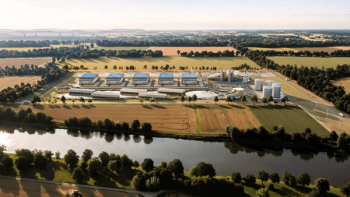
Riverview Energy Corporation has committed to carbon neutrality by 2050 as the company plans to open the first U.S. direct coal-hydrogenation refinery in Dale, Indiana, which will produce ultra-low-sulfur diesel.
With the direct coal-hydrogenation process, coal particles are processed via a carbon-free method that does not burn or gasify the coal. From there, the particles are hydrogenated in a closed system at high pressure and temperature.
To achieve carbon neutrality, Riverview Energy plans to use diverse electric-energy sources, such as renewable-generated electricity from regional providers, work with contract services that use carbon-free methods and sources, invest in carbon offset options, and to adopt emerging technologies that will take the operation from a gray-hydrogen process today to green-hydrogen over the next three decades.
“We have a very real opportunity to make our operations carbon neutral through a range of measures over the next 29 years,” said Riverview Energy Corporation President Greg Merle in a press release. “In fact, the carbon-based portion of our fuel-conversion process, in which we use high-sulfur coal in a noncombustible method, is already CO2 free. Our biggest target will be to focus on other pieces of the operation, and we have clear-cut paths to make that happen.”
The company plans to build more plants in the future using the hydrogenation process.
New global shipping regulations in effect this year are causing a surge in demand for ULSD. Riverview Energy’s product will help close the fuel gap created by these new regulations. Locally used Riverview products will reduce the need for imports, fulfilling the need for energy independence and allowing the shipping industry to meet its goal of reducing its global footprint.