

Auxiliaries & Components
Latest News
Advertisement
Latest Videos
Shorts
0:34
Fogging and Wet Compression Installations in Japan and Iraq
a year ago
by
James Cook
0:50
Why Carbon Capture Devours 20% of a Power Plant's Energy
a year ago
by
James Cook
0:42
100% Hydrogen Test Facility for Next-Gen Compressors
a year ago
by
James Cook
0:56
Canned Motor Pumps vs. Magnetically Coupled Pumps
a year ago
by
James Cook
0:41
Did You Know High Tip Speed is Key to Hydrogen Compression?
a year ago
by
James Cook
Podcasts




Advertisement
More News
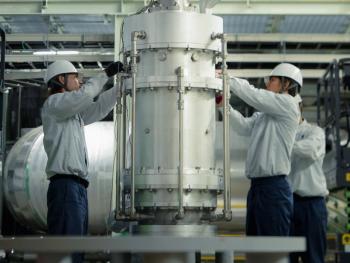
Ebara Elliott Energy enters liquid hydrogen aviation refueling, supplying a cryogenic pump for Chart Ferox’s GOLIAT trailer ahead of 2028 high-flow testing.
Sponsored
Thomas Baumann and Jesse Hernandez of RENK answer the questions turbomachinery operators are asking about keeping gearboxes running longer, and what most of them get wrong along the way.
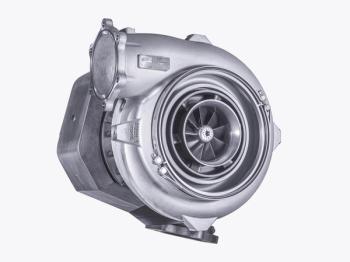
Accelleron's H1 2026 revenue rose 21% as data center prime power turbocharger deliveries doubled to 5 GW, prompting a raised full-year outlook.
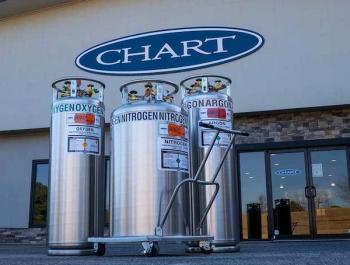
Baker Hughes completes its Chart Industries acquisition, forming a new industrial segment with expanded capabilities in LNG, hydrogen, and thermal management.
CDI Products
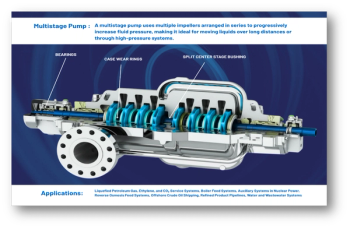
Advanced composite materials for wear rings, bushings, bearings, and shaft sleeves are helping pump operators reduce failure risk, maintain tighter clearances, and significantly extend pump reliability and mean time between repair.
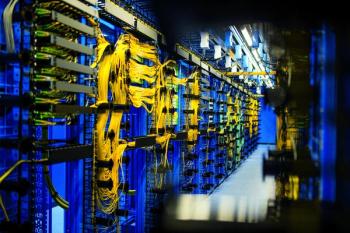
The artificial intelligence boom, defined by record OEM backlogs, a 66% surge in plant construction costs, a behind-the-meter revolution, and a decarbonization reckoning, is forcing every layer of the turbomachinery industry to adapt at a pace it has never seen before.
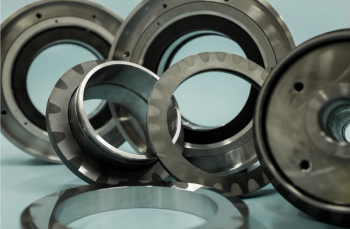
Large-diameter dry gas seals in LNG and other cryogenic turbocompressors demand extreme precision, advanced materials, and careful design to survive low-temperature operation.
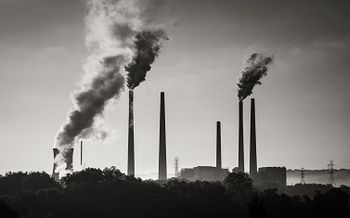
DOE coal funding targets coal plant modernization and coal recommissioning, driving steam turbine upgrades, turbomachinery work, and grid reliability amid AI data center power demand.
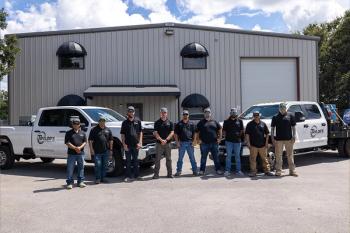
The acquired company allows Groome to deliver a comprehensive, turnkey specialty maintenance platform for customers operating critical natural gas infrastructure.
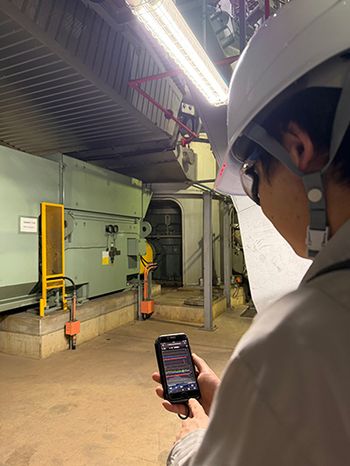
System users can evaluate operating conditions and efficiently consider improvements, contributing to stable power plant operation and operational advances at Kobelco Power.

Growing orders for Mk10.7 two-stroke engines reflect a market preference for dual-fuel readiness without locking vessels into a single decarbonization path.
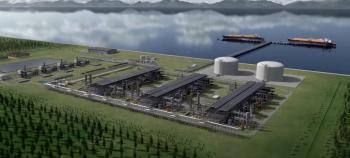
Following this agreement, Alaska LNG has now entered contracts with major North Slope producers: ConocoPhillips, ExxonMobil, Hilcorp Alaska, and Great Bear Pantheon.

The transformation demonstrates Capstone’s expansion into markets where power resiliency, thermal efficiency, and grid constraints are becoming increasingly important considerations.
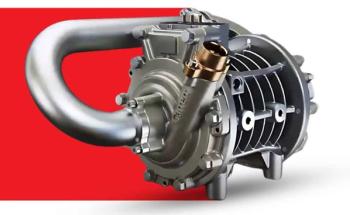
The collaboration focuses on oil-free innovations that help customers reduce energy consumption, improve process efficiency, and support sustainability goals.
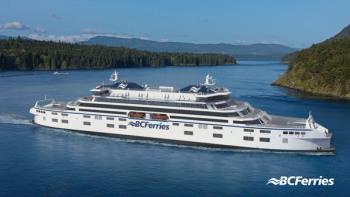
This project represents British Columbia Ferry Services’ largest-ever capital investment, with the ferries constructed for future sustainability and all-electric operation in mind.

The Upper Sileru pumped-storage project will play a role in supporting India’s energy transition by providing long-duration energy storage to balance intermittency on the national grid.
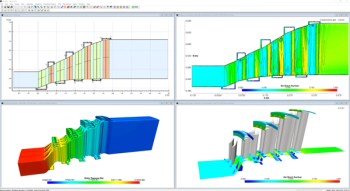
The latest release enhances computational fluid dynamics functionality for radial and axial machines, allowing users to solve secondary passages with various labyrinth seal designs.

Industry leaders converged as the 2026 event kicked off with a keynote address that put global energy investment, supply challenges, and the evolving offshore technology landscape in focus.
The newly authorized partner maintains deep technical expertise in centrifugal compressor technology, including installation, commissioning, troubleshooting, and much more.
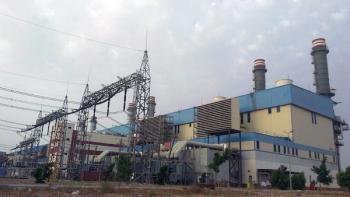
The modernization project aligns with Egypt’s efforts to improve its power generation infrastructure, strengthen energy security, and accelerate efficiency in electricity generation.
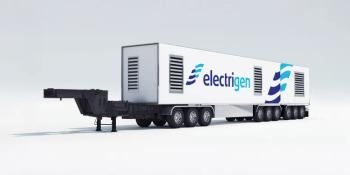
A front-end engineering and design study will be jointly conducted to further evaluate engineering, technical, and site parameters, with commercial operation scheduled for 2028.
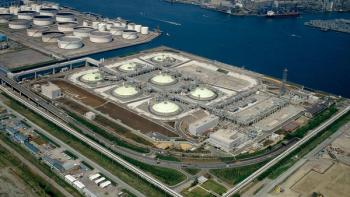
The project successfully achieved large-capacity storage while maintaining high quality and cost efficiency by leveraging a soil-covered raised roof and advanced seismic design.
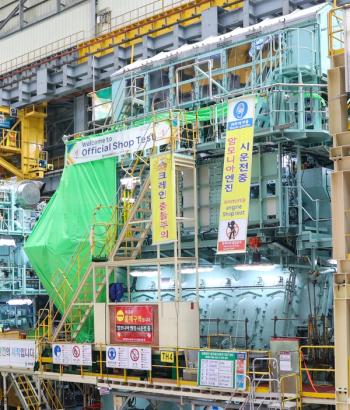
The factory acceptance test is a quality assurance process in which newly manufactured equipment is tested to verify performance against specifications before delivery and installation.
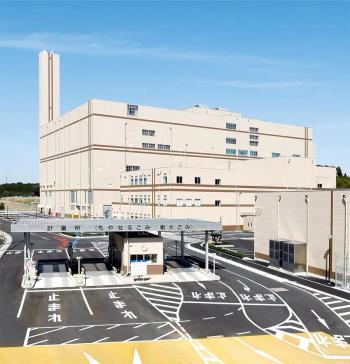
The modernization project raises power generation capacity to more than 10 MW while reducing annual CO2 emissions and improving operational stability and long-term performance.
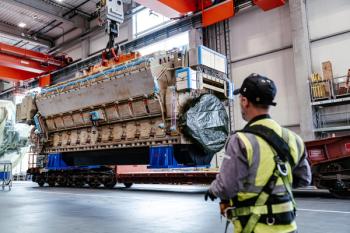
The company used a digital process to identify and track branded components throughout the entire supply chain, with prominently labeled components redesigned by engineering.
Advertisement
Advertisement
Trending on Turbomachinery Magazine
1
Venture Global Signs Power Frame Agreements With Baker Hughes, GE Vernova for Up to 16 Gas Power Islands
2
Everllence Lands First Commercial PARSYN Order for AM Green's Kakinada Ammonia Plant
3
What Gets Missed in Troubleshooting: How Small Issues Cascade
4