




When using gear units within turbomachinery trains, operators should consider wear and degradation, torsional problems, lubrication, and more.

When using gear units within turbomachinery trains, operators should consider wear and degradation, torsional problems, lubrication, and more.
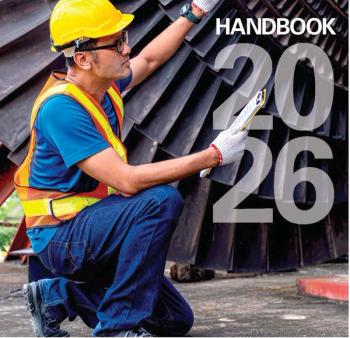
The 2026 Handbook includes a comprehensive outlook of the U.S. power industry and gas turbine market, as well as an industry-wide directory and specifications listings.
Thin-wall casings and shell bodies play a critical role in turbomachinery, but their susceptibility to imperfections and buckling raises leakage and failure risks.

The September/October 2025 issue covers steam turbine optimization, a pump-centric conversation with the Hydraulic Institute, hybrid grid technology for stabilization, and much more.

HAZOP reviews are a key process for identifying potential hazards and ensuring appropriate safety measures.

The July/August 2025 issue highlights our industry survey and key factors shaping the turbomachinery sector, including supply-chain challenges, labor shortages, and the rise of mobile and advanced technologies to meet power demand.
Vibration: How to deal with it and how to prevent operational problems and failures.

The May/June 2025 issue spotlights the gas turbine market, deep-diving into order activity, the impact of surging power demand, and how the industry is responding.
Renovating modern dry gas seals and their systems increases reliability.
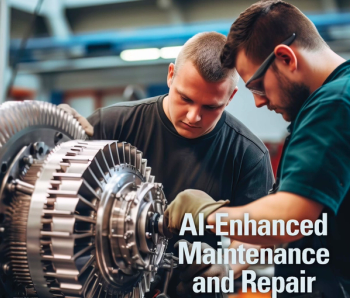
The March/April issue focuses on maintenance and repair and how data and AI are impacting the field and highlights our latest Turbo Tour.
Smart condition-monitoring strategies can mitigate unscheduled downtime by identifying faults before they occur, reinforcing continuous operation.

The January/February 2025 issue gives readers an update on software and controls under the lens of AI and ML, the digitalization of compressor maintenance, and more.
Simplifying, re-configuring, and eliminating certain components can increase a turbomachine’s reliability, efficiency, and safety and, in some cases, reduce costs.

The top 10 articles of 2024 include cover stories on the LNG industry and digital twins, Myth Busters and Turbo Tips columns, a gas turbine sales report, and much more.

The November/December 2024 issue highlights emerging decarbonization efforts that integrate hydrogen, ammonia, and new technologies into increasingly intermittent grids.
A compressor’s seal system is the culprit of most common unscheduled shutdowns.
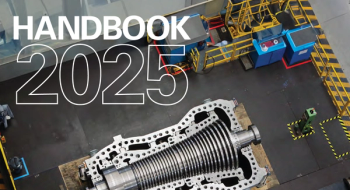
The 2025 Handbook includes a comprehensive outlook of the power industry and gas turbine market as well as an industry-wide directory and specifications listings.
Turbocompressors with side streams are operated with tight tolerances on operational parameters compared to conventional compressors.

The September/October 2024 issue highlights the dynamic shifts in the global LNG market that are affecting exports, production, capacity growth, and more.
A steam turbine’s control system should ensure stable operation throughout each phase: start-up, shutdown, and parallel operation.
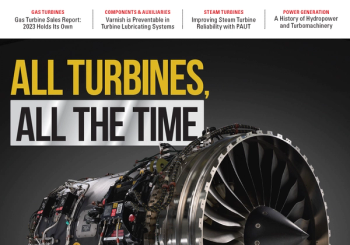
The July/August 2024 issue offers comprehensive coverage on industrial and aeroderivative gas turbines, steam, and hydro turbines.
After a failure or unscheduled shutdown, if the root cause is not found and eliminated, it can happen again.

The May/June 2024 issue features coverage of the growing carbon-capture industry, a tour of GE Vernova’s Facility in South Carolina, a Q&A on digital ecosystems with Emerson, and more.
Gas turbines, including the air compressor and combustion chamber, face challenges such as high temperatures and the need for blade-cooling systems.
Bolt connections can be the weakest link of a turbomachine, so proper care, sizing, tension, and placement are key to avoiding leaks and other operational problems.