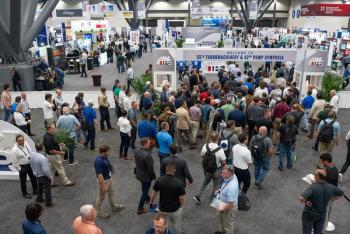
At the 2026 Turbomachinery and Pump Symposia, Engro Fertilizers’ Muhammad Uzair Javed explained how his team traced persistent high vibration to train misalignment, then moved a 100-ton turbine skid to cut vibration in half.
The Merom simple-cycle natural gas project in Indiana becomes one of the first large-scale power development deals to be built around secondary-market turbine procurement — a direct response to OEM delivery windows now stretching to 2030.
Hallador Energy Company has moved early to secure gas turbine capacity for its proposed Merom simple-cycle natural gas project in Sullivan County, Indiana, by purchasing unfired Siemens equipment from the secondary market and locking in OEM refurbishment support.
Under an Asset Purchase Agreement announced June 1, 2026, Hallador will acquire approximately 460 MW of Siemens gas turbines, generators, a steam turbine, and ancillary equipment from Energy World Corporation (ASX: EWC) for $350 million, or about $760/kW. When an estimated $100 million in transportation, refurbishment, insurance, and logistics is included, the total delivered equipment cost is expected to reach roughly $450 million—more than half of the project’s projected capital investment.¹
Unlike typical used-equipment deals, the turbines in this package have never been fired. That status materially reduces uncertainty around remaining service life, hot-section condition, and the scope of work required before commercial operation.
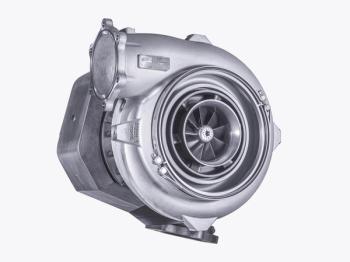
The acquired Siemens gas turbines and generators are configured for simple-cycle combustion turbine operation and are accompanied by a steam turbine and associated balance-of-plant hardware. Before installation at Merom, the equipment will be shipped to Siemens USA facilities for a factory refurbishment and restoration program.¹
This OEM-in-the-loop process is central to the project’s risk profile. By routing unfired units through Siemens’ reconditioning workflow, Hallador can:
Following refurbishment, the equipment will be transported to the Merom site, where Hallador is targeting first revenue between late 2028 and mid-2029. That schedule remains contingent on grid interconnection, permitting, financing, and a final investment decision, which the company expects to make after MISO completes its Expedited Resource Addition Study (ERAS) for the project, anticipated around September 2026.¹
Hallador’s move is a direct response to structural constraints in the global gas turbine supply chain. GE Vernova, Siemens Energy, and Mitsubishi Power—together supplying more than three-quarters of large gas turbines worldwide—are reporting order books that push new-unit availability to late 2028 at the earliest, with many slots already committed into the next decade.²
At the same time, capital costs for new turbines have nearly tripled in recent years as demand has outstripped manufacturing capacity, and multi-million-dollar, non-refundable reservation deposits have become standard for securing production slots.²
By purchasing existing, unfired OEM equipment, Hallador effectively sidesteps this queue. As Chairman and CEO Brent Bilsland noted in the company’s announcement: “We are not waiting for turbines to be built; this equipment already exists. We believe securing equipment at this stage meaningfully reduces development timing risk and strengthens our positioning as we advance through the MISO expedited interconnection process.”¹
At roughly $760/kW for unfired OEM hardware, Hallador characterizes the valuation as an attractive discount relative to new-build alternatives—especially when delivery timing is factored in.¹
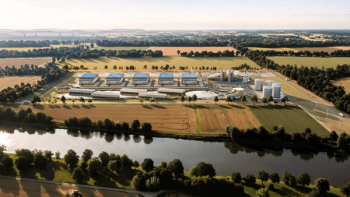
The new simple-cycle gas plant will be located at the site of Hallador’s existing Merom Generating Station, a former coal-fired facility that the company has been transitioning away from traditional thermal generation. Leveraging an existing brownfield site can reduce development risk and cost by taking advantage of established infrastructure, transmission access, and community familiarity with power operations.
The project is progressing through MISO’s ERAS interconnection pathway for Zone 6, a process designed to accelerate interconnection studies for projects that can demonstrate secured equipment. The turbine acquisition directly supports that requirement, giving Merom a clearer path through the queue.¹
Commercially, Hallador reports a contracted sales book exceeding $2.1 billion in 2026, anchored by a 12-year capacity agreement valued at more than $1 billion. As of March 31, 2026, the company reported no bank debt and access to a $120 million credit facility, positioning it to pursue project-level and structured financing while limiting equity dilution.¹
Hallador has opted for a simple-cycle configuration rather than a combined-cycle plant. While simple-cycle gas turbines operate at lower thermal efficiency, they offer:
In a market where combined-cycle lead times have stretched to five to seven years, the ability to bring simple-cycle capacity online sooner can be commercially decisive, particularly in regions facing tight reserve margins or rapid load growth from data centers and electrification.²
The Hallador–Energy World Corporation transaction is a prominent example of a trend that turbomachinery professionals should expect to see more frequently: using secondary-market OEM equipment—especially unfired or lightly operated units—as a proactive development strategy.
As long as primary-market lead times remain extended, the economics and schedule advantages of acquiring factory-grade equipment through alternative channels will remain compelling, provided developers can:
For OEM and independent service providers, the deal also points to a growing opportunity set. Siemens USA’s restoration scope for the Merom units represents a structured re-engagement with secondary-market hardware, potentially creating a repeatable model for:
If similar transactions scale, refurbishment and reconditioning of unfired or low-hours turbines could evolve into a distinct, high-value services category, complementing traditional new-unit sales and long-term maintenance contracts.