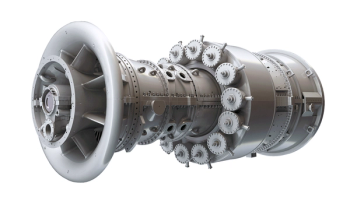
GE Vernova will supply a 9E gas turbine and related equipment for the 372 MW Songon combined-cycle plant near Abidjan, set for commercial operation in 2029.
GT36 reaches 80,000 EOH;
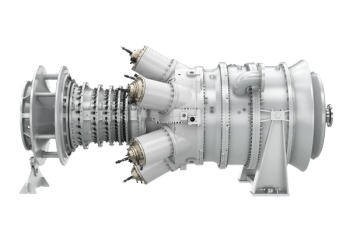
Ansaldo Energia's GT36 fleet has surpassed 80,000 equivalent operating hours (EOH), and the fleet leader at Edison's Marghera Levante power plant in Italy has completed its first B1 inspection, the Genoa-based OEM said July 23.¹
The GT36 is Ansaldo's flagship H-class machine. The first unit fired in November 2022 at Marghera, and additional units have since entered commercial operation across Europe and Asia.¹
The B1 is the first scheduled maintenance event in the GT36 lifecycle. Ansaldo describes it as a check on component performance and on the maintenance assumptions the platform was designed around, carried out under real operating conditions rather than test-cell conditions.¹
For a platform still building its service record, that first inspection carries weight well beyond the single unit. Findings from a fleet-leader teardown feed directly into inspection intervals, parts life estimates, and the pricing and risk assumptions inside long-term service agreements, the terms that shape total cost of ownership for every operator that follows.
At roughly three and a half years from first fire, 80,000 EOH is a young fleet by heavy-duty standards, which is typical for H-class machines still early in their deployment curve.
The Marghera Levante site remains the reference installation. Edison's 780-MW combined cycle there pairs a 515-MW GT36 with a 265-MW steam turbine and is rated at 63% net efficiency.³ Elsewhere, a
The GT36 inherits sequential combustion from the GT26 line. Two combustion stages run in series, and shifting fuel into the second stage recovers the derating incurred by the first.² Ansaldo credits that architecture for the engine's high turndown and its wide emission-compliant operating window,² and rates the machine to burn up to 70% hydrogen by volume.¹
Those characteristics map to what Ansaldo says utilities are asking for: fast load changes, low minimum environmental load operation, and the ability to hold a grid steady as renewable share climbs.¹ Across its heavy-duty portfolio, the company lists simple-cycle output from 78 MW to more than 560 MW, and combined-cycle output to more than 800 MW.²
Of the two milestones, the B1 result is the more consequential. EOH counts accumulate on their own once units are dispatched. The first scheduled inspection is where design assumptions meet hardware, and where an OEM either confirms its published intervals or revises them.
Ansaldo has not disclosed specific findings from the inspection.