
The two-frame platform for two-stroke marine engines is built around a cartridge design that lets operators exchange the rotating assembly during port calls.
Turbomachinery Blog features postings from experts in all areas of turbomachinery, such as: gas turbines, machine diagnostics, materials, repairs, and aftermarket parts, and encourages users to participate, with reader engagement and interaction as its primary purpose.
The two-frame platform for two-stroke marine engines is built around a cartridge design that lets operators exchange the rotating assembly during port calls.
The Denver startup plans factory-built supercritical carbon dioxide systems designed to recover gas turbine exhaust heat.
Hanwha Power secured ABS approval for a 22,000-m3 LNG-ammonia bunkering concept with hybrid-electric propulsion.
Ebara Elliott Energy expands its Houston center with in-house machining, welding, spin testing and multi-OEM turbomachinery services.

GE Aerospace is buying castings maker CPP for $11.75 billion, a week after SpaceX confirmed plans to cast its own gas turbine blades in-house.
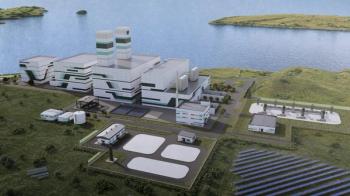
Doosan Enerbility signed a $480M turnkey EPC contract with KOSPO to replace two Hadong coal units with an LNG combined-cycle plant, its second major EPC win in a week.

GE Vernova signed new agreements with PDVSA and Corpoelec to restore Venezuela's thermal and hydroelectric generation capacity, building on a June framework.
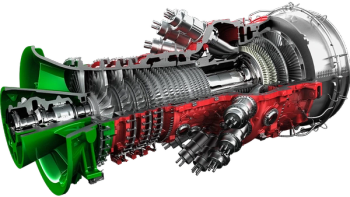
TÜV SÜD certified GT36's hydrogen readiness and DNV validated the AE94.3A on pure HVO, advancing Ansaldo Energia's fuel flexibility strategy.
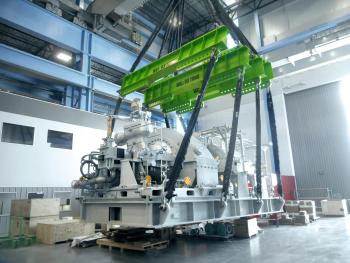
MHI Compressor International will supply turbomachinery for Shintech's new 625 KTA PEP-2 ethylene plant in Plaquemine, Louisiana, its second project with the company.
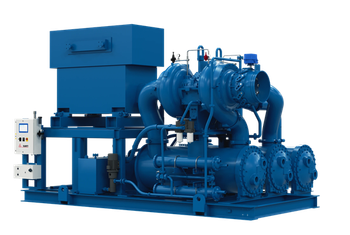
FS-Elliott's new Polaris P750 nearly doubles the flow capacity of its former flagship, targeting mining, chemical, and semiconductor customers with oil-free air.
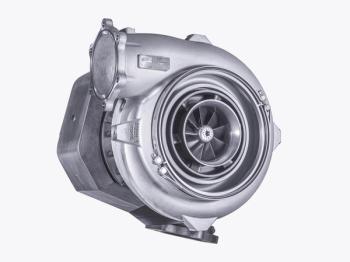
Accelleron's H1 2026 revenue rose 21% as data center prime power turbocharger deliveries doubled to 5 GW, prompting a raised full-year outlook.

Siemens Energy is working with Goldman Sachs on a majority stake sale of its steam turbine and compressor unit, a deal that could exceed €10 billion.
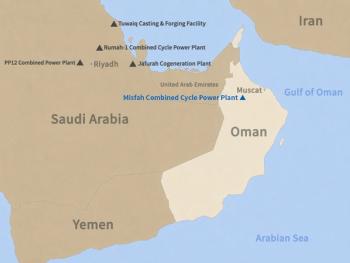
Doosan Enerbility signed a $683 million EPC contract to build Oman's 1,700 MW Misfah combined-cycle gas plant, its second major Omani award this year.
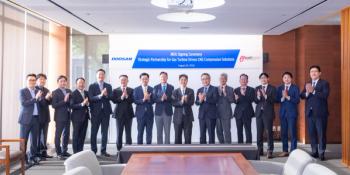
Ebara Elliott Energy and Doosan will integrate gas turbines and centrifugal compressors for LNG trains, targeting commercial readiness in 2028.
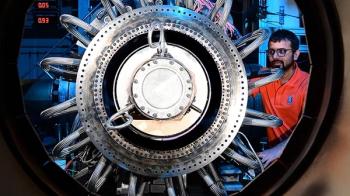
Rolls-Royce and Reliance Industries announced plans to jointly develop a sovereign combat engine for India's fifth-generation AMCA stealth fighter program.
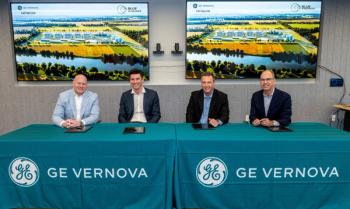
Texas hybrid plant pairs HA gas turbines with BWRX-300 SMRs, using modular builds to deliver fast baseload power for data centers.
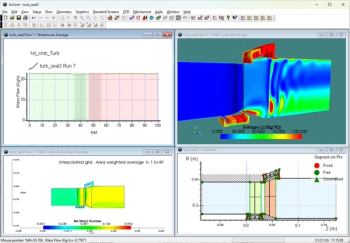
New AEDS tools integrate cooling
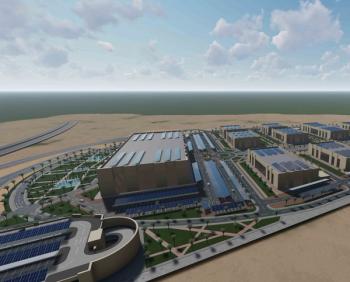
Baker Hughes joins Kuwait Oil Company’s innovation hub, launching an R&D center to deploy AI automation with particular emphasis on digital solutions, artificial intelligence-driven automation, and fit-for-purpose technologies.
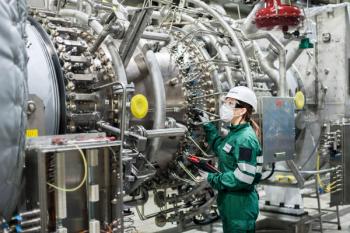
Dynamis Power Solutions has awarded Baker Hughes an order for 76 NovaLT16 gas turbines totaling approximately 1.3 GW to power its new DT17 hypermobile platform.
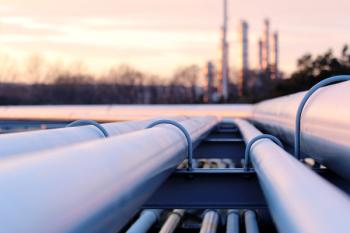
DOE offers up to $65.5M for cost-shared R&D boosting oil and gas infrastructure—new opportunities for compressors, pumps, and reliability tech.
Siemens Energy's Gas Services orders surged 62% to a record as the company joined GE Vernova and Baker Hughes in reporting a record turbomachinery quarter.
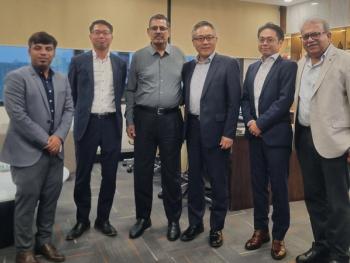
Ebara Elliott Energy wins major Middle East gas project deal, supplying nine high-pressure centrifugal compressor trains for L&T with phased delivery.
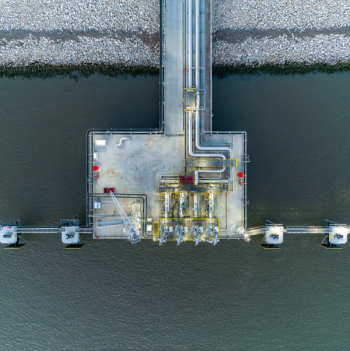
Baker Hughes wins CP2 LNG expansion order, delivering six SMR liquefaction blocks and compressors to scale U.S. Gulf Coast exports.
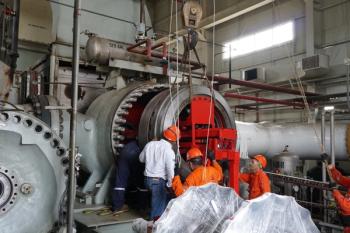
Sponsored Content
Flexware brings together remote performance monitoring, root cause engineering, precision manufacturing, and field services under one roof—giving operators a true end-to-end partner for the life of their rotating equipment.
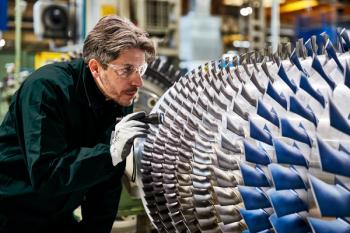
Record IET orders fuel Baker Hughes’ $37B backlog as LNG liquefaction and data-center power turbine demand accelerates, reshaping supply chains.
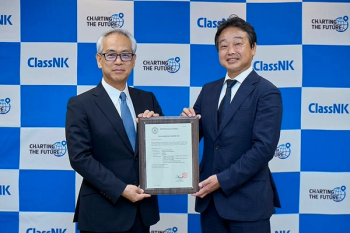
Ebara earns first marine type approval for liquid hydrogen cargo pumps, accelerating LH₂ shipping projects with certified, safer cryogenic equipment for next-generation carriers.
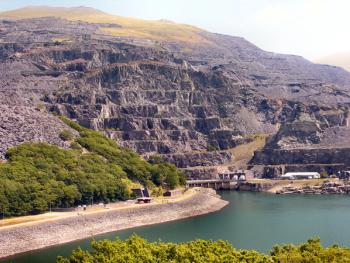
First Hydro Company selected GE Vernova to modernize two units at Dinorwig, Europe's largest pumped storage plant, extending its life by 25+ years.
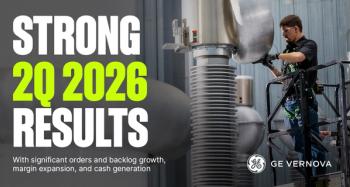
GE Vernova's Power segment orders jumped 134% in Q2 2026 as gas turbine backlog reached 116 GW; the company now targets 125 GW under contract by year-end.
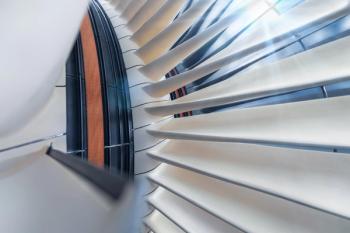
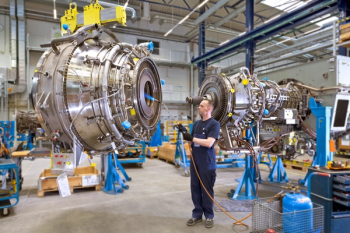
MTU Maintenance signed an exclusive five-year MRO contract with Petrobras covering 10 LM6000 industrial gas turbines and three hot sections in Brazil.
July 30th 2021
September 28th 2021
August 17th 2021
February 22nd 2023
August 24th 2021
September 14th 2021