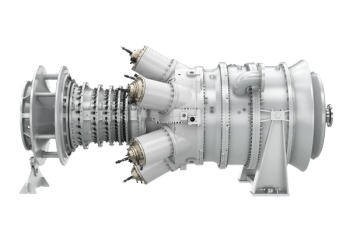
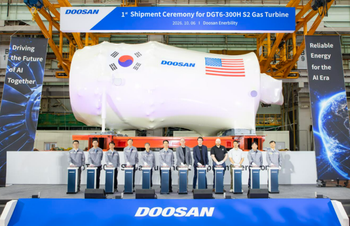
The DGT6-300H shipment is the Korean OEM's first gas turbine export to the U.S., where it says it holds 12 turbine contracts.
Variable speed fan control technology improves gas compressor thermal management by reducing overcooling, lowering energy consumption, minimizing downtime, and increasing operational efficiency in upstream and midstream applications.
Sponsored by Horton
Traditional fixed-speed cooling systems, sized for extreme heat, often lead to inefficiency, freeze-ups, and the loss of high-value hydrocarbons during typical operation. In this interview, Horton experts Cody Albertus and Mitch McCutcheon discuss how variable fan control addresses common industry challenges like overcooling in gas compression. By shifting to an active, process-driven cooling strategy using a gas thermal control clutch, operators can decouple process temperatures from ambient conditions. This technology not only reduces maintenance and scrubber dump events but also provides significant fuel savings and power recovery.