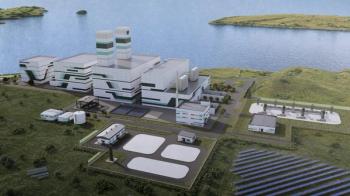

2025 orders hit a four-year high as gas turbine backlogs push data center developers toward a faster fix, but the rebound is landing just as one of the industry's largest OEMs explores selling the business behind it.
Siemens Energy has received an order for a steam turbine generator to be used in a waste-to-energy plant equipped with combined power and heat generation in Plymouth, England. Once commissioned in 2014, the power plant - with an electrical capacity of up to 25 megawatts (MW) - is designed to cover the heat demand of Plymouth's Naval Base, cost-effectively and with low CO2 emissions.
The waste-to-energy plant, being built adjacent to the Naval Base in Plymouth in south west England, is expected to use 245,000 metric tonnes of household, business, and industrial waste to generate electricity and heat by means of combined heat and power generation to ensure a reliable heat supply for Plymouth's Naval Base. Construction of the power plant, with an installed electrical capacity of 25 MW and a maximum process steam extraction of up to 30 tonnes per hour, is scheduled to begin in the spring of 2012.
Siemens is responsible for the delivery, installation, and commissioning of the SST-400 steam turbine, including gearboxes and oil system as well as the electrical generator and auxiliary systems. The steam generator installed in the plant produces steam that drives the turbine to ultimately produce electricity. The customer is Imtech Deutschland GmbH & Co. KG, a provider of technical building services equipment, based in Planegg near Munich. As the general contractor for the Water-Steam-Cycle, Imtech will construct the plant for the Mannheim-based EfW specialist MVV Umwelt.


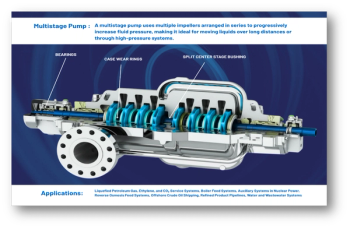
![[Howden Frankenthal TWIN turbine] | Image Credit: Howden](https://cdn.sanity.io/images/0vv8moc6/turbomag/5f5d831124199c4b7fe24bde4cfd27587653d3e7-1100x895.jpg?w=350&fit=crop&auto=format)