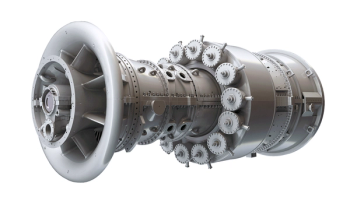

The behind-the-meter framework covers 720 MW units delivered from 2028 through 2034, mainly for LNG operations, with data centers as a possible add-on.
Doosan Enerbility signed a $480M turnkey EPC contract with KOSPO to replace two Hadong coal units with an LNG combined-cycle plant, its second major EPC win in a week.
Doosan Enerbility has signed a 665.8 billion won ($480 million) turnkey engineering, procurement and construction (EPC) contract with Korea Southern Power (KOSPO) to build a new LNG combined-cycle plant at the Hadong site in South Gyeongsang Province, South Korea, according to a Sept. 1 regulatory filing reported by the Seoul Economic Daily.¹ The new plant will replace Hadong coal-fired units No. 2 and No. 3, a combined 1,000 MW of aging capacity slated for retirement as part of the government's coal phase-out schedule, which runs from unit No. 1 this year through unit No. 6 in 2031.
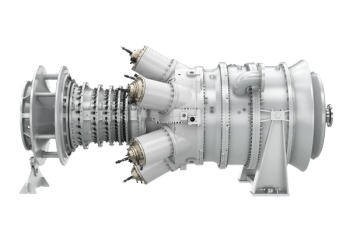
The signing follows KOSPO's selection of the Doosan Enerbility-led consortium as preferred bidder on Aug. 7, when the utility said bundling detailed design, equipment supply, installation and construction into one contract was meant to head off the delays and finger-pointing that can arise when those pieces are procured separately.² KOSPO had already secured the plant's gas turbines and transformers in a separate order back in January; the new EPC contract wraps the rest of the build around that existing equipment order rather than re-opening it. Construction is on track to break ground in January 2027, with commercial operation targeted for December 2029.
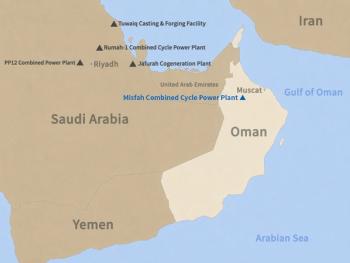
The Hadong award is Doosan Enerbility's second major EPC win in about a week, following its $683 million contract for the 1,700-MW Misfah combined-cycle plant in Oman.¹ Between the two, the company has now locked in full-scope design-to-construction work on both a major export project and a marquee domestic coal-to-gas conversion — a pairing that underscores how far Doosan has moved beyond selling turbines and steam generators as discrete equipment orders. Bundling EPC scope onto an equipment sale gives an OEM more control over schedule and interface risk on projects with hard completion dates, and more of the contract value besides.
For South Korea specifically, Hadong is also a test case for how the country retires its remaining coal fleet without stranding the local economies built around those plants: KOSPO has framed the project as a "just energy transition," built on the existing Hadong site to preserve jobs and tax base rather than closing the plant outright. With five more Hadong coal units scheduled to retire through 2031, how this first LNG replacement performs on cost and schedule will likely shape how the rest of that transition gets structured — and how much of it goes to Doosan.