
Keynote panelists discuss the latest innovations in gas turbine combustion systems, carbon capture, hydrogen, ammonia, and more.
Keynote panelists discuss the latest innovations in gas turbine combustion systems, carbon capture, hydrogen, ammonia, and more.
Megan Reusser of Burns & McDonnell said mechanical, thermal, electrochemical, and chemical LDES could help reduce the need for grid expansion, but each has its challenges.
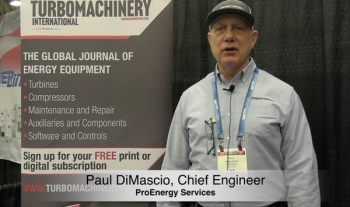
Paul DiMascio of ProEnergy discusses how direct ammonia injection systems simplify NOx and CO removal.
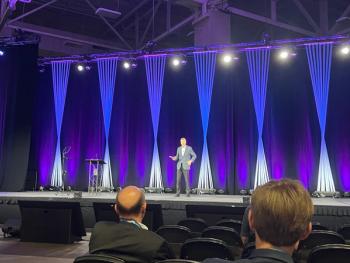
Keynote speakers focused on power consumption and how it will be managed and sustained in the future.
Jeffrey Benoit of PSM and Bobby Noble of EPRI talk about the battle for grid stability from intermittent renewables and how retrofitted gas turbines can enhance reliability.
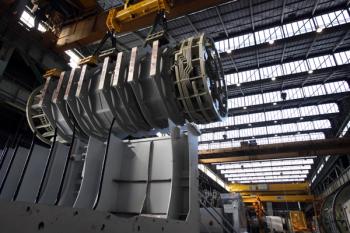
Ansaldo will design, supply, commission, maintain, and service its five 250-MVAR synchronous condensers.
POWERGEN International 2025 spotlights its reoccurring theme: Destination 2050.

In his opening keynote, Lorenzo Simonelli, CEO of Baker Hughes, echoed the theme of an “affordable, sustainable, and secure” energy landscape.
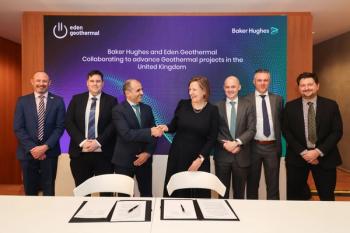
During its Annual Meeting, Baker Hughes signed agreements with Eden Geothermal, PETROVIETNAM, Microsoft, and NNPC/FIRST E&P.

At Baker Hughes Annual Meeting 2025, the company announced partnerships to support LNG, ammonia, and offshore greenfield developments.
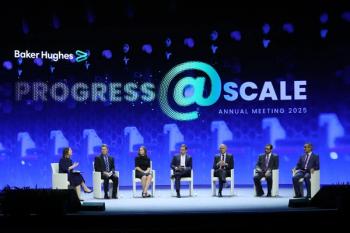
This year’s theme, Progress at Scale, explores how innovations can drive lasting change in the energy industry.
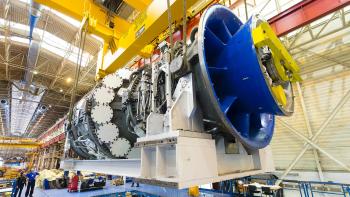
Xu Xin, President of GE Vernova Gas Power - China Services, said natural gas will help China replace coal with a scalable power supply.
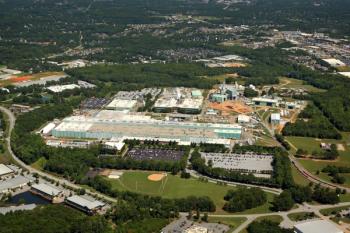
GE Vernova’s DLN combustor technology eliminates the use of water and other diluents and improves the combined-cycle heat rate by 4 - 7%.

Carlos Mousadi, Regional Commercial Leader at GE Vernova, shares how the company is supporting the Dominican Republic’s energy transition to renewables and natural gas.

Klaus Brun and Rainer Kurz discuss root-cause analysis—what it is, its methodologies, and why it’s so important to managing turbomachines.
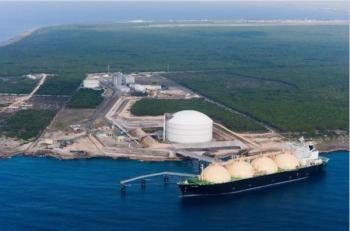
Generadora San Felipe's natural gas combined-cycle power station will feature GE Vernova’s gas and steam turbines coupled to generators, a condenser, and more.
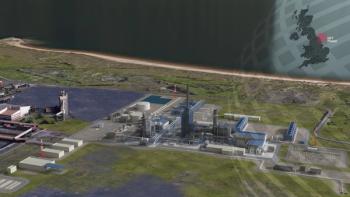
Jeremee Wetherby, GE Vernova’s Carbon Solutions Leader, said reintroducing part of the exhaust flow back into the gas turbine inlet reduces a carbon-capture plant’s cost and footprint.
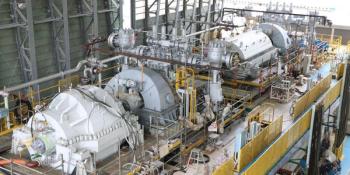
The Golden Triangle Polymers project will receive three main compressor packages for its ethane cracker operation, auxiliary equipment, three steam turbines, and four centrifugal compressors.
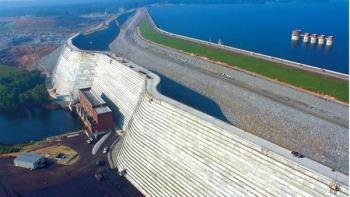
Dominion Energy is updating the South Carolina-based hydro plant to boost its longevity and performance and better maintain water quality.
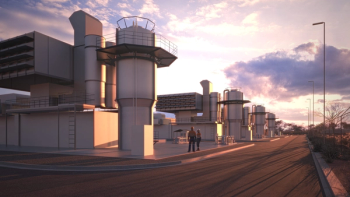
The LM6000 gas turbine units feature a newly designed fuel nozzle, optimized water injection schedules, advanced control modifications, and safety features.

In this episode of the TurboTime podcast, Myth Buster Klaus Brun and Rainer Kurz discuss ammonia.

Jeremee Wetherby, the Carbon Solutions Director at GE Vernova, offers deeper insights into the benefits of retrofitting carbon-capture systems with an exhaust gas recirculation system.
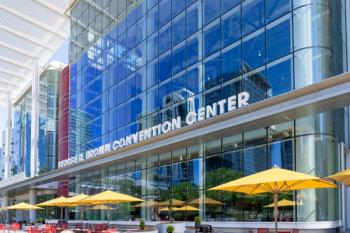
TPS 2024 tackled the latest challenges, solutions, and technologies in the turbomachinery industry.
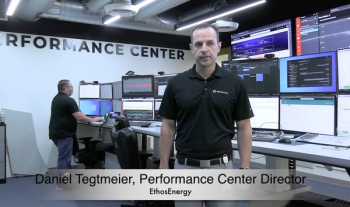
Daniel Tegtmeier of EthosEnergy shares how remote monitoring has grown over the past several years and the advantages and challenges of virtual capabilities.
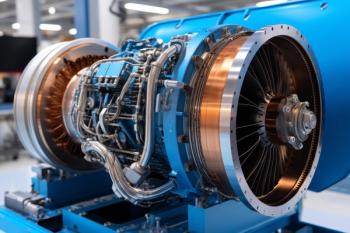
Tyler Clifford of Siemens Energy speaks on alternative fuels like methanol, gas turbines, 3D printing, and decarbonizing industrial markets.
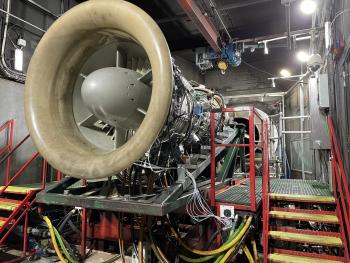
Methanol as an alternative fuel can cut CO2 emissions between 10 – 95% depending on how it’s produced.
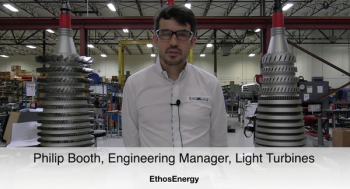
EthosEnergy’s Engineering Manager Philip Booth discusses available technology in reverse engineering for rotating equipment.
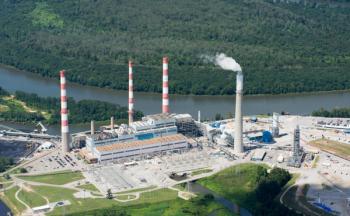
Integrating an exhaust gas recirculation system reduces the cost and footprint of a carbon-capture system and lowers operating costs.
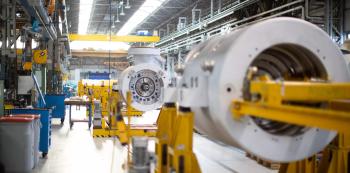
Baker Hughes won a contract to supply the deepwater development with its compressor technology to minimize emissions and eliminate routine flaring.

Baker Hughes and Repsol signed an agreement to develop AI capabilities to assist oil and gas operators with production and decarbonization.