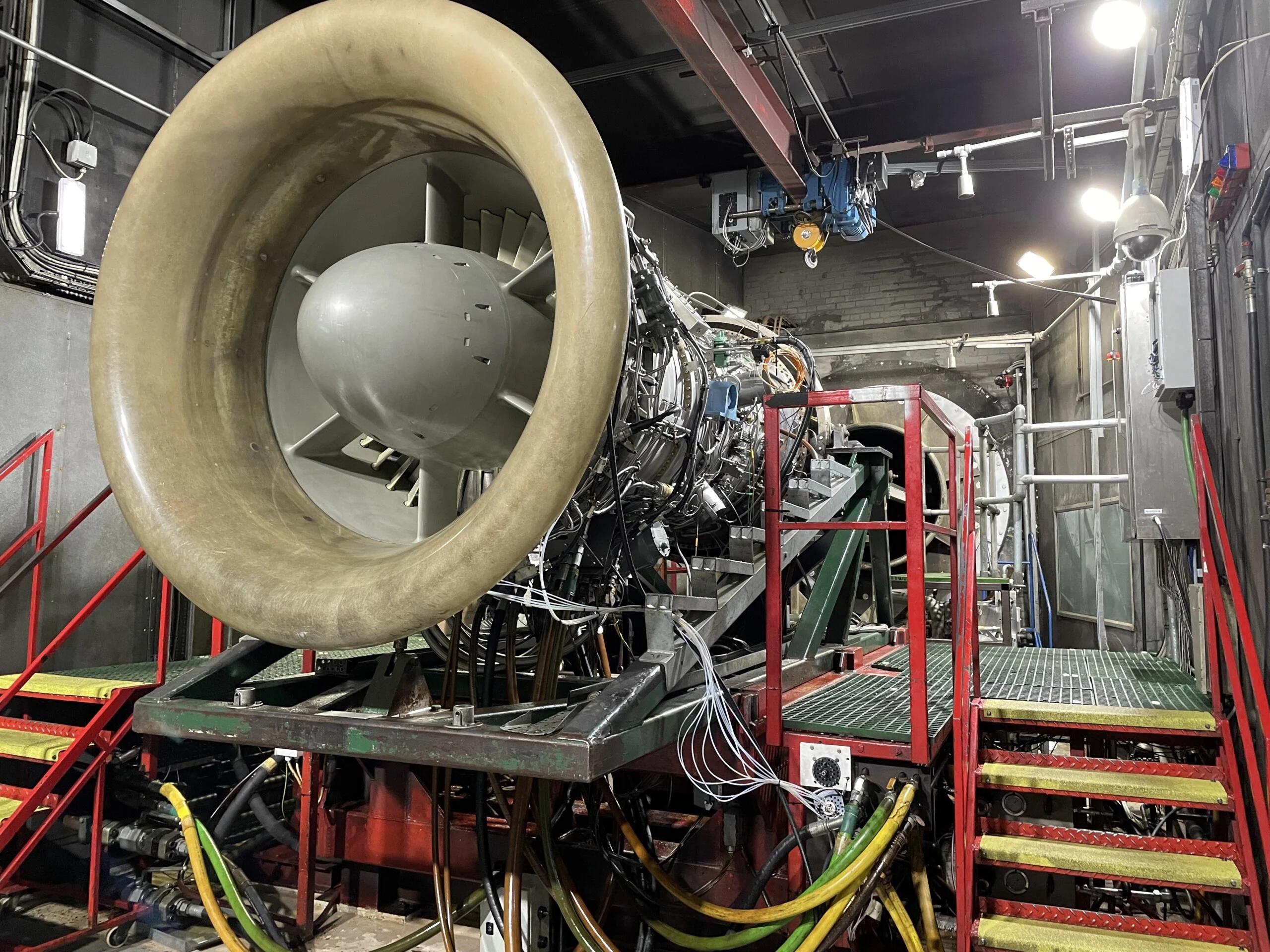

Upon completion, the 300-MW floating facility will produce up to 55,000 tons of green hydrogen and nearly 300,000 tons of green ammonia per year.
Upon completion, the 300-MW floating facility will produce up to 55,000 tons of green hydrogen and nearly 300,000 tons of green ammonia per year.
Koloma leverages its technology, proprietary data, and human capital advantages to discover and commercialize geologic hydrogen resources on a global scale.
EthosEnergy’s Engineering Manager Philip Booth discusses available technology in reverse engineering for rotating equipment.
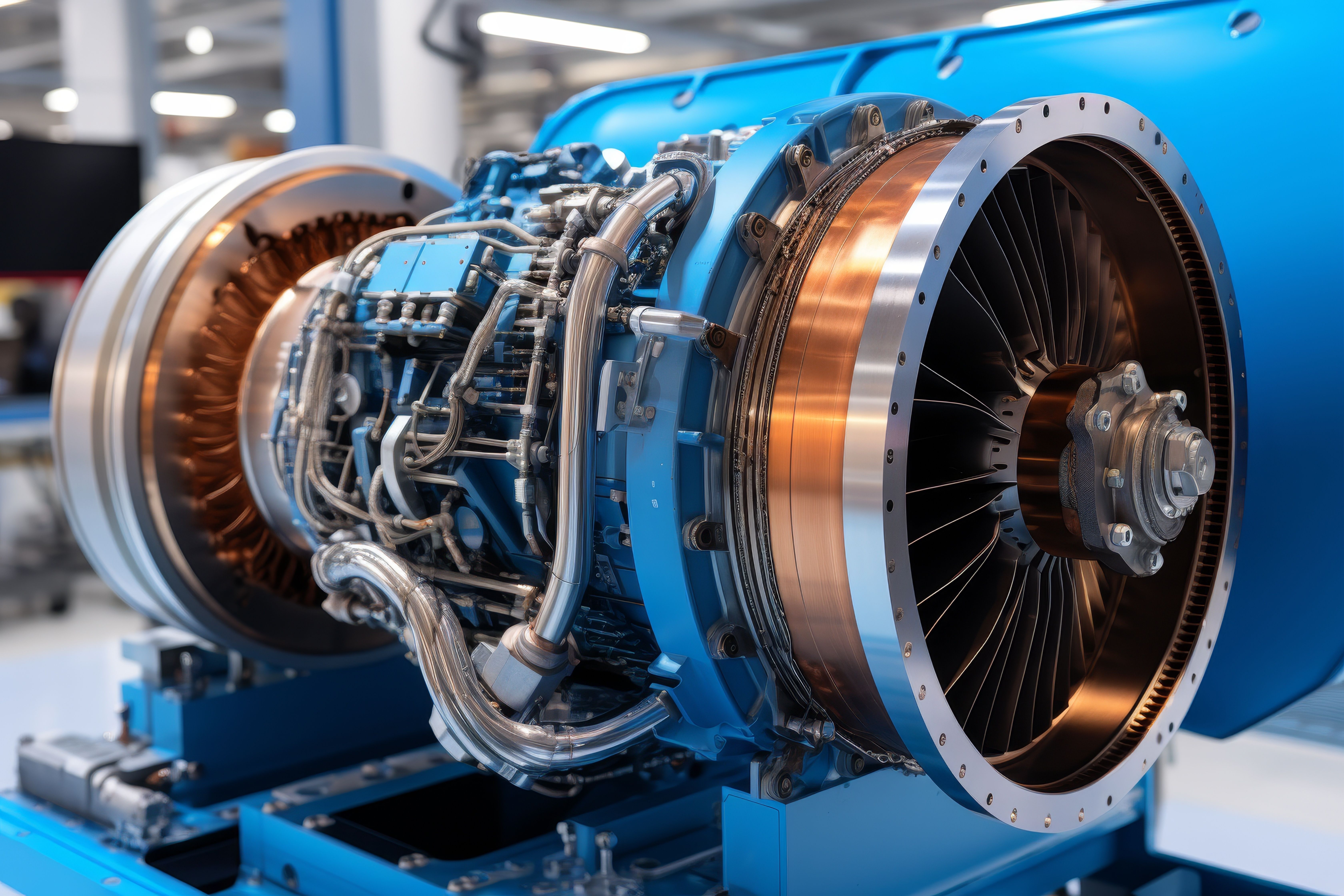
Integrating an exhaust gas recirculation system reduces the cost and footprint of a carbon-capture system and lowers operating costs.
With the largest CO2 pipeline network in the United States, ExxonMobil will leverage its infrastructure for the newly leased 271,000-acre offshore storage site.
Woodside Louisiana LNG, formerly the Driftwood LNG development opportunity, is an under-construction LNG production and export terminal with 27.6 MTPA permitted capacity.
On our Turbo Tour of EthosEnergy, Engineering Manager Philip Booth spoke about the repair, overhaul, and aftermarket markets.
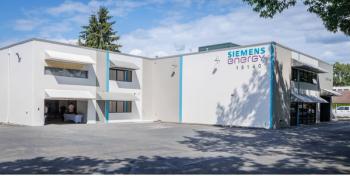
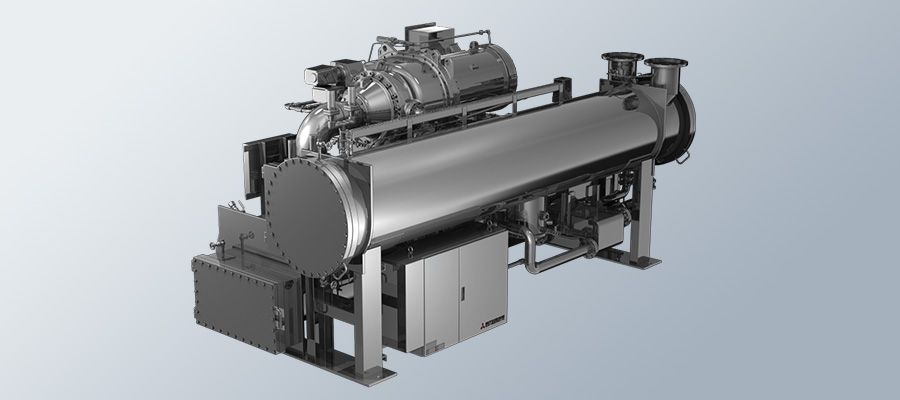
Siemens Energy is developing three technologies—an advanced rotor hydrogen compressor, a Turbo Heater, and a rotating olefins cracker—to drive the energy transition and reduce carbon emissions.
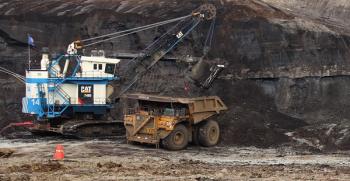
Operated and non-operated interests in the Athabasca Oil Sands Project (AOSP) and Duvernay shale will be sold to Canadian Natural Resources in a $6.5 billion all-cash transaction.

The United States and Brazil will collaborate on various clean-energy initiatives: bioenergy-to-hydrogen, clean energy for remote communities, carbon and methane management, and more.
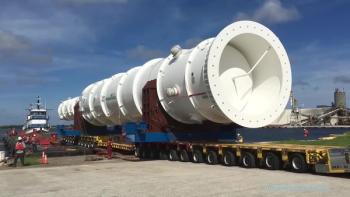
Related assets, manufacturing capability, and personnel have been transferred to Honeywell, including the coil-wound heat exchanger manufacturing facility in Port Manatee, FL.
In this episode of the TurboTime podcast, Daniel Tegtmeier, Director of EthosEnergy’s Performance Center, talks about remote operations and monitoring.
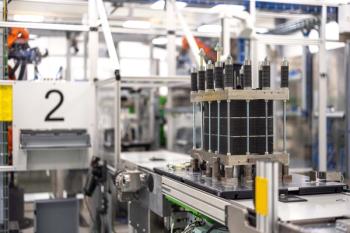
At full capacity, the new gigahub will enable the automated series production of PEM stacks with a potential total electrolysis capacity of more than 5 GW per year.
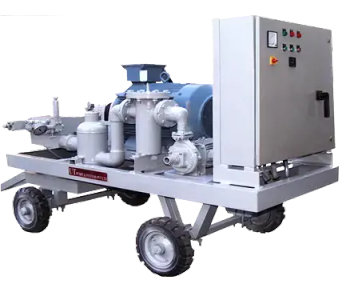
The company acquired APSCO, a hydraulic and pneumatic provider; Blutek, a compressed air and nitrogen generation solutions designer; and UT Pumps, a screw and plunger pump manufacturer.
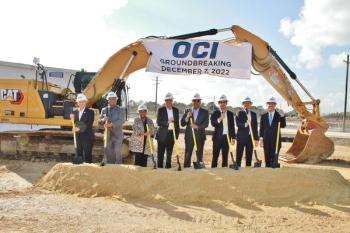
The completion follows Woodside’s agreement to acquire OCI Clean Ammonia’s 1.1 MTPA Clean Ammonia Project, which is currently under construction with production planned for 2025.
AI Wingmate provides GE Aerospace employees with an internal platform for instant information access, faster learning and discovery, and advanced support tools.
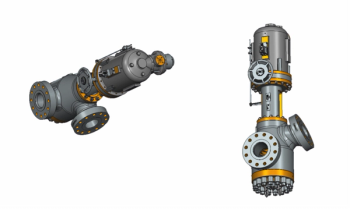
Modernization options for ammonia syngas trains can meet a wide range of plant requirements for uptime, efficiency, costs, and footprint.
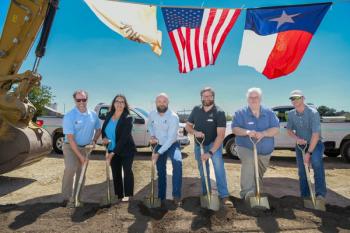
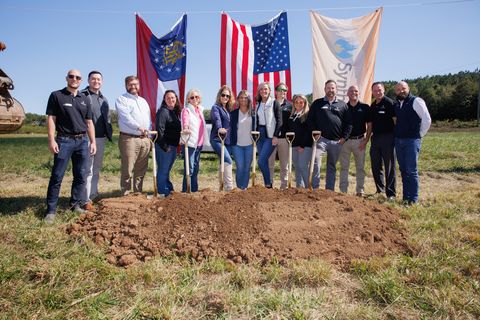
The anaerobic digester at Synthica San Antonio will transform waste into renewable energy while removing methane and CO2 from the atmosphere.
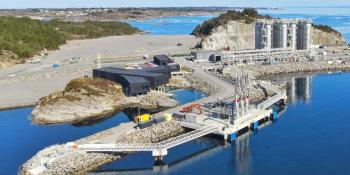
The first phase capacity of 1.5 million tons of CO2 per year is fully booked, and the joint venture owners are working to further increase the transport and storage capacity.
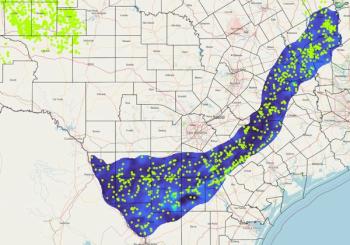
Marubeni will provide technical and financial assistance for Ozona to identify and acquire pore space, permit sequestration wells, and establish facilities and pipelines in Texas.
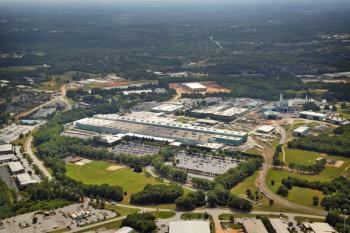
The AI Assistant—HySAGE—will enable modeling capability and flexibility for incorporating hydrogen codes, standards, and environmental scenarios.
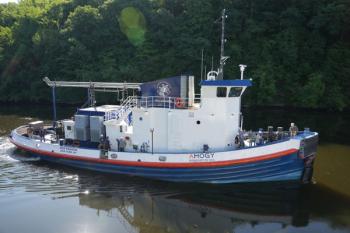
In addition to powering the NH3 Kraken tugboat with green ammonia, Amogy demonstrated this technology in an aerial drone, commercial farm tractor, and semi-truck.
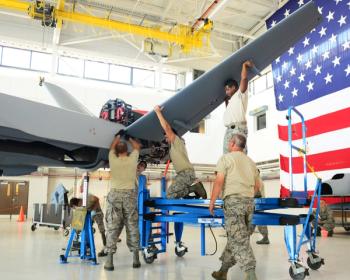
Unlike typical geothermal systems, geopressured geothermal systems (GGS) repurpose fracking technology to extract thermal energy from miles below the Earth’s surface.
Sponsored
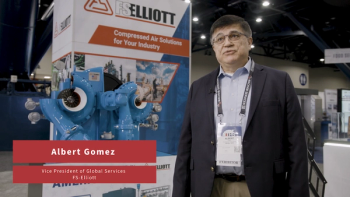
At Turbomachinery & Pump Symposia (TPS) 2024, Albert Gomez of FS-Elliott talks about the company’s scope of operations and Environmental, Social, and Corporate Governance (ESG) initiatives.
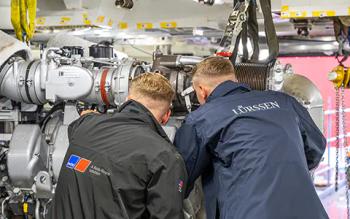
The agreement reorganizes the cooperation, accelerates processes, simplifies procedures, and defines common standards for yacht engines and propulsion systems overhauls.