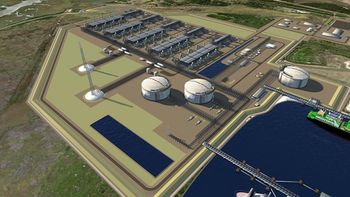
Driftwood LNG, a development opportunity near Lake Charles, LA, will comprise five LNG trains in four phases with a total permitted capacity of 27.6 mtpa.
Driftwood LNG, a development opportunity near Lake Charles, LA, will comprise five LNG trains in four phases with a total permitted capacity of 27.6 mtpa.
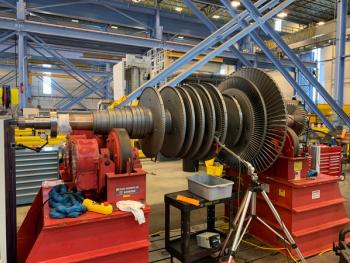
Implementing phased array ultrasonic testing (PAUT) in turbine inspection and maintenance marks an evolution from traditional maintenance to more advanced solutions that ensure efficiency and reliability.
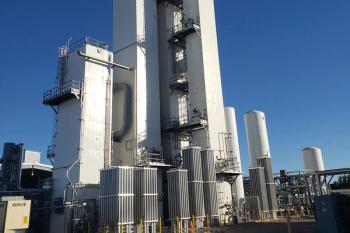
The facilities in Georgia and North Carolina will produce industrial gases, including liquid oxygen, liquid nitrogen, and liquid argon to supply growing regional markets.
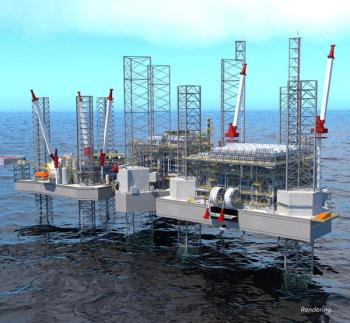
Fast LNG has a production capacity of 1.4 MTPA and will supply low-cost, clean LNG for New Fortress Energy’s downstream terminal customers.
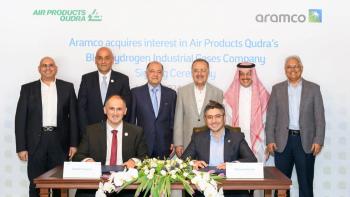
Air Products Qudra’s Blue Hydrogen Industrial Gases Co. (BHIG) generates low-carbon hydrogen while capturing and storing CO2 emissions.

ETN Global’s Scientific Officer, Giuseppe Tilocca, talks about the association’s recent report on decentralized energy systems—their advantages and challenges, trends, and where and how gas turbines fit in.
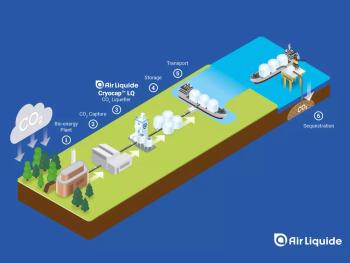
Cryocap LQ technology is compact and uses a chemical-free, non-flammable process, enabling heat recovery and reuse to supply the district heating network.
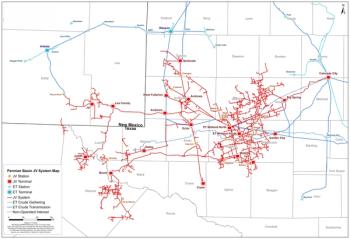
The Permian Basin joint venture will operate over 5,000 miles of crude oil and water gathering pipelines with crude oil storage capacity of more than 11 million barrels.
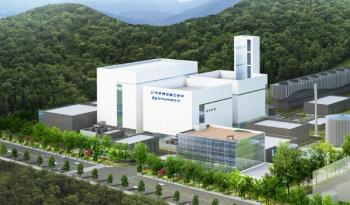
Combined-cycle power plants equipped with HA-class gas turbines produce approximately 50-60% less CO2 than similarly sized coal-fired plants.
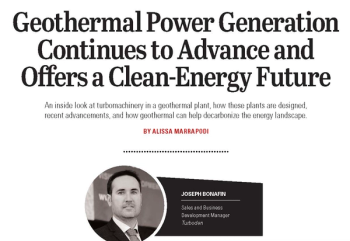
An inside look at turbomachinery in a geothermal plant, how these plants are designed, recent advancements, and how geothermal can help decarbonize the energy landscape.

The company’s water removal and carbon-capture system is suitable for mobile applications and can be retrofitted onto currently operating power plants.
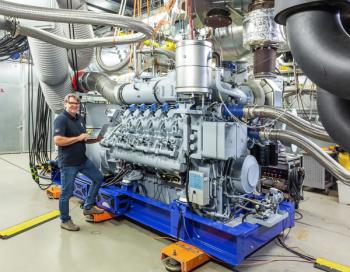
The first installation of 100% hydrogen-powered mtu 4000 FNER/FV engines is planned for early 2025 at two combined-heat-and-power (CHP) plants for the Enerport II lighthouse project.
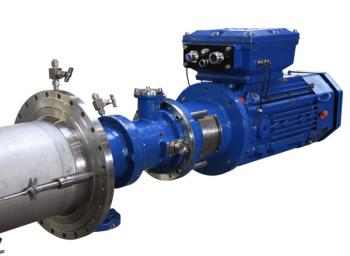
The ammonia-capable bulk carriers will be equipped with a dual-fueling mechanism comprised of a traditional diesel oil system and a clean-fuel system.

Klaus Brun and Rainer Kurz dial into energy storage and transport—why they are necessary, how turbomachinery fits into these processes, and more.
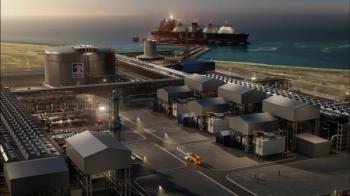
Upon completion, Ruwais LNG will consist of two 4.8 million tons per annum (mtpa) liquefaction trains for a total capacity of 9.6 mtpa.
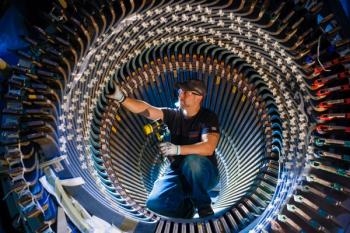
This funding follows last year’s $11 million investment in the New York facility to support new capacity, facility maintenance, and equipment and tool management.
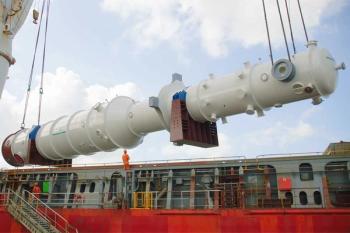
Air Products’ LNG process technology and equipment business is headquartered in Allentown, PA, with a coil-wound heat exchanger (CWHE) manufacturing facility in Port Manatee, FL.
Concepts NREC will leverage its computer-aided engineering (CAE) turbomachinery design software as the basis for integrated cooling and critical secondary flow development.
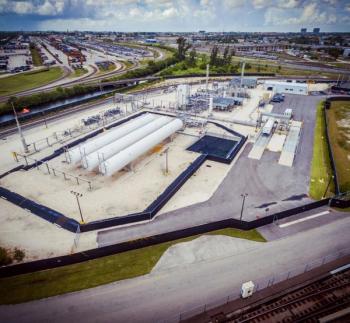
The Miami facility is equipped with one liquefaction train, three LNG storage tanks, and two separate LNG transfer areas to serve truck and rail.
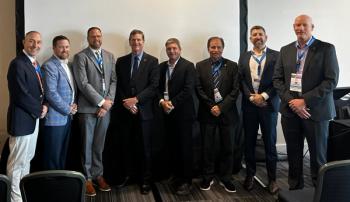
Top OEMs share progress made on new combustion systems for newly manufactured gas turbines and technology retrofits for existing fleets of gas turbines while the DOE shares updates on the regional hydrogen hubs.
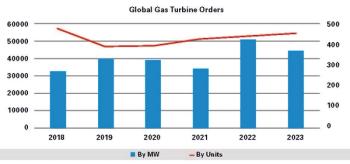
Unit orders and aeroderivative sales rose but total MW orders fell slightly.
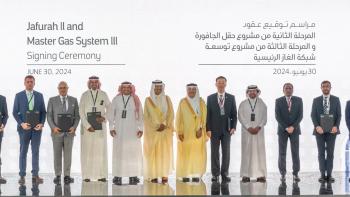
A major portion of the contracts, approximately $21.2 billion, is allocated toward phase-two development at Jafurah and phase-three expansion of the Master Gas System.
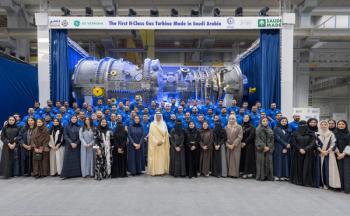
The hydrogen-ready gas turbine will be installed at the Jafurah Cogeneration Independent Steam and Power Plant (ISPP).
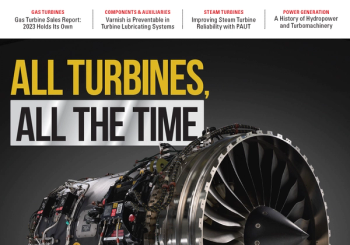
The July/August 2024 issue offers comprehensive coverage on industrial and aeroderivative gas turbines, steam, and hydro turbines.
Flexibility and turbine advancements were the focal point of Wednesday’s panel.