
A collection of thought leaders, turbomachinery experts, and government representatives gathered throughout 2024 at major conferences: POWERGEN, WTUI, Turbo Expo, and TPS.
A collection of thought leaders, turbomachinery experts, and government representatives gathered throughout 2024 at major conferences: POWERGEN, WTUI, Turbo Expo, and TPS.
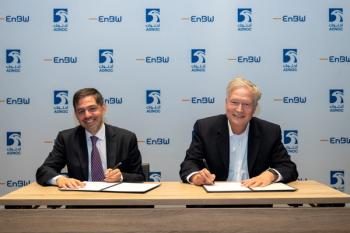
EnBW will receive 0.6 mtpa of LNG over 15 years, with deliveries starting in 2028 after Ruwais LNG enters commercial operation.
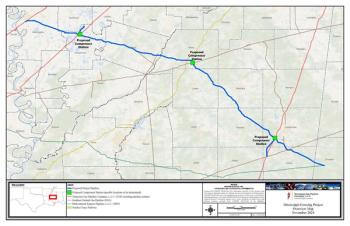
The project will transport up to 1.5 Bcf/d of natural gas from Greenville, MS to Butler, AL, using two compressor stations with access to third-party pipelines.
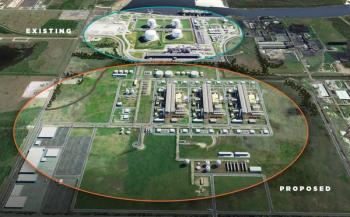
The Lake Charles LNG export facility will be constructed on a brownfield regasification site with four existing LNG storage tanks, two deep water berths, and other LNG infrastructure.
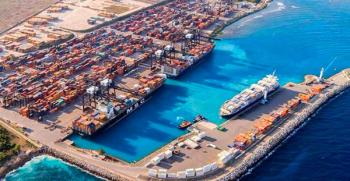
Carlos Mousadi, Regional Commercial Leader at GE Vernova, shares how the company is supporting the Dominican Republic’s energy transition to renewables and natural gas.
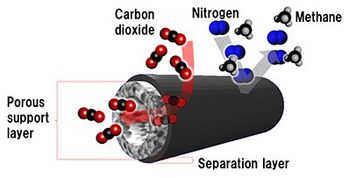
Toray will upscale prototypes and conduct demonstration tests with biogas, natural gas production development companies, and other partners to accelerate practical application.
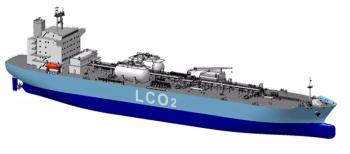
Under its updated designation, MILES will design and develop new commercial liquefied CO2 carriers and provide functional design for alternatively fueled ships.

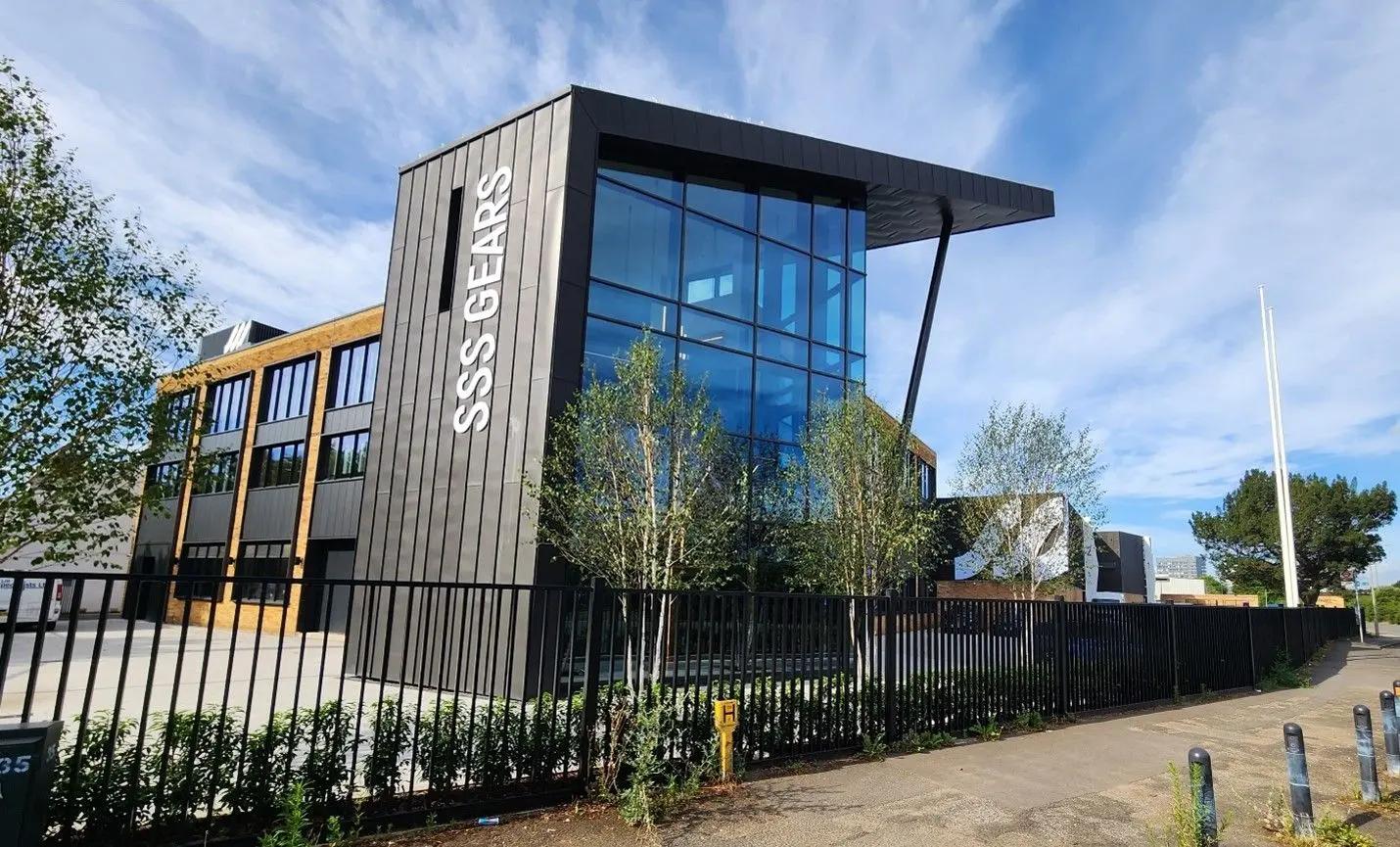
Following damage from Hurricane Ida, Ebara Elliott Energy reconstructed the collapsed east wall, installed a high bay roof, built a new exterior, and more.
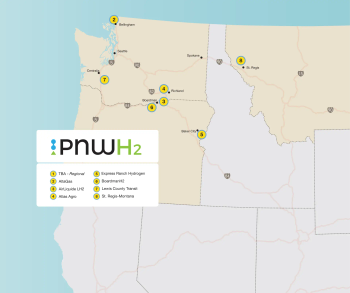
Node 6 will produce hydrogen via electrolysis and peak-power generation with 100% hydrogen-capable turbines.
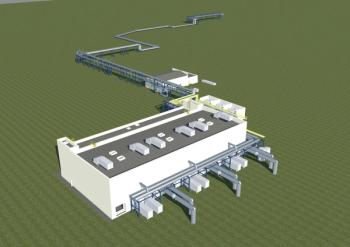
The heat-pump system uses Rhine water as its energy source and operates with a natural refrigerant in a closed-loop system.
The letter increases the planned data center’s capacity from 90 to 250 MW to support heightened electricity demand; New Era Helium will supply gas at a fixed price for five years.
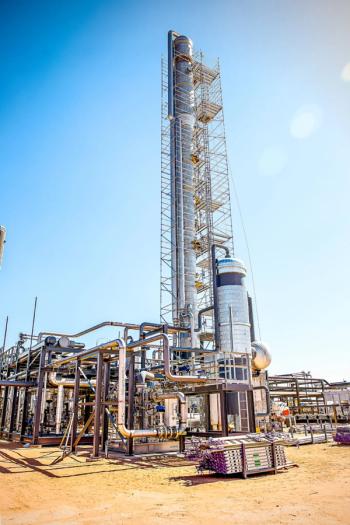
Acid gas injection wells and an amine unit enable sour natural gas treating, while the $285M acquisition supplements the company’s crude and produced water gathering.
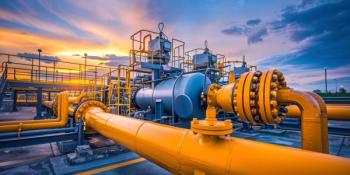
Advanced compressor technologies, AI and ML, and cooling technologies help reduce energy usage, carbon emissions, and at times, cost.
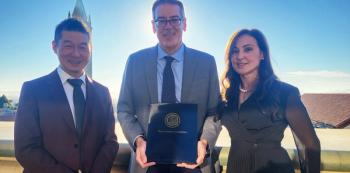
Baker Hughes will fund collaborative research to develop materials for carbon capture, utilization, and storage; hydrogen; and clean power generation, among others.
Production of variable-speed compressors—a key component in heat pumps—is expected to start in October 2027.
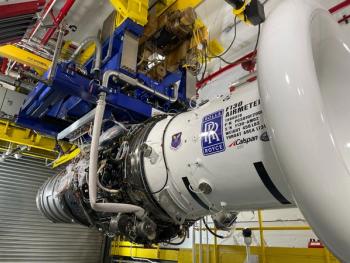
Following two years of design collaboration with the U.S. Air Force and Boeing, the F130 aircraft engine will soon enter production for the B-52J Stratofortress.
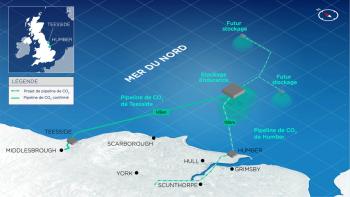
TechnipFMC will deliver and install an all-electric subsea system comprised of trees, manifolds, umbilicals, and infield flowlines to allow CO2 transport over long distances.
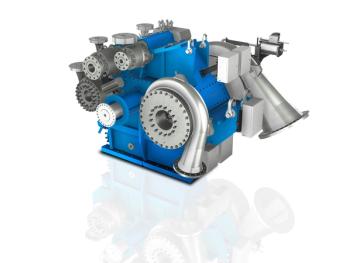
The supply scope for bp’s enhanced gas recovery and carbon-capture project includes three integrally geared CO2 compressors equipped with an electric motor and variable frequency drive starter.
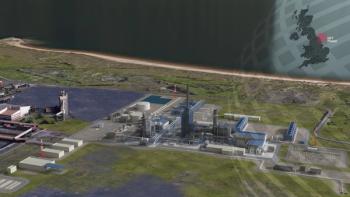
Jeremee Wetherby, GE Vernova’s Carbon Solutions Leader, said reintroducing part of the exhaust flow back into the gas turbine inlet reduces a carbon-capture plant’s cost and footprint.
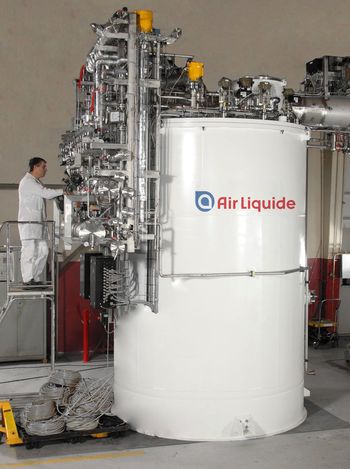
Air Liquide will build a hydrogen liquefier and retrofit a hydrogen production unit to use renewable ammonia as feedstock instead of natural gas.
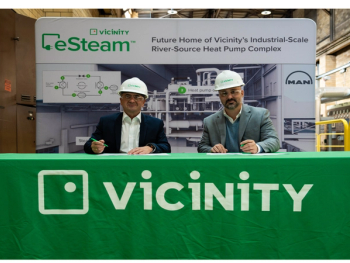
A 35-MW steam pump system at Vicinity’s Kendall Station will use thermal energy from the Charles River to produce high-pressure steam and lower fossil fuel emissions.
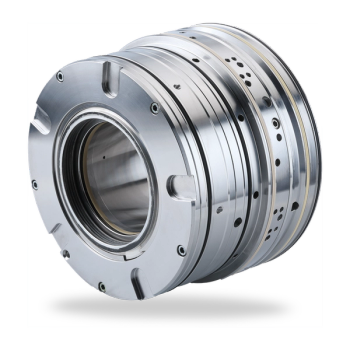
EthosEnergy will join its seal system design, project management, and compressor maintenance with EagleBurgmann’s industrial sealing technology to support customer needs.
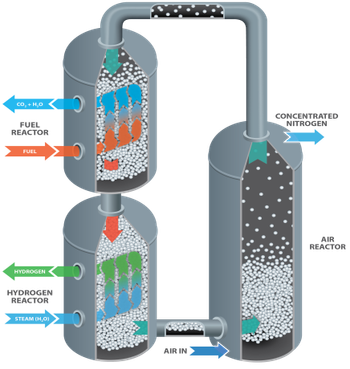
Babcock & Wilcox will use the funding to install chemical looping technology at a low-carbon hydrogen production facility powered by coal and biomass.
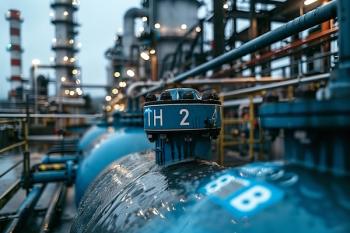
The future of hydrogen in power generation depends on the successful integration of technology, infrastructure, and regulatory measures.
The 138-Kv breaker and numerous capacitor banks will regulate voltage dips and swells to protect customer and company equipment during tests up to 100 MW.