


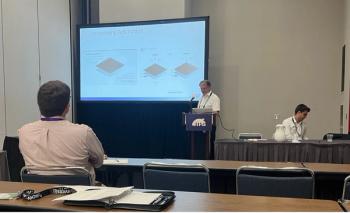
The industry recognizes two methods of decarbonization with gas turbines: low-carbon fuels and post-combustion carbon capture.
The industry recognizes two methods of decarbonization with gas turbines: low-carbon fuels and post-combustion carbon capture.
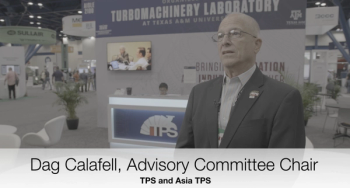
Dag Calafell of TPS talks plans for Asia TPS and the new wing of the Turbomachinery Lab at Texas A&M and its shift in focus from components to systems.
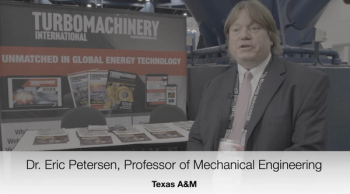
At TPS 2024, Dr. Eric Petersen shared what's new at the Turbomachinery Laboratory at Texas A&M, including combustion and propulsion.
At TPS 2024, Dag Calafell of TPS, shared turbomachinery trends and industry efforts toward decarbonization.
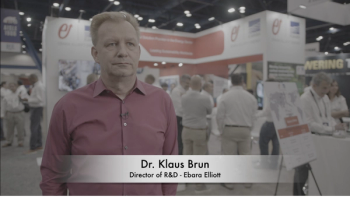
At TPS 2024, Klaus Brun of Ebara Elliott addresses the company’s rebranding, prominent industry challenges, and upcoming products for sustainability and green energy.
Dr. Eric Petersen of Texas A&M shares what the hot sessions and topics are at TPS 2024.
At TPS 2024, Tim Allison, Ph.D., from the Southwest Research Institute (SWRI) shares what’s happening at SWRI.
Tim Allison, Ph.D., Director of the Machinery Department at Southwest Research Institute, shares what he's most excited about at TPS 2024 and provides insights into turbomachinery trends.

The theme of this year’s welcome address is you must engage with AI or you will be left behind.

Lukas Biyikli of Siemens Energy discusses carbon capture, including the role of gas turbines, removing CO2 from flue gas, and boosting CO2 concentration in exhaust gas.

Texas A&M’s TPS 2024 hosts a full house of rotating equipment engineers and technicians from more than 50 countries.
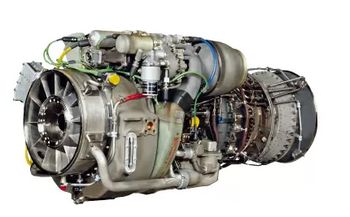
The Polish Ministry of National Defense will obtain a full engine depot and engine training capabilities, ensuring supply security for platforms using T700/CT7 engines.
Federal investment allows manufacturers to produce additional residential heat pumps, residential heat pump water heaters, school heat pumps, and heat pump compressors.
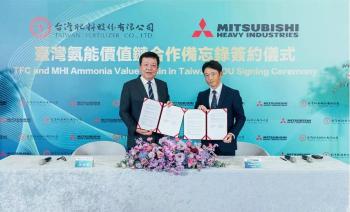
To support the 2050 carbon-neutrality plan, Taiwan Fertilizer Co. (TFC) will use blue and green ammonia as fuel in Taiwan.
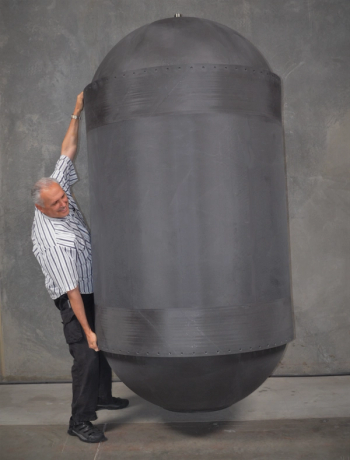
The composite tubing can reduce the chill-down time, hydrogen boil-off, and the dry mass of cryogenic fluid transfer lines.
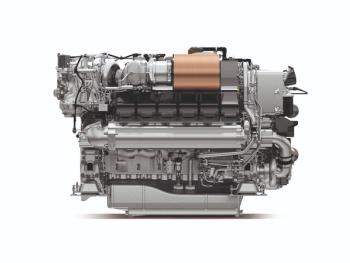
The two companies are expanding their joint venture, MTU Yuchai Power, which manufactures gas engines for emergency power supply across Asia, to include oil and gas.
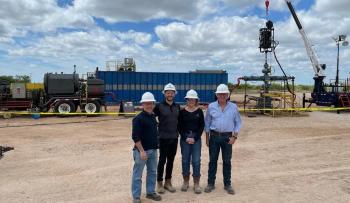
The geopressured geothermal system (GGS) facility will store energy for 6-to-10-hour durations with a round-trip efficiency (RTE) of 70-75% and water losses less than 2%.

The King Abdullah University of Science and Technology (KAUST) will conduct sustainability research, which includes hydrogen, carbon capture and storage, renewables, and more.

The Anchor floating production unit (FPU) is an all-electric facility with electric motors and electronic controls to reduce carbon emissions.
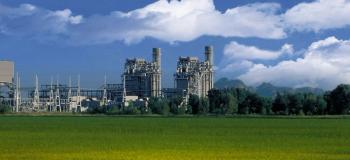
The Sutter Decarbonization Project utilizes carbon-capture technology with high-capture efficiency, solvent stability, low emissions, and low energy use.
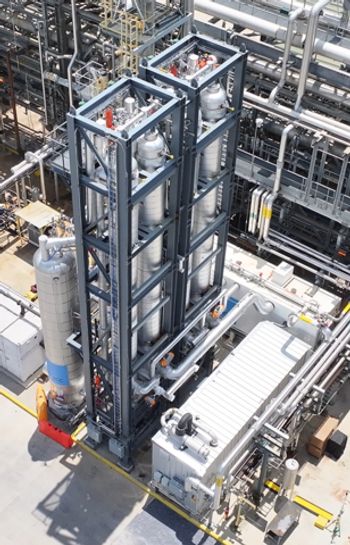
During testing at the National Carbon Capture Center (NCCC), FrostCC successfully captured CO2 and co-pollutants from flue gas.
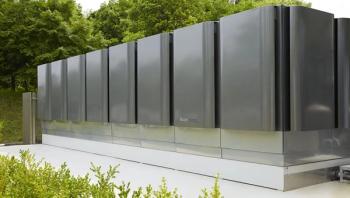
The carbon-free, solid-oxide hydrogen fuel cell produces electricity through direct electrochemical conversion, emitting less environmental pollutants than combustion technology.
NextDecade is targeting a positive final investment decision for Train 4 in late 2024, subject to further commercial support and financing to build Train 4 and related infrastructure.
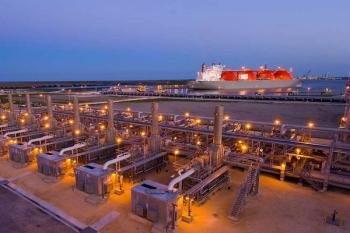
The LNG deliveries are subject to a positive final investment decision (FID) for the second train at Cheniere’s Sabine Pass Liquefaction Expansion Project.
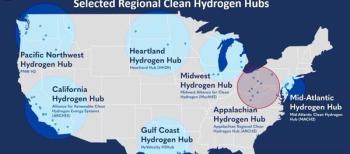
The Appalachian Regional Clean Hydrogen Hub (ARCH2) will produce hydrogen to decarbonize hard-to-abate industries, such as manufacturing and transportation.