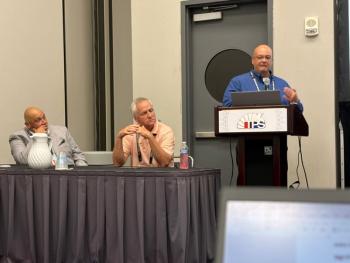
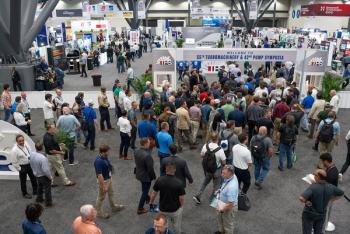
At the 2026 Turbomachinery and Pump Symposia, Engro Fertilizers’ Muhammad Uzair Javed explained how his team traced persistent high vibration to train misalignment, then moved a 100-ton turbine skid to cut vibration in half.
EnergyLink International's acquisition of DC Power expands its installation and retrofit capabilities, signaling continued consolidation across the energy...
EnergyLink International has announced the acquisition of DC Power, a move the company says will strengthen its installation and retrofit capabilities, expand its market presence, and position both organizations for future growth.¹
The deal signals continued consolidation within the energy equipment and services sector, a trend that has become increasingly prevalent as companies seek to vertically integrate service offerings and respond to growing demand for complex rotating equipment installations and system retrofits. While specific financial terms of the transaction were not disclosed in the announcement, EnergyLink characterized the acquisition as strategic in nature, with implications spanning operational capacity, geographic reach, and long-term scalability.¹
For professionals working in turbomachinery, power generation, and rotating equipment, acquisitions of this type often translate to meaningful shifts in how installation, commissioning, and retrofit services are sourced and delivered — particularly as aging infrastructure across power plants and industrial facilities drives an uptick in retrofit and upgrade projects.
According to EnergyLink International, one of the primary drivers behind the acquisition is the enhancement of installation and retrofit capabilities.¹ In the turbomachinery and rotating equipment space, retrofit projects — which can include replacing aging compressor trains, upgrading gas turbine control systems, or modernizing drive systems — demand highly specialized field service expertise and project execution experience.
The integration of DC Power's capabilities is positioned to address this need directly, broadening the combined entity's ability to take on complex, capital-intensive projects that require end-to-end service delivery. For OEMs, independent service providers, and plant operators evaluating service partners, a consolidated organization with deeper installation resources may offer advantages in project scheduling, single-source accountability, and technical depth.
The EnergyLink-DC Power transaction reflects a broader pattern of consolidation playing out across the energy services landscape. According to industry analysis from Deloitte, merger and acquisition activity in the energy sector has been shaped in recent years by the dual pressures of energy transition and the need to scale service capabilities rapidly — factors that make acquisitions an attractive alternative to organic growth alone.²
For rotating equipment professionals, this environment underscores the importance of monitoring shifts in the service provider landscape, as consolidation can affect vendor relationships, contract structures, and the competitive dynamics around specialty services such as alignment, balancing, condition monitoring, and field machining.
EnergyLink International indicated the acquisition is also intended to establish a platform for future growth for both companies.¹ In practice, this language typically signals intentions around geographic expansion, workforce scaling, or service line diversification — all factors that could influence procurement decisions and partnership opportunities for asset owners and operators in the months ahead.
As the energy sector continues to evolve, deals like this one are likely to become more common, reshaping which companies have the scale and capabilities to serve the increasingly complex demands of turbomachinery and power system operators worldwide.
Sources:
²