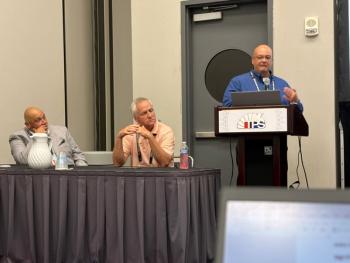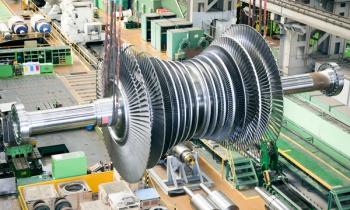

At the 2026 Turbomachinery and Pump Symposia, Engro Fertilizers’ Muhammad Uzair Javed explained how his team traced persistent high vibration to train misalignment, then moved a 100-ton turbine skid to cut vibration in half.
Optical gas imaging visualizes and quantifies emissions that are typically difficult to detect, allowing customers to protect process efficiency, environmental objectives, and employee safety.
John Crane recently executed a
The QOGI survey resulted in opportunities to reduce fugitive emissions, improve reliability, and strengthen operational efficiency upon implementing corrective maintenance actions. Based on the customer’s value for hydrocarbon solvent use, the quantified leaks represented an estimated annual material loss of over $194,000 if left unmitigated. The survey was completed at a fraction of the potential material savings, demonstrating strong ROI and the value of early detection and targeted maintenance.
“This project demonstrates how advanced diagnostics can support more reliable and sustainable food production processes,” said Philippe Lambert, Vice President of Commercial and Service, John Crane. “QOGI provides customers with clear visibility of loss mechanisms, allowing them to target repairs effectively and validate the impact of maintenance over time.”
The customer’s response has been highly positive and, following the initial survey, additional QOGI inspections have been completed at a second facility using similar equipment. Repeat surveys at both locations are scheduled for early 2026 to validate maintenance effectiveness and support sustained performance improvements. The survey’s success also piqued interest from colleagues in other regions, who are now exploring similar programs within their operations.
Optical gas imaging visualizes and quantifies emissions that are typically difficult to detect via traditional methods, allowing customers to protect process efficiency, support environmental objectives, and bolster employee safety. QOGI falls under John Crane’s Performance Plus modular service framework within the Asset Condition Management category, helping customers make informed, data-led maintenance decisions.
This successful survey underscores the growing relevance of QOGI within the food industry, where hydrocarbons and solvents play a key role in production processes. Used in a structured Managed Reliability approach, routine QOGI monitoring supports improved maintenance planning, operational resilience, and minimized risk.
In February 2026, John Crane was contracted to support a next-generation
Project management and engineering teams will support the technology’s delivery and installation, with a primary focus on execution, testing, and long-term operational reliability. The project falls under an advanced geothermal development designed to provide reliable, carbon-free baseload power using drilling techniques and modern surface power generation technology. It will help to unlock geothermal energy at scale, in addition to supporting long-term decarbonization and energy security through continuous power generation.
Also in February 2026, John Crane and other Smiths Group businesses agreed to deliver various technologies to support NASA’s