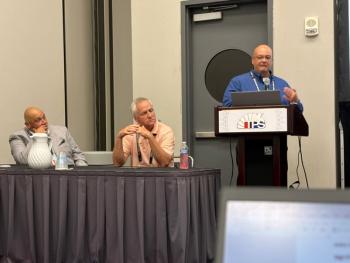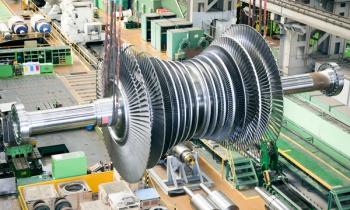
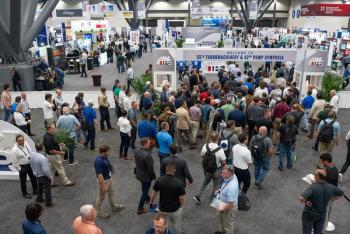
At the 2026 Turbomachinery and Pump Symposia, Engro Fertilizers’ Muhammad Uzair Javed explained how his team traced persistent high vibration to train misalignment, then moved a 100-ton turbine skid to cut vibration in half.
The advanced mechanical seal technology allowed the LNG facility to replace API Plant 32 flush systems, lowering demineralized water demand and improving operational efficiency.
John Crane has achieved a 99.8% reduction in water consumption at a leading LNG export facility in Louisiana through the deployment of its
Previously, the pumps operated with conventional mechanical seals using an API Plan 32 demineralized water flush, which required a continuous supply of treated water to cool and lubricate seal faces. While effective, the system was water-intensive and increased operating costs, particularly at elevated process temperatures.
“This project shows what is possible when advanced sealing technology is applied to high-temperature, high-demand processes,” said Mike Eason, Chief Technology Officer, John Crane. “Achieving a 99.8% reduction in water consumption is a powerful example of how engineering innovation can support both operational efficiency and responsible resource management.”
The Type SB2 USP seals are engineered to operate reliably between 180 °C and 200 °C while significantly reducing water requirements. The design incorporates proprietary non-contacting upstream pumping technology that uses buffer fluid to cool and lubricate the seal faces, minimizing the need for external water flushing while maintaining stable performance under demanding conditions.
The sealing solution was delivered and installed within eight weeks, with no reported implementation challenges. Since installation, the facility has maintained consistent seal performance while reducing reliance on demineralized water. The results have prompted the operator to consider broader deployment of the Type SB2 USP seal across its facilities as part of a wider effort to improve sustainability and optimize operations.
In mid-March 2026, John Crane helped a
The mill had experienced persistent seal failures and excessive water use, which affected reliability, operating costs, and sustainability goals. Mechanical seal failures occurred frequently, with mean time between repairs averaging about three weeks. The failures caused repeated production interruptions, increased maintenance workload, and higher operating costs. The previous sealing arrangement also consumed approximately three gallons of water per minute and lacked conservation measures, creating both financial and environmental challenges.
The seals were installed along with a John Crane seal reservoir and a 5-micron filtration system, creating a controlled sealing environment designed to support long-term operation in abrasive conditions. According to the company, the system was prepared within two weeks and installed in one week with support from John Crane’s field service team. Performance was validated during operation, drawing on the company’s experience in pulp and paper applications.