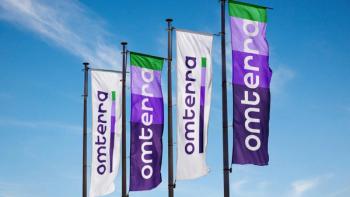
Siemens Energy is rebranding as Omterra, unifying its gas turbine, compressor, and Siemens Gamesa wind portfolios under one corporate identity.
Functional testing validated the system’s ability to process the high volumes of operational data generated by progressively larger and higher performance gas turbines.
Mitsubishi Power and Mitsubishi Electric Corp. (MEC) successfully executed the functional testing of their next-generation
Functional testing validated the system’s ability to process the high volumes of operational data generated by progressively larger and higher performance gas turbines. Also, the system features advanced control functions that support rapid load adjustments and complement fluctuations in renewable energy generation; furthermore, it can accommodate fuels like natural gas and hydrogen. This control system will help Mitsubishi Heavy Industries (MHI) stabilize global electricity supplies, spur economic development, and encourage decarbonization.
Control systems are essential components in supporting the high availability and safety of thermal power plants, including gas turbine combined-cycle facilities. As decarbonization efforts accelerate, there is a growing demand for flexibly operated thermal power plants. The flexibility includes quickly adjusting load to complement intermittent output from renewable energy sources, in addition to handling fuel diversification like co-firing natural gas with hydrogen.
Since the late 1980s, Mitsubishi Power has developed and delivered control systems that provide high operational reliability and satisfy strict maintenance support and safety requirements for domestic and international power plants. Its DIASYS series is installed in over 60 countries with more than 3,000 units operating in overseas power plants and domestic industrial power generation facilities.
On the MEC side, the company has supplied over 1,000 instrumentation and control systems—the MELSEP series—to thermal and hydroelectric power plants since 1980. The MELSEP unit is designed to meet domestic electric utility standards, contributing to the supply of electricity in Japan.
In early December 2025, MHI, Worley, and Heidelberg Materials entered the execution phase for the
Following capture, the CO2 will then be transported via pipeline for permanent sequestration in depleted gas fields beneath the Liverpool Bay, as part of the HyNet Northwest cluster. In 2024, MHI and Worley were awarded a front-end engineering design study for the project, with Heidelberg Materials’ final investment decision arriving in September 2025. The Padeswood CCS facility is scheduled for operation in 2029, and may generate around 50 new, permanent jobs and secure over 200 existing roles, while supporting up to 500 construction jobs.
During the execution phase, MHI and its regional representative, MHI-EMEA, will provide engineering and procurement for the CO2-capture technology, associated plant equipment, and compressors. Worley will perform engineering, procurement, and construction management for balance of plant. The project was approved by the U.K. Government under Track-1 of its carbon capture, utilization, and storage cluster sequencing program.