As gas turbine operators seek lower emissions, improved fuel flexibility, and reliable performance across a wider operating range, combustion system design is becoming increasingly important. In this Ask the Expert feature, a Hanwha Power gas turbine combustion engineer will discuss the key challenges involved in developing advanced combustion systems, including flame stability, emissions reduction, fuel flexibility, and component durability. The discussion will also examine how close collaboration among combustion, turbine, controls, and testing teams helps translate new combustion technologies into reliable field performance.
Advertisement
KEY TAKEAWAYS:
Understand the key design challenges in developing low-emission gas turbine combustion systems.
Learn how combustion engineers balance emissions, flame stability, fuel flexibility, and component life.
Recognize the importance of testing and cross-functional collaboration in commercializing advanced combustion technologies.
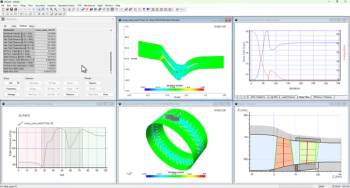
Version 2026.2 of Concepts NREC's Agile Engineering Design System adds LLM-connected tools for compressor design and documentation, a preliminary pump design environment, an AxCent link to Simcenter STAR-CCM+ and new MAX-PAC machining strategies.
Trungnam Group selected Ansaldo Energia for two GT36 H-class turbines and generators for a new greenfield plant in Vietnam, with delivery set for 2029 and commercial operation targeted by the end of 2030.
TAURON Ciepło signed a €94.5 million supply contract and a €49.9 million, 12-year service agreement for two 49.9 MW SGT-800 turbine sets, with deliveries due in September and October 2029.
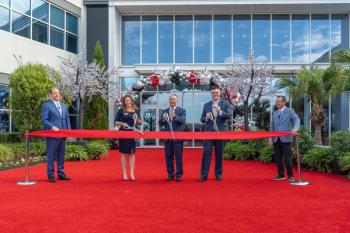
The new campus consolidates corporate functions, New Generation Systems Engineering and customer support, with phased build-out continuing through 2027.
Caterpillar's Power & Energy sales rose 18% to $8.8 billion in the third quarter, with turbine orders now extending into 2030 and no slack in capacity.
Siemens Energy reported record fiscal 2026 orders of €68.1 billion, with Gas Services orders up 45.9% to €32.8 billion, and raised its 2030 margin target to 20% to 22%.
GE Vernova says the LM2500XPRESS aeroderivative package has been validated on blends of up to 50% hydrogen and the LM6000VELOX package has been tested on 100% hydrogen at its new Greenville, S.C., test facility.
Mee Industries CEO Thomas Mee III explains how wet compression differs from inlet fogging, what it costs compared with a new turbine and how it can help plants meet capacity commitments.