
Feature|Videos|November 20, 2026
The Economics of Modernizing vs. Replacing Aging Compressors
Key Takeaways
- Discover why an aging compressor with a solid vibration-monitoring program can keep running well past its expected life.
- Learn the two main triggers that push a plant to choose between modernizing and replacing equipment.
The panel breaks down what actually tips the scale between modernizing an aging compressor and replacing it outright.
Advertisement
Episodes in this series
Sponsored by FS-Elliott
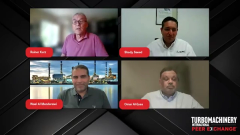
When a compressor is aging but still functional, what actually justifies replacing it? Omar Al-Essa shares an example of reciprocating compressors manufactured in 1977 that are still running reliably today, thanks to added vibration monitoring rather than a full replacement. Wael Al Mandarawi outlines the two main triggers that typically force the decision: a change in the operating envelope the existing machine can no longer meet, or an OEM announcing it will no longer support the equipment.
Shady Saeed identifies a common blind spot in how plants build the financial case: comparing the cost of modernization only against the price of new equipment, rather than against the full project cost of a replacement, which includes civil work, piping, and electrical infrastructure that a modernization can reuse. He offers concrete figures from a mid-sized compressor project: roughly $2 million for a new package versus $850,000 for a renovation, a $1.2 million difference.
This episode gives plant managers and finance teams a clearer lens for building the business case for modernization versus replacement.
Advertisement
Related to this article
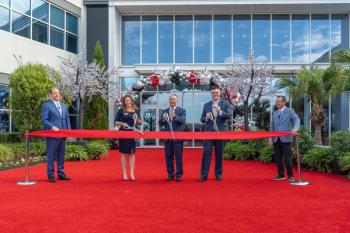
The new campus consolidates corporate functions, New Generation Systems Engineering and customer support, with phased build-out continuing through 2027.

Siemens Energy reported record fiscal 2026 orders of €68.1 billion, with Gas Services orders up 45.9% to €32.8 billion, and raised its 2030 margin target to 20% to 22%.
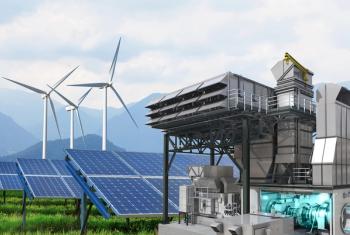
GE Vernova says the LM2500XPRESS aeroderivative package has been validated on blends of up to 50% hydrogen and the LM6000VELOX package has been tested on 100% hydrogen at its new Greenville, S.C., test facility.
Mee Industries CEO Thomas Mee III explains how wet compression differs from inlet fogging, what it costs compared with a new turbine and how it can help plants meet capacity commitments.
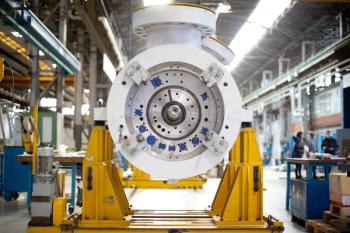
Baker Hughes reported a record $39.4 billion IET backlog in Q3, with gas technology equipment orders up 43%, and raised its full-year IET order guidance.

Mitsubishi Power Americas will add 450,000 square feet and more than 220 jobs at Savannah Machinery Works in Georgia as demand for advanced-class gas turbines grows.
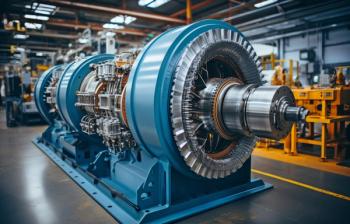
GE Vernova grew gas equipment backlog and slot reservations from 116 GW to 122 GW in Q3, expects at least 130 GW by year-end, raised 2026 guidance and agreed to buy Trench Group for $9 billion.
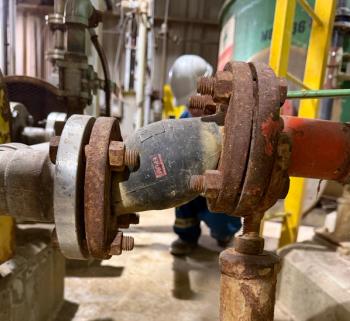
A review of inspection practices, common failure modes, and maintenance planning for rubber expansion joints in power plant piping systems.
Advertisement
Advertisement
Trending on Turbomachinery Magazine
1
Mitsubishi Power Americas Opens 192,000-Square-Foot Headquarters in Lake Mary, Florida
2
Engineering Better Compressor Performance with Polymer Labyrinth Seals – Mitsubishi Chemical Advanced Materials
3
The Economics of Modernizing vs. Replacing Aging Compressors
4