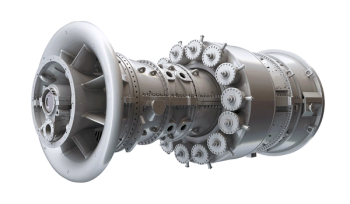
GE Vernova signed a contractual service agreement with Uniper to upgrade three GT26 gas turbine units powering its Grain power station in Kent, England. This high-efficiency (HE) upgrade should increase efficiency and power output and support the company’s decarbonization efforts.
Key Takeaways
- Uniper is upgrading three GT26 gas turbines at its Grain power station with GE Vernova's HE technology to boost efficiency and power output.
- The upgrade supports Uniper's decarbonization efforts while delivering significant fuel savings and extended maintenance intervals.
- This investment enhances the Grain plant's reliability and long-term profitability within the UK power grid.
“Increasing efficiency and the ability to maintain high availability, while lowering operational and maintenance costs, is crucial for the long-term success of Grain Power Station,” said Bill Cliff, Uniper Power Station Manager Enfield, Grain and Taylors Lane. “We worked with GE Vernova on the validation of GE Vernova’s GT26 HE upgrade at our Enfield power station, so we already had experience with this technology. Investment in our assets to reduce their carbon intensity, increase capacity, and maintain reliability for security of supply is key for both Grain and Enfield power stations.”
The GT26 HE upgrade includes:
- Additively manufactured parts.
- Innovations in material science and combustion.
The HE upgrade includes several performance benefits:
- Higher efficiency for combined-cycle power plants: approximately 2% baseload increased efficiency and up to 1% increased efficiency in part load.
- Increased plant output from 15 to 55 MW per unit, improving revenue.
The modernization project improved performance at Enfield and extended maintenance intervals of the combined-cycle gas turbine. GE Vernova’s prior testing on the GT26 HE technology indicated increases in plant output approximately 25 MW per unit, a 1% increased efficiency in part load and a 1.8% increase in baseload efficiency, worth up to $1 million fuel savings per unit per year, and maintenance intervals extended up to 32,000 hours.