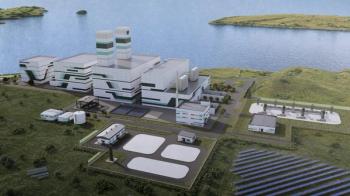
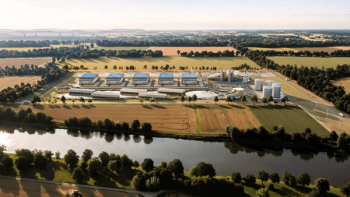
The Port of Victoria project would be only the second U.S. project to pursue NRC construction licensing for the GE Vernova Hitachi Nuclear Energy boiling water SMR design.
Stellar, a construction, design, engineering and mechanical services firm, has appointed Kurt Peninger as Division Vice President of Stellar Energy Systems (SES). Peninger brings 25 years of experience in the power-generation industry, including 13 years at General Electric. He is a certified Six Sigma Master Black Belt in both the DMAIC and DFSS methodologies.
SES designs and fabricates turbine inlet air chilling (TIAC) systems and modular utility plants. Before joining SES, Peninger served as Director of Commercial Operations for General Electric’s Energy Services Southern U.S. region. His team originated, negotiated and closed gas turbine maintenance contracts, services, repairs, modifications and upgrades. Peninger joined GE in 1998 in operations, managing power-generating facilities.
After earning a bachelor’s degree in marine engineering from the California Maritime Academy, Peninger began his career with Stewart & Stevenson, a supplier of power systems and related mechanical equipment, in plant operations and facility management. He joined GE when the company purchased Stewart & Stevenson.
SES has designed and built modular utility plants for the bioscience (including pharmaceutical), gaming, hospitality, healthcare, education and district-energy markets. It also serves mission-critical market segments such as data centers.
In addition to TIAC systems and modular utility plants, SES provides district-cooling plants, hybrid utility plants, stick-built utility plants (built onsite) and system components such as chillers, condensers, cooling towers, pumps and controls.