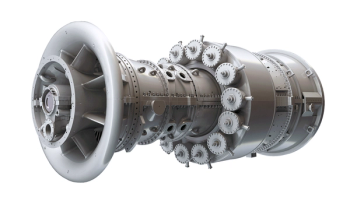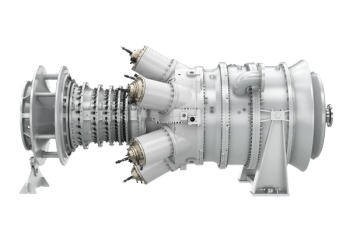
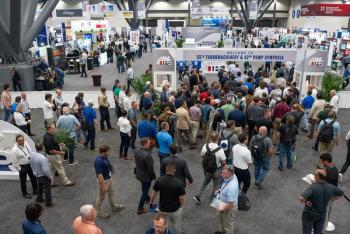
At the 2026 Turbomachinery and Pump Symposia, Opportune’s Dan Romito warned that grid constraints and a five-year gas turbine backlog are pushing AI data centers toward on-site power, while colleagues honored the legacy of the late Dara Childs.
Although the ruling only affects tariffs imposed under the emergency IEEPA statute, the action may point to future scrutiny of tariffs imposed under national security claims, like the ones affecting raw material imports for the turbo industry.
A recent U.S. Supreme Court decision curbed the executive branch’s ability to impose broad tariffs under emergency economic powers, reshaping the near-term trade landscape for manufacturers. While the ruling does not dismantle the core steel and aluminum duties that most directly affect rotating equipment makers, it removes a major source of sudden tariff volatility for turbomachinery OEMs and suppliers planning long-lead projects across global supply chains.
At issue was the use of emergency authority to levy sweeping import duties without the procedural guardrails typically required under U.S. trade law. The Court held that this emergency statute does not authorize across-the-board tariffs. The immediate consequence is narrow but meaningful: Any duties imposed under that specific authority fall away, and future administrations face tighter limits on using “emergency” powers as a shortcut to broad tariffs.
For the industrial economy, the decision does not invalidate tariffs imposed under other statutes. Longstanding duties on steel and aluminum—imposed under Section 232 of the Trade Expansion Act on national security grounds—remain intact. Likewise, anti-dumping and countervailing duties (AD/CVD) and Section 301 tariffs tied to unfair trade practices are unaffected. For turbomachinery, where materials costs and delivery schedules hinge on these frameworks, the ruling removes one lever of tariff risk without eliminating the others.
For most turbomachinery manufacturers, the biggest cost drivers on the materials side—carbon and alloy steels, stainless, aluminum plate and extrusions—continue to be shaped by Section 232 and AD/CVD cases. Those measures have supported domestic pricing and constrained supply options in certain grades and forms used for casings, rotors, shafts, and structural components. The Supreme Court ruling does not change that reality overnight.
Companies may see near-term relief in product categories or sourcing lanes that had been swept into emergency-justified duties. For firms importing precision components, subassemblies, electronics, or specialty inputs that were covered by those measures, landed costs may decline once customs guidance and refund mechanics are clarified. The practical impact will vary by bill of materials and country of origin, but finance and trade compliance teams should review exposure and documentation to determine whether refunds or credits are available.
Even when tariffs remain, predictability has value. Large turbomachinery projects—LNG compression trains, refinery upgrades, power generation overhauls—are quoted months or years in advance. Sudden tariff changes force OEMs to insert contingencies into bids, renegotiate contracts, or absorb margin hits on fixed-price work. By narrowing the executive branch’s ability to impose sweeping duties on short notice, the ruling reduces the risk of abrupt policy shocks. That can translate into cleaner pricing, fewer tariff surcharges, and less friction in procurement planning.
Supply chains also benefit. Re-qualifying materials and suppliers is expensive and slow in highly engineered equipment. With one source of “overnight tariff” risk curtailed, procurement teams can be more deliberate about dual sourcing, localization strategies, and long-term agreements without hedging against emergency trade actions.
Despite the improved policy clarity, the structural cost pressures tied to Section 232 remain. Domestic steel and aluminum prices will continue to reflect the tariff environment, and exemptions, quotas, or bilateral arrangements will still shape availability by product form and origin. For turbomachinery OEMs, this means continued focus on:
The Court’s ruling narrows one pathway to tariffs, but it does not signal a retreat from trade enforcement. Industry should expect policymakers to lean more heavily on established authorities—Section 232 investigations, AD/CVD petitions, and negotiated arrangements—if trade actions are pursued. These processes are slower and more procedurally defined than emergency actions, which improves forecastability but does not eliminate tariff risk.
Manufacturers should monitor:
In the aftermath of the ruling, OEMs and suppliers have an opportunity to tighten commercial practices:
The Supreme Court decision trims one source of tariff volatility without dismantling the trade regime that most affects turbomachinery inputs. Steel and aluminum duties remain the primary cost and sourcing constraint, while specialty metals continue to be shaped by targeted trade remedies. The near-term win is predictability: fewer emergency-driven tariff shocks and a clearer runway for planning complex, long-cycle projects. For OEMs and suppliers, the task now is to convert that predictability into smarter contracts, tighter compliance, and more resilient sourcing—while paying attention the next wave of trade actions emerging through traditional channels.