
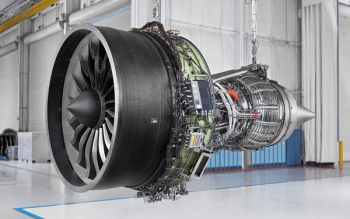
GE Aerospace expanded its partnership with Qatar Airways for more than 400 GE9X and GEnx aero engines and an MRO service agreement.
GE Aerospace expanded its partnership with Qatar Airways for more than 400 GE9X and GEnx aero engines and an MRO service agreement.
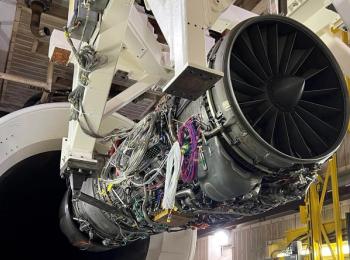
The tests demonstrated improved durability and fuel efficiency during high-thrust flight; next, GE Aerospace will conduct dust-ingestion testing on the turbine’s airfoils.
The Turbomachinery News Network, for the week of May 5, 2025, covers news from GE Vernova Hitachi/GE Vernova, Ansaldo Energia, EthosEnergy, and Baker Hughes.
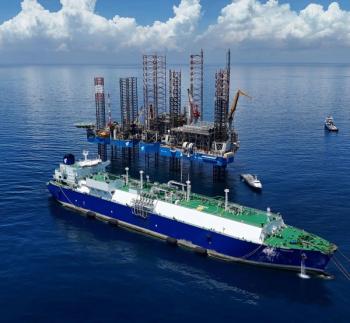
The floating storage and regasification unit will begin executing LNG regasification services at the LNG terminal in the Port of Pepillo Salcedo in September 2025.
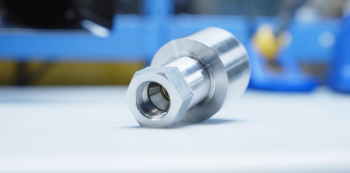
The Flame Tracker Increased Low Gain is more sensitive to low-light environments, allowing it to quickly identify flames and trigger shutdown to prevent damage or explosion.
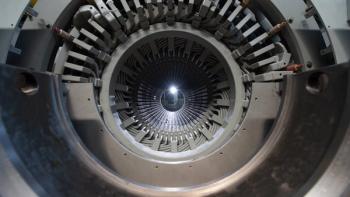
Nuclitalia will focus on small modular reactors, evaluate sustainable nuclear power designs, establish requirements, and conduct technical-economic analyses.
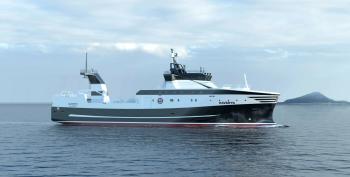
The marine compressed air system, equipped with Smart Air compressors and air dryers, will allow the VARD 8-02 trawler to operate with improved fuel economy.
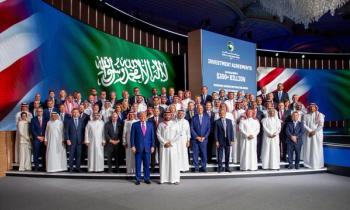
President Trump and the Prime Minister of Saudi Arabia’s visit prompted the collaboration with GE Vernova to potentially supply advanced heavy-duty gas turbines built in Greenville, SC.
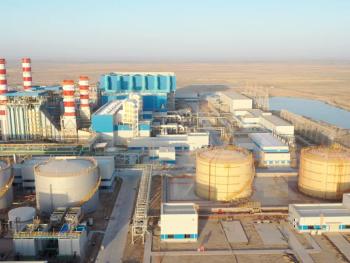
EthosEnergy will conduct routine inspections and preventive maintenance at the 850-MW facility that houses Siemens Energy’s turbines and gensets.
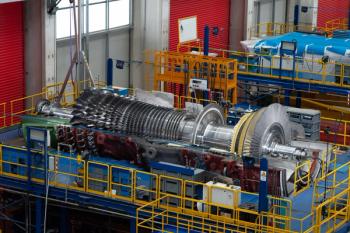
Stefano Gianatti of Ansaldo Energia says installing baseload flexible generation is key to supporting European countries struggling with renewable energy intermittency.
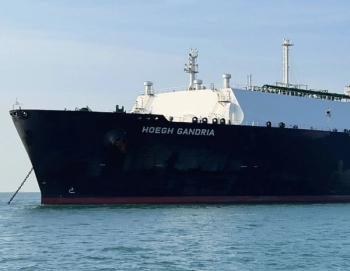
The floating storage and regasification unit will supply up to 1,000 mmscf/day of LNG regasification capacity in Egypt, while its predecessor is shipped to Australia.
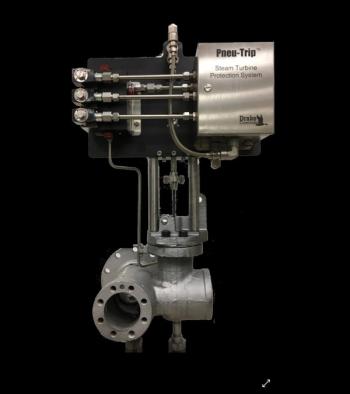
Drake Controls has locations in the United States and Mexico, allowing Score to grow its intelligent control platform for turbines, compressors, and more.
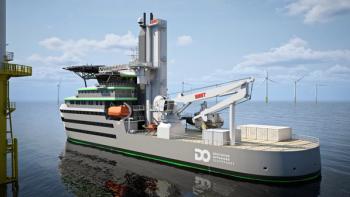
The engines will be part-load optimized in a diesel-electric configuration for improved fuel efficiency.
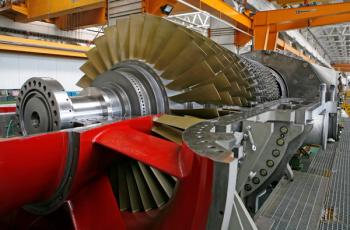
The UAE-based 1-GW plant, connected to a nearby large-scale photovoltaic park, includes Ansaldo Energia’s 24/7 monitoring and technical support.
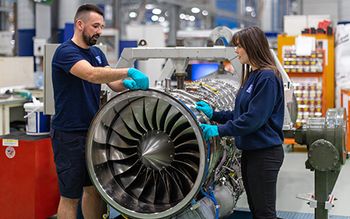
The five-year support agreement covers 130 EJ200 aero engines and will be executed at Rolls-Royce’s research, development, and manufacturing headquarters in Bristol.
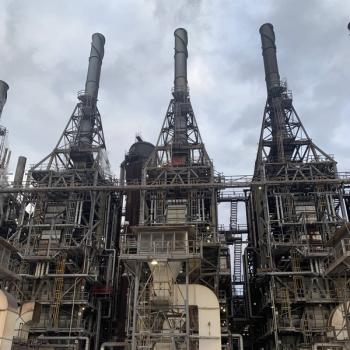
Marubeni Corp. will offtake approximately 250,000 tons of low-carbon ammonia per year to supply Kobe power plant with co-firing capabilities.
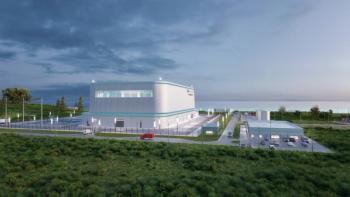
Ontario Power Generation’s Darlington site will host the first small modular reactor constructed in the Western Hemisphere.

The Turbomachinery News Network, for the week of May 5, 2025, covers news from Rotating Machinery Services, Rolls-Royce, Ansaldo Energia, and Bosowa Energy Group.
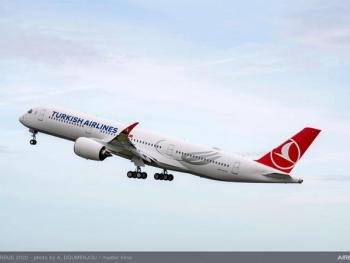
The maintenance, repair, and overhaul shop will handle approximately 200 annual visits, primarily servicing large-scale Trent civil engines for Airbus aircraft.
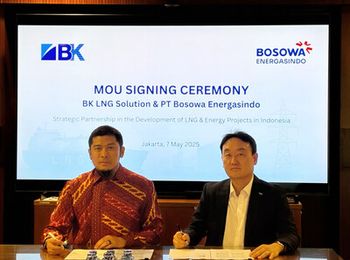
The partnership includes LNG supply-chain integration, FSUs development, natural gas power generation, downstream energy applications, and more.
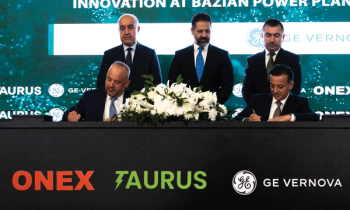
Bruno Monetti of GE Vernova details how local supply chain investments and strong supplier relationships can overcome market challenges.
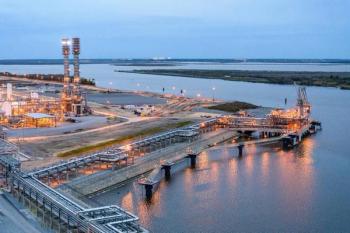
The large-scale Asian buyer will obtain 1 MTPA of LNG over a 20-year term from the 9.5 MTPA LNG liquefaction and export facility in Cameron, LA.

Technip Energies’ design includes large-scale offshore platforms, flare platforms, connecting bridges, and related infrastructure.
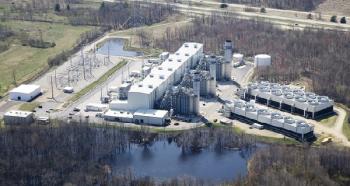
The upgrades will improve electricity output, response time, fuel efficiency, and more as Michigan enters its summer peak-generation period.
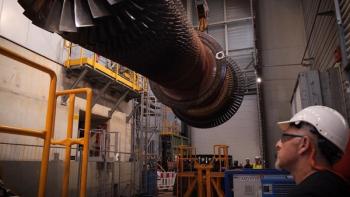
Ansaldo Energia’s MXL3 upgrade lowers emissions by up to 20%, boosts power output and efficiency, and enables 45% hydrogen co-combustion on its GT26 gas turbine.
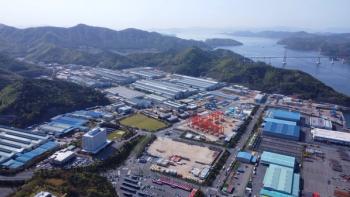
Doosan and HD Hyundai Marine Engine will develop precision casting manufacturing technology and prototype blade materials for gas turbines.
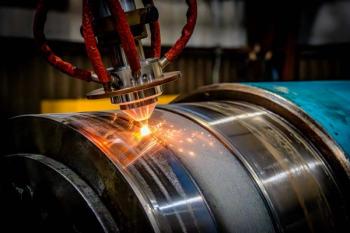
Fusion Inc. joins RMS’s domestic repair network, offering customers thermal spray coatings, laser cladding, and other critical turbomachinery services.
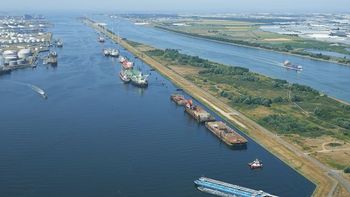
Maaike Grevelink of the Port of Rotterdam Authority discusses the recent ammonia bunkering pilot’s significance for ship-to-ship transfers, safety, and potential hydrogen transport.

Turbine Weld Industries will contribute to VSE’s aftermarket position with its repair specifications and technologies for hot-section components.
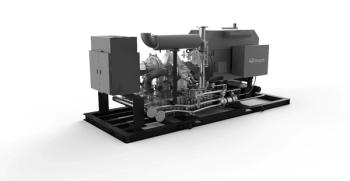
The new compressor line features improved corrosion resistance, thermal efficiency, and reduced tube blockage.