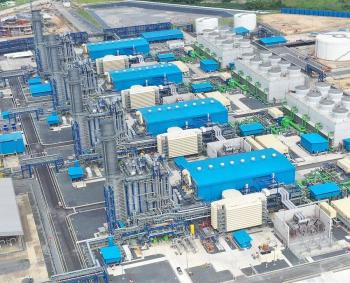
The final turbine’s construction marks the on-time completion of a project awarded in 2018, featuring two gas turbine combined-cycle (GTCC) plants in Chonburi and Rayong.
The final turbine’s construction marks the on-time completion of a project awarded in 2018, featuring two gas turbine combined-cycle (GTCC) plants in Chonburi and Rayong.
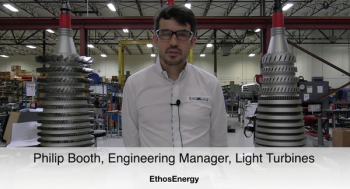
On our Turbo Tour of EthosEnergy, Engineering Manager Philip Booth spoke about the repair, overhaul, and aftermarket markets.
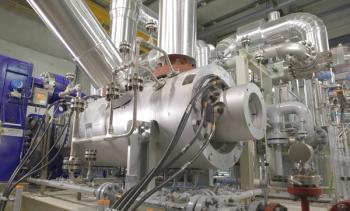
The 10 integrated compressor line (ICL) units will be installed and increase energy capacity at the Margham gas storage facility in Dubai.
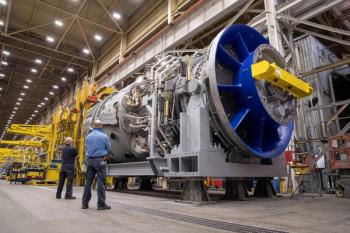
The H-class power generation equipment will increase plant efficiency and replace aging conventional assets: three boilers and three steam turbines.
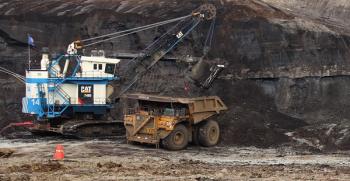
Operated and non-operated interests in the Athabasca Oil Sands Project (AOSP) and Duvernay shale will be sold to Canadian Natural Resources in a $6.5 billion all-cash transaction.

The United States and Brazil will collaborate on various clean-energy initiatives: bioenergy-to-hydrogen, clean energy for remote communities, carbon and methane management, and more.
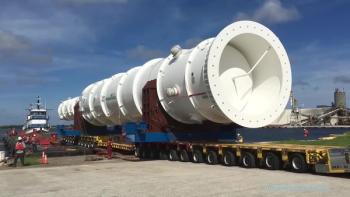
Related assets, manufacturing capability, and personnel have been transferred to Honeywell, including the coil-wound heat exchanger manufacturing facility in Port Manatee, FL.
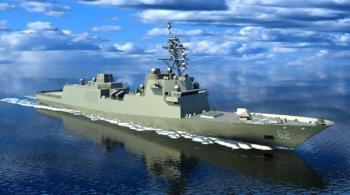
The system will feature power-conversion technologies, including propulsion-load electric motors, E-houses, power electronic motor drives, load banks, transformers, and more.
In this episode of the TurboTime podcast, Daniel Tegtmeier, Director of EthosEnergy’s Performance Center, talks about remote operations and monitoring.
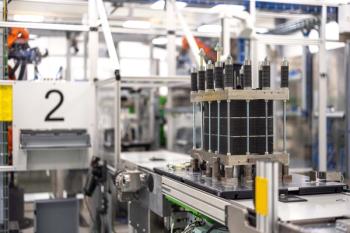
At full capacity, the new gigahub will enable the automated series production of PEM stacks with a potential total electrolysis capacity of more than 5 GW per year.
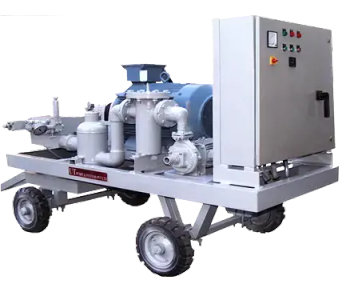
The company acquired APSCO, a hydraulic and pneumatic provider; Blutek, a compressed air and nitrogen generation solutions designer; and UT Pumps, a screw and plunger pump manufacturer.
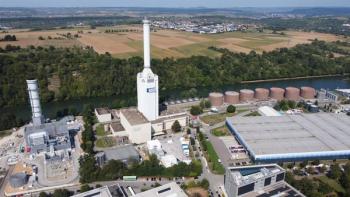
The AE94.3A gas turbine delivers high flexibility, leveraging a ramp rate of 50 MW/min and reaching full load in 26 minutes.
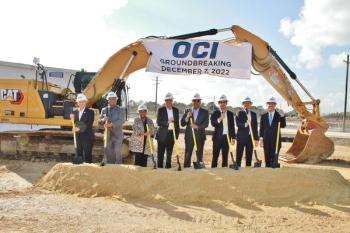
The completion follows Woodside’s agreement to acquire OCI Clean Ammonia’s 1.1 MTPA Clean Ammonia Project, which is currently under construction with production planned for 2025.

AI Wingmate provides GE Aerospace employees with an internal platform for instant information access, faster learning and discovery, and advanced support tools.
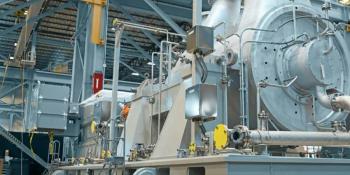
The core equipment was manufactured and tested at Mitsubishi Heavy Industries Compressor Corp.’s facility in Hiroshima, Japan, and was delivered in April 2024.
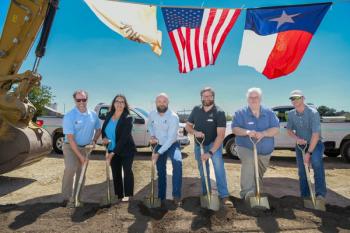
The anaerobic digester at Synthica San Antonio will transform waste into renewable energy while removing methane and CO2 from the atmosphere.
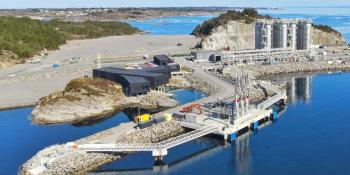
The first phase capacity of 1.5 million tons of CO2 per year is fully booked, and the joint venture owners are working to further increase the transport and storage capacity.
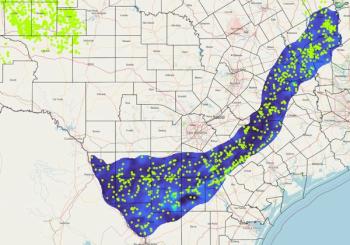
Marubeni will provide technical and financial assistance for Ozona to identify and acquire pore space, permit sequestration wells, and establish facilities and pipelines in Texas.
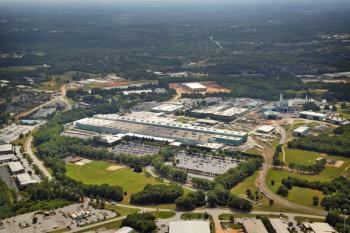
The AI Assistant—HySAGE—will enable modeling capability and flexibility for incorporating hydrogen codes, standards, and environmental scenarios.
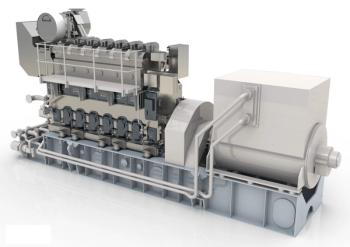
Two Arctic offshore patrol ships will be equipped with 6L32/44CR engines, common-rail electronic injection, turbochargers, electronic hardware, and variable valve timing.
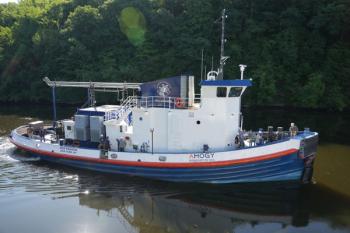
In addition to powering the NH3 Kraken tugboat with green ammonia, Amogy demonstrated this technology in an aerial drone, commercial farm tractor, and semi-truck.
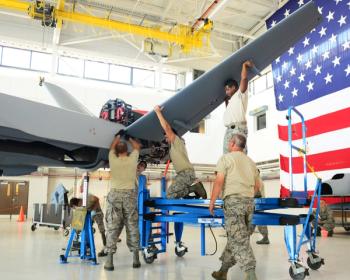
Unlike typical geothermal systems, geopressured geothermal systems (GGS) repurpose fracking technology to extract thermal energy from miles below the Earth’s surface.
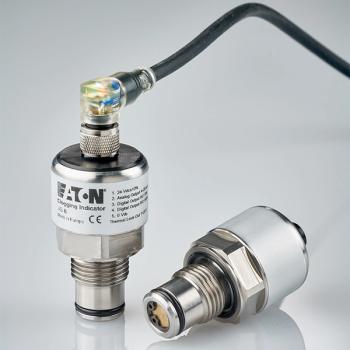
The VS6 sensor features a cold-start suppression function, a protection class of IP67, and is compatible with most Eaton hydraulic filtration systems.
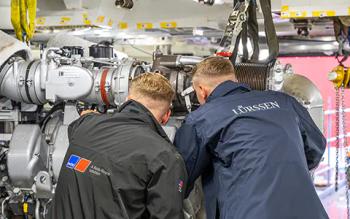
The agreement reorganizes the cooperation, accelerates processes, simplifies procedures, and defines common standards for yacht engines and propulsion systems overhauls.
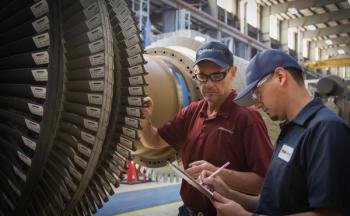
The company’s local team will repair capital parts, supply spare parts, and provide turnkey on-site services in France and its overseas territories.
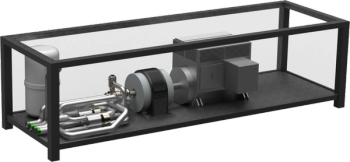
The initial facility will sequester and permanently store 75,000 tons of CO2 per year while generating 5 MW of clean electricity with plans for full-scale operation in 2030.
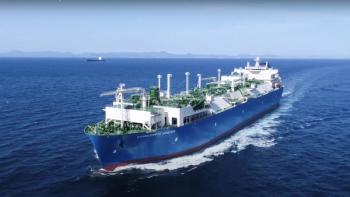
The retrofit project will reduce the FSRU’s environmental footprint and carbon emissions by reliquefying boil-off gas and returning it to the cargo tanks.
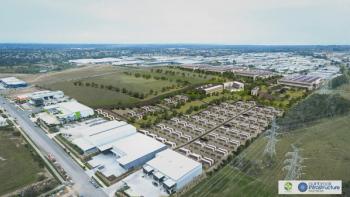
The company will supply and commission the power conditioning systems, power plant controller SCADA systems, and capacitor bank/harmonic filter.
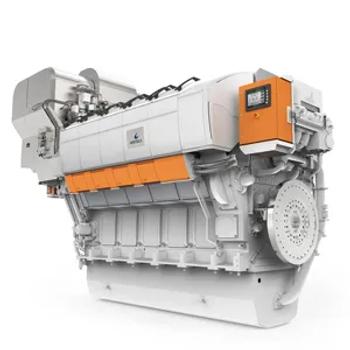
The dual-fuel to spark gas conversion project will modify Chevron’s LNG carrier engines to use spark ignition versus diesel pilot fuel to initiate combustion.
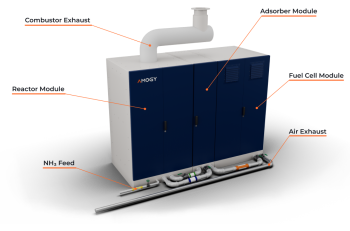
Ammonia-cracking technology uses catalyst materials to crack ammonia into hydrogen and nitrogen at lower reaction temperatures, reducing heating and maintenance requirements.