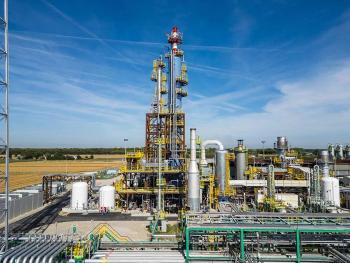
The KM CDR capture process treats low-CO2 flue gas from a natural gas turbine driving a turbocompressor to lower emissions by 90% with peaks of 96%.
The KM CDR capture process treats low-CO2 flue gas from a natural gas turbine driving a turbocompressor to lower emissions by 90% with peaks of 96%.
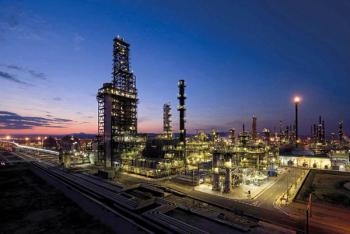
Green hydrogen produced through water electrolysis will support the Castellón refinery’s transition to an integrated energy hub.
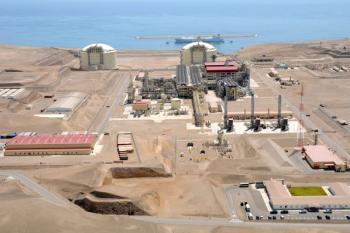
Peru LNG’s assets consist of a natural gas liquefaction plant, a 490-km pipeline, two storage tanks, a marine terminal, and a truck loading facility.
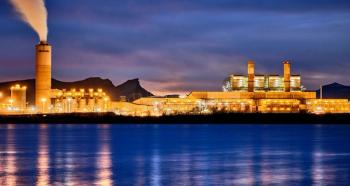
The Four Corners Power Plant would use amine-based, post-combustion carbon capture to remove more than 95% of the plant’s CO2 from flue gas.
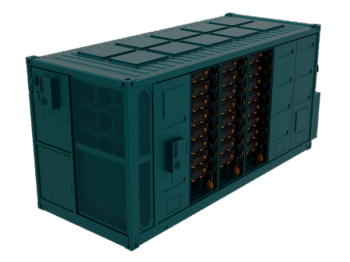
The containerized solution has thermal management and high-speed edge analytics to monitor the storage system’s charge, health, and safety.
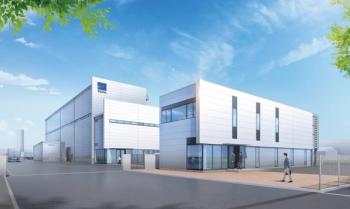
As part of the center’s equipment testing, development, and quality assurance work, liquid hydrogen pumps will be tested with hydrogen at -253°C.
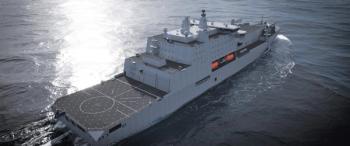
The company will provide 12 V32/44CR propulsion engines, six L32/44CR gensets, selective catalytic reduction for each engine, and three Alpha CP propellers.

CarbonEdge, leveraging an integrated dashboard, delivers real-time data and CO2 flow alerts across carbon capture, utilization, and storage (CCUS) infrastructure.
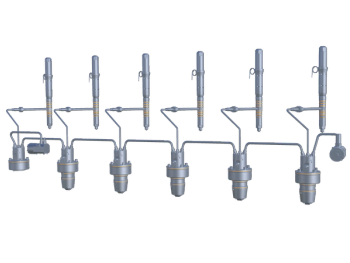
Initially installed on the MAN 49/60DF engine, the fuel-injection system comprises a uniform high-pressure pump, a newly developed injector, and the CR 1.6 valve group.
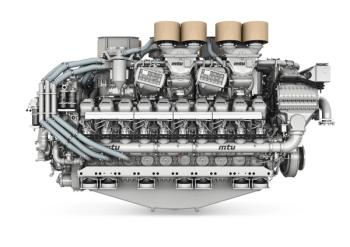
The mtu Series 1163 and 8000 engines are now equipped with exhaust gas aftertreatment, which reduces NOx emissions by 75% compared to the previous IMO II limits.
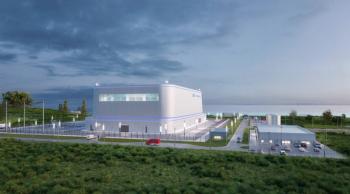
Earlier this year, GE Hitachi Nuclear Energy (GEH) received a £33.6 million Future Nuclear Enabling Fund grant from the U.K. Department for Energy Security and Net Zero.
The QC-Max vessel features enhanced fuel efficiency and reduced emissions, allowing QatarEnergy to meet global LNG demand while adhering to environmental standards.
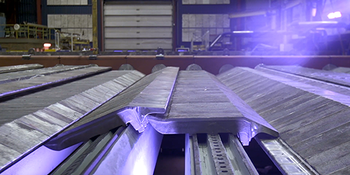
Varme Energy’s proposed waste-to-energy facility will be located northeast of Edmonton, processing up to 200,000 tons of waste per year.

Sixteen gas engines will be installed across two power plants and an LNG terminal in East Malaysia and Indonesia.
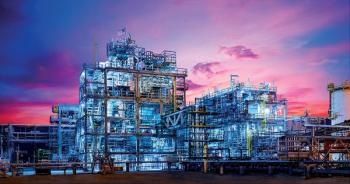
ADNOC will acquire a 35% equity stake in the Baytown facility, which is slated to be the world’s largest, upon startup, low-carbon hydrogen and ammonia production plant.
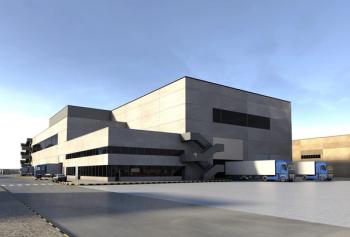
General Electric Saudi Advanced Turbines (GESAT) manufactures and supplies gas turbines for power generation plants in up to 10 countries, including Saudi Arabia.
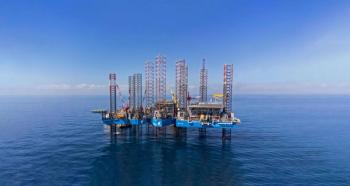
In addition to Fast LNG’s Free Trade Agreement authorization from the Department of Energy (DOE), the asset can now export LNG to global customers and markets.
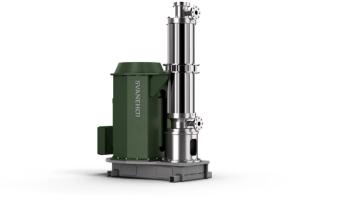
The high-pressure centrifugal pump is hermetically sealed and designed with a magnetic coupling that aids torque transmission from the motor.
Small modular reactors (SMRs) and advanced modular reactors (AMRs) benefit from lower investment costs, operational flexibility, and construction modularity.

The company will study and deploy advanced drilling, completion, and production technologies during future development phases at the Tahiti and Jack/St. Malo facilities.
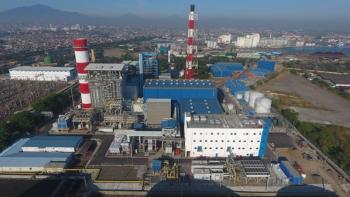
Using hydrogen-capable H-class technology, the power plant produces up to 60% fewer emissions than plants powered by diesel, coal, and other fossil fuels.
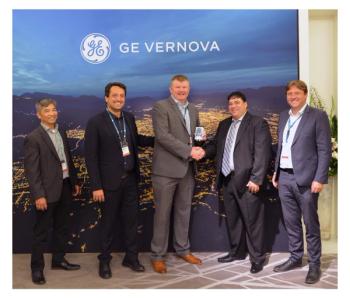
Systems with Intelligence (SWI) will integrate its fixed infrared sensors with GE Vernova’s DGA 900 Plus—an early-detection gas transformer monitoring system.
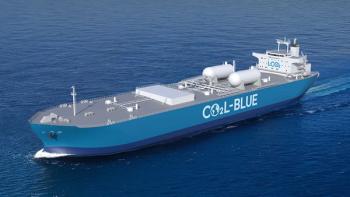
With a growing demand for liquefied CO2 carriers with emerging carbon capture and storage (CCS) projects, the partners will build and supply LCO2 carriers for the Japanese market.
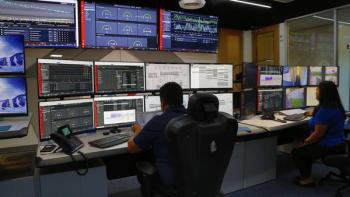
EthosEnergy employs 3,600 individuals across three subdivisions: optimized solutions, operations and maintenance, and aerospace and defense MRO.
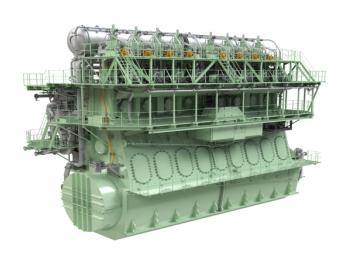
The ME-GI models are two-stroke propulsion engines operating on RoRo vessels, PCTCs, container vessels, bulk carriers, tankers, and LNG carriers.
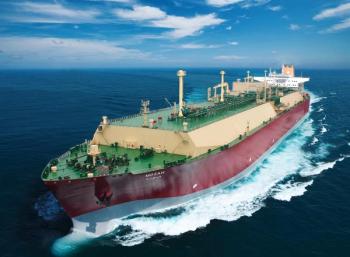
The agreement builds on a previous long-term LNG sale and purchase agreement (SPA), aiding bilateral trade between the states of Qatar and Kuwait.
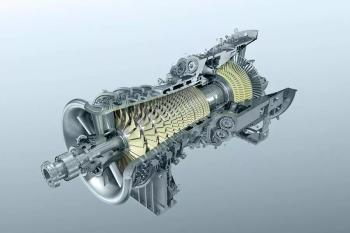
The JAC gas turbine is hydrogen-ready with more than 64% efficiency rate, providing the plant with flexibility, faster start-up times, and load-following capabilities.
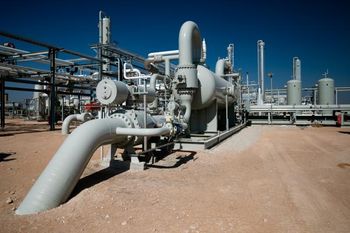
In addition to Piñon’s two acid gas injection wells in the Delaware Basin, Enterprise will evaluate a third location to support up to 750 MMcf/d in total treating capacity.
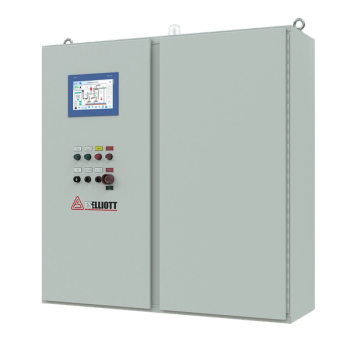
The R3000 control panel is equipped with remote monitoring capabilities, offering a comprehensive data dashboard and customized reports to ensure reliable compressor operation.
Chevron will hold a 70% participating interest; Woodside Energy will hold a 30% stake; GS Caltex will potentially own a 5% interest upon regulatory approvals.