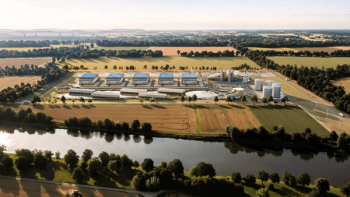
MHI Compressor International will supply turbomachinery for Shintech's new 625 KTA PEP-2 ethylene plant in Plaquemine, Louisiana, its second project with the company.
Ebara Elliott Energy wins major Middle East gas project deal, supplying nine high-pressure centrifugal compressor trains for L&T with phased delivery.
Ebara Elliott Energy has secured a compressor supply contract with Larsen & Toubro Limited (L&T) for a mega-scale gas infrastructure development in the Middle East.1
The contract encompasses nine customized centrifugal compressor trains engineered specifically for high-pressure gas processing applications.¹ The equipment is destined for a multi-billion-dollar energy expansion initiative in the region, though the specific project location and end-user have not been publicly disclosed. L&T, one of India's largest engineering and construction conglomerates, is serving as the EPC contractor on the project.
For rotating equipment professionals, nine compressor trains on a single order represents a substantial scope of supply—both in terms of engineering complexity and manufacturing throughput. High-pressure gas processing applications typically demand tight tolerances on rotor dynamics, aerodynamic stage design, and mechanical seal systems, leaving little margin for deviation across a multi-train fleet of this scale.
According to EEE, the award was driven by the company's ability to engineer for extreme operating conditions and its track record of real-world reliability.¹ Critically, the company's flexible, phased delivery schedule and precision milestone planning were cited as key differentiators in a project environment involving multiple engineering teams, licensors, and international stakeholders.
"At this scale, there is no room for error," said Nobu Miyaki, Chairman & CEO of Ebara Elliott Energy. "Larsen & Toubro Limited and their end-user chose us because our engineering teams design for extreme conditions, and our technology delivers real-world reliability when it matters most."¹
In complex multi-party EPC projects—particularly those in the Middle East energy sector—schedule certainty and phased delivery capability are frequently as decisive as technical performance specifications. The ability to synchronize compressor train deliveries with upstream and downstream project milestones is a logistical and engineering challenge that can determine overall project viability.
The project is part of a broader wave of capital investment in Middle East gas processing capacity, as regional energy producers continue to expand infrastructure to meet both domestic demand and export commitments. Centrifugal compressors are central to these facilities, handling gas compression duties across injection, transmission, and processing trains.
The global centrifugal compressor market has seen sustained demand from the oil and gas sector, with Middle East projects representing a disproportionately large share of large-frame, high-pressure orders. Market analysts at Grand View Research have noted that the oil and gas segment remains the dominant end-use category for industrial centrifugal compressors globally.²
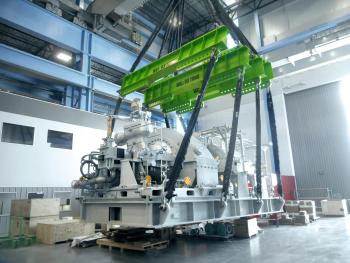
EEE noted that deliveries will utilize the company's global manufacturing and testing infrastructure, with schedules aligned to the project's phased timeline.¹ The company's testing capabilities are a relevant consideration at this scale—factory acceptance testing of high-pressure centrifugal compressors is a critical quality gate before field deployment.
Miyaki framed the project as consistent with EEE's broader strategic positioning at the intersection of near-term energy security and long-term decarbonization planning. "The world needs dependable energy today while planning for a lower-carbon tomorrow, and this project does both," he said.¹
For the rotating equipment industry, the contract signals continued investment appetite in large-scale gas processing infrastructure and reinforces the competitive premium placed on proven reliability, engineering depth, and delivery execution at the highest end of the centrifugal compressor market.