
Feature|Videos|October 30, 2026
Why Driver Train Health Matters as Much as the Compressor Itself
Key Takeaways
- Understand why gearboxes and other driver-train components can require more monitoring attention than the compressor itself.
- Discover why the majority of root-cause failures trace back to auxiliary systems rather than the compressor.
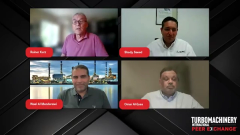
Panelists explain why the equipment surrounding a centrifugal compressor can matter as much as the compressor itself.
Advertisement
Episodes in this series
Sponsored by FS-Elliott
It's easy to focus attention on the compressor and treat the driver train (motors, gearboxes, couplings, steam or gas turbines) as secondary. Omar Al-Essa pushes back on that instinct, explaining that gearboxes in particular can require even more monitoring and attention than the compressor they support, given how delicate and multi-staged they are.
Wael Al Mandarawi adds a striking statistic from his own root cause analysis experience: 60 to 70 percent of compressor problems trace back to auxiliary systems (couplings, seals, lube oil, electrical motors) rather than to a properly designed and selected compressor itself. Omar Al-Essa confirms the pattern, noting that compressors operated within their intended design envelope can run 8 to 12 years without a single overhaul.
For teams building a maintenance strategy, this episode reframes where attention and budget should go: not just at the compressor, but across the entire train.
Advertisement
Related to this article

Mitsubishi Power Americas will add 450,000 square feet and more than 220 jobs at Savannah Machinery Works in Georgia as demand for advanced-class gas turbines grows.
GE Vernova grew gas equipment backlog and slot reservations from 116 GW to 122 GW in Q3, expects at least 130 GW by year-end, raised 2026 guidance and agreed to buy Trench Group for $9 billion.
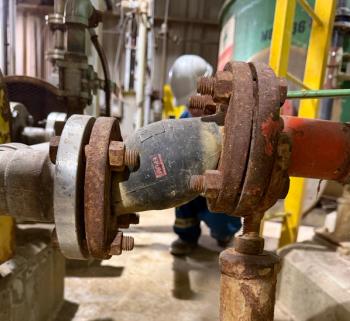
A review of inspection practices, common failure modes, and maintenance planning for rubber expansion joints in power plant piping systems.
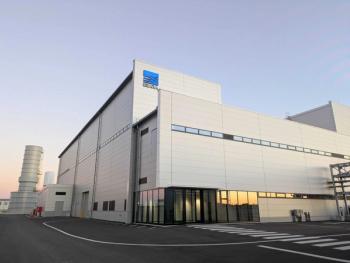
Ebara Elliott Energy Opens Liquid Hydrogen Pump Test Center and Cryogenic Manufacturing Hub in Japan
Ebara Elliott Energy opened its Futtsu No. 2 District in Japan, combining a liquid hydrogen pump test center and a cryogenic equipment plant on one site.
The motor-driven compressor package targets a 1,500 t/day green ammonia facility in India, with delivery in late 2027 and commissioning in 2028.

The behind-the-meter framework covers 720 MW units delivered from 2028 through 2034, mainly for LNG operations, with data centers as a possible add-on.
EnergyLink International's acquisition of DC Power expands its installation and retrofit capabilities, signaling continued consolidation across the energy...
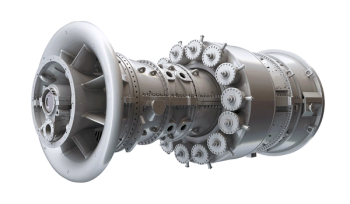
GE Vernova will supply a 9E gas turbine and related equipment for the 372 MW Songon combined-cycle plant near Abidjan, set for commercial operation in 2029.
Advertisement
Advertisement
Trending on Turbomachinery Magazine
1
Mitsubishi Power to Invest $490 Million to Double Its Savannah Gas Turbine Plant
2
GE Vernova's Gas Power Backlog and Reservations Reach 122 GW as Power Orders Jump 178%
3
Ebara Elliott Energy Opens Liquid Hydrogen Pump Test Center and Cryogenic Manufacturing Hub in Japan
4
Why Driver Train Health Matters as Much as the Compressor Itself
5