
Feature|Videos|October 28, 2026
A Decade of Change in Compressor Instrumentation and Monitoring
Key Takeaways
- Learn how the shift from time-based to condition-based maintenance has accelerated over the past decade.
- Discover how AI and machine learning are helping operators detect changes that manual monitoring alone would miss.
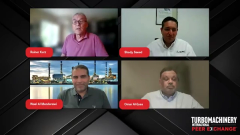
Wael Al Mandarawi, Omar Al-Essa, and Shady Saeed compare how compressor monitoring has transformed over the past decade, and where it's still catching up.
Advertisement
Sponsored by FS-Elliott
How much has really changed in operators' visibility into compressor health? Wael Al Mandarawi traces the shift from time-based maintenance toward condition-based monitoring, an acceleration he's seen build over the last ten to fifteen years as machine learning and AI-driven software help catch changes a human observer might miss, while cautioning that the move to full condition-based monitoring has to happen carefully on critical, high-hazard equipment.
Omar Al-Essa illustrates the shift with a personal example: a plant superintendent who once needed basic vibration monitoring explained years later that OEM-supplied dashboards now show him everything he needs to know. Shady Saeed adds the manufacturing side of the story, noting that tolerances and performance simulation available today go far beyond what was possible when many FS-Elliott units still in service were originally built in the 1970s, and that the resulting engineering databank helps modernize decades-old assets without replacing them outright.
Anyone managing an aging compressor fleet will find a clear picture here of how far condition monitoring has come, and how that progress is changing modernization decisions.
Advertisement
Related to this article
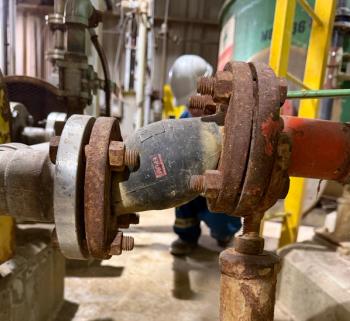
A review of inspection practices, common failure modes, and maintenance planning for rubber expansion joints in power plant piping systems.
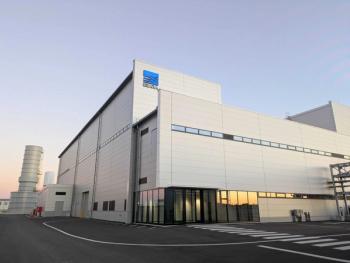
Ebara Elliott Energy Opens Liquid Hydrogen Pump Test Center and Cryogenic Manufacturing Hub in Japan
Ebara Elliott Energy opened its Futtsu No. 2 District in Japan, combining a liquid hydrogen pump test center and a cryogenic equipment plant on one site.

The motor-driven compressor package targets a 1,500 t/day green ammonia facility in India, with delivery in late 2027 and commissioning in 2028.

The behind-the-meter framework covers 720 MW units delivered from 2028 through 2034, mainly for LNG operations, with data centers as a possible add-on.
EnergyLink International's acquisition of DC Power expands its installation and retrofit capabilities, signaling continued consolidation across the energy...
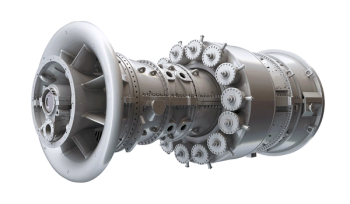
GE Vernova will supply a 9E gas turbine and related equipment for the 372 MW Songon combined-cycle plant near Abidjan, set for commercial operation in 2029.
SoftInWay's AxSTREAM AI platform introduces pre-trained foundation models for turbomachinery design, promising faster feasibility assessment with under 3%...

The memorandum pairs Ansaldo's gas turbines and generators with Hitachi Energy's grid equipment for both 50 Hz and 60 Hz markets.
Advertisement
Advertisement
Trending on Turbomachinery Magazine
1
Ebara Elliott Energy Opens Liquid Hydrogen Pump Test Center and Cryogenic Manufacturing Hub in Japan
2
Multi-Physics Monitoring Meets Reliability
3
Everllence Lands First Commercial PARSYN Order for AM Green's Kakinada Ammonia Plant
4
Preventive Maintenance of Expansion Joints
5