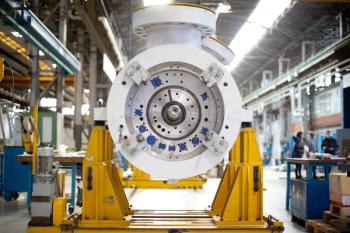
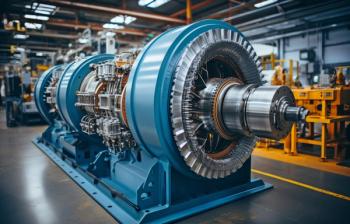
Specifying a centrifugal compressor requires balancing performance, reliability, industry standards and project cost. In this episode, JD Schroeder, Applications Engineering Manager at FS-Elliott, discusses how to navigate API and JIP requirements, avoid unnecessary specification costs and make informed decisions that support both technical and budget objectives.
Advertisement
What You’ll Learn:
Understand how API and JIP requirements influence centrifugal compressor design, testing, documentation, cost and project timelines.
Identify specifications that may add unnecessary cost or complexity without delivering meaningful operational value.
Learn practical strategies for balancing performance, reliability, standards compliance and budget throughout the compressor selection process.
The new campus consolidates corporate functions, New Generation Systems Engineering and customer support, with phased build-out continuing through 2027.
Siemens Energy reported record fiscal 2026 orders of €68.1 billion, with Gas Services orders up 45.9% to €32.8 billion, and raised its 2030 margin target to 20% to 22%.
GE Vernova says the LM2500XPRESS aeroderivative package has been validated on blends of up to 50% hydrogen and the LM6000VELOX package has been tested on 100% hydrogen at its new Greenville, S.C., test facility.
Mee Industries CEO Thomas Mee III explains how wet compression differs from inlet fogging, what it costs compared with a new turbine and how it can help plants meet capacity commitments.
Baker Hughes reported a record $39.4 billion IET backlog in Q3, with gas technology equipment orders up 43%, and raised its full-year IET order guidance.
Mitsubishi Power Americas will add 450,000 square feet and more than 220 jobs at Savannah Machinery Works in Georgia as demand for advanced-class gas turbines grows.
GE Vernova grew gas equipment backlog and slot reservations from 116 GW to 122 GW in Q3, expects at least 130 GW by year-end, raised 2026 guidance and agreed to buy Trench Group for $9 billion.