
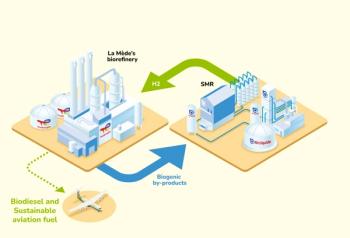
The production unit generates hydrogen using recycled biogenic by-products, which is then fed back into TotalEnergies’ biorefinery to produce biofuels and sustainable aviation fuels.
The production unit generates hydrogen using recycled biogenic by-products, which is then fed back into TotalEnergies’ biorefinery to produce biofuels and sustainable aviation fuels.
The November/December 2024 issue highlights emerging decarbonization efforts that integrate hydrogen, ammonia, and new technologies into increasingly intermittent grids.
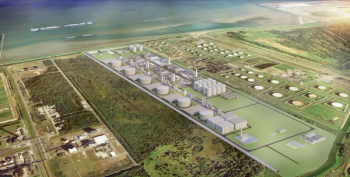
The electrolyzer will be built at Uniper’s former coal-fired power plant with an ammonia import terminal planned near the first LNG terminal in North Wilhelmshaven.
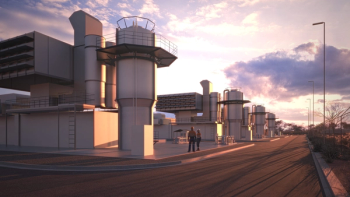
The LM6000 gas turbine units feature a newly designed fuel nozzle, optimized water injection schedules, advanced control modifications, and safety features.
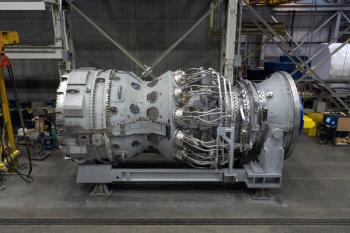
GE Vernova will acquire all heavy-duty gas turbine combustion assets from Woodward’s Greenville site after the transaction closes in early 2025.

The project will deploy a high-fidelity gas sensing technology that uses dielectric excitation and physics-enhanced analytics to detect hydrogen leaks at industrial locations.
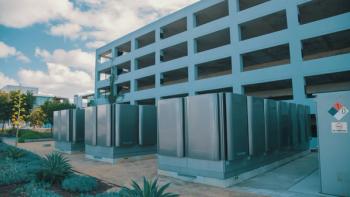
American Electric Power will install 100 MW of Bloom fuel cells at data centers to help meet increasing AI load and subsequent power demand.

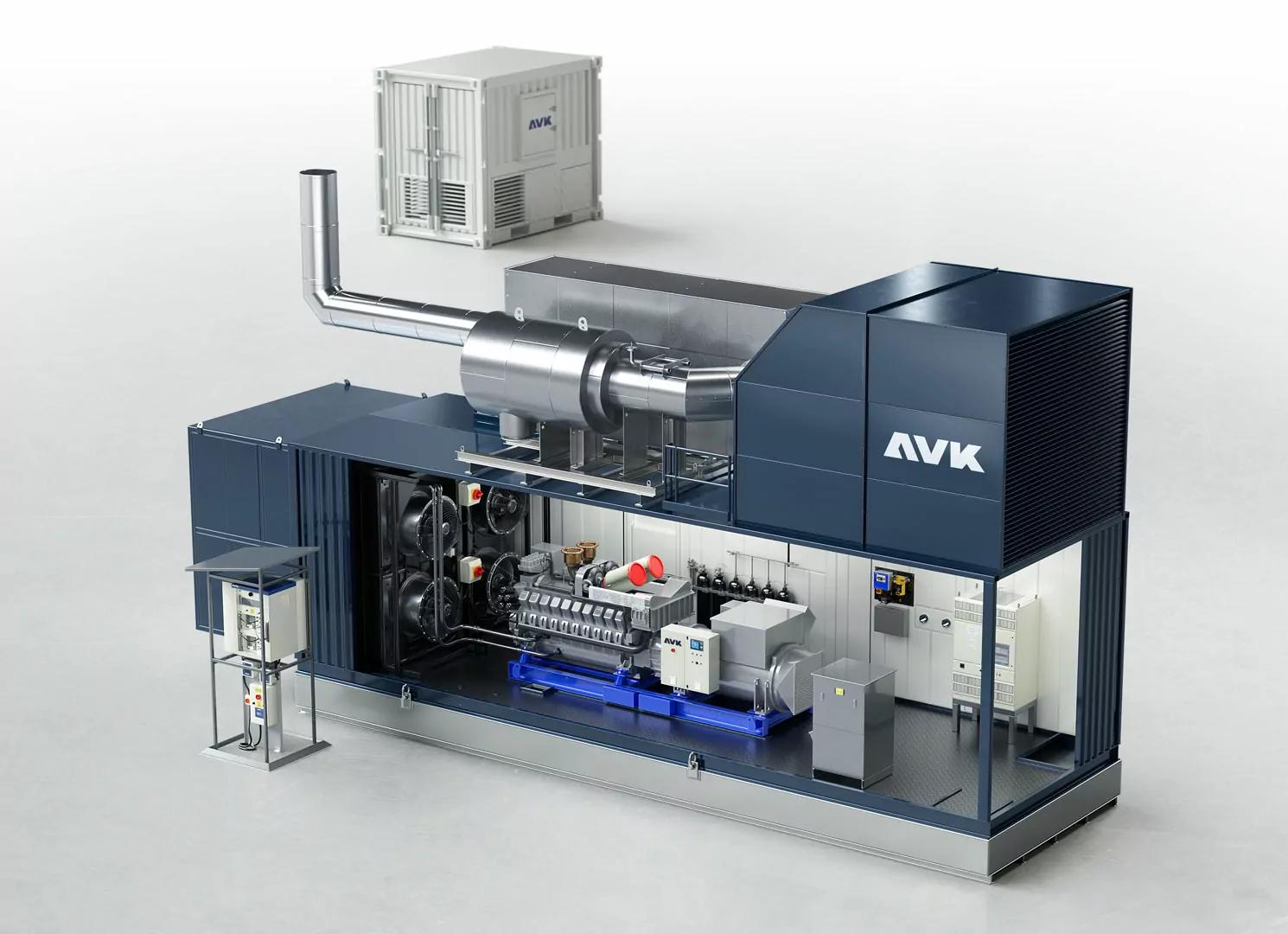
EcoDataCenter in Falun, Sweden, switched from diesel to HVO to power the 32 mtu backup power generator systems—16 more Rolls-Royce gensets are on the way.
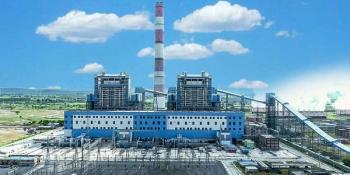
Ohmium, JNCASR, and others are generating green methanol by combining CO2 captured from the Singareni Thermal Power Plant and green hydrogen.
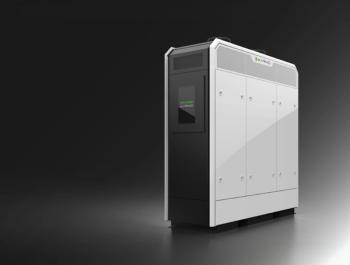
After a successful demo using multiple fuel types, 2024 KARNO generators will service early adopters in EV charging, data centers, waste-gas utilization, and marine power.
The contracts open the door for lower-carbon chemicals exports and the development of storage facilities, tank-to-jetty pipelines, inter-site pipelines, and liquid product storage.

In this episode of the TurboTime podcast, Myth Buster Klaus Brun and Rainer Kurz discuss ammonia.
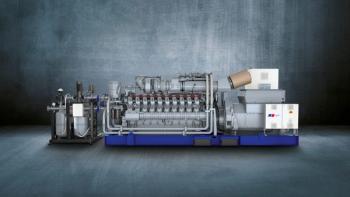
The generator sets will be deployed at five distributed energy sites across Alberta, providing power to the grid during times of peak electrical demand.

Jeremee Wetherby, the Carbon Solutions Director at GE Vernova, offers deeper insights into the benefits of retrofitting carbon-capture systems with an exhaust gas recirculation system.
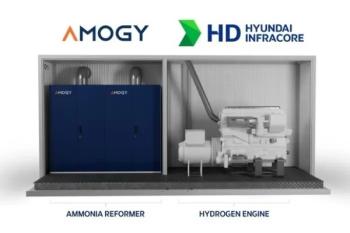
HD Hyundai Infracore, SK Innovation, and Amogy will explore the long-term commercial viability of their combined ammonia-to-power generation system.
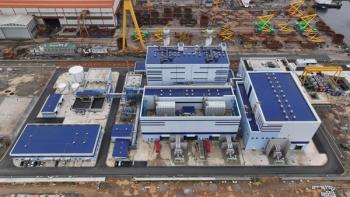
GE Vernova signed a maintenance contract and installed two 7HA.02 gas turbines, one STF-D600 steam turbine, two heat recovery steam generators, and three H65 generators.

Under the joint venture, GLJ will provide consulting services, resource evaluation, and emissions management, and Energy Fuse will contribute its experience in geoscience and engineering.
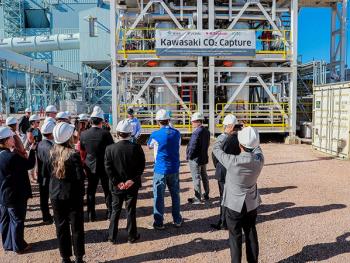
Kawasaki and Low Emission Technology Australia will reduce emissions from the heavy industry by capturing CO2 at the source.
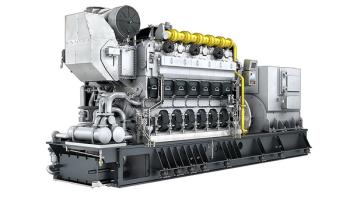
Christian Kunkel of MAN Energy said ammonia integration in four-stroke internal combustion engines is possible with modified injection systems, but its inherent toxicity presents technical challenges for AmmoniaMot 2.
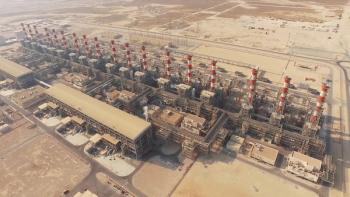
The studies targeted up to 32% by volume hydrogen blending with natural gas and identified modifications to the power generation assets, including exhaust gas recirculation to lower carbon-capture costs.
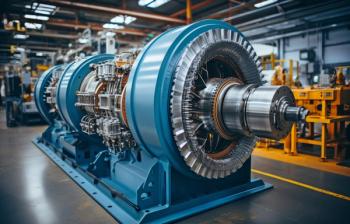
The gas turbine market is stable and will remain so among factors such as hydrogen, digitalization, and renewable energy.
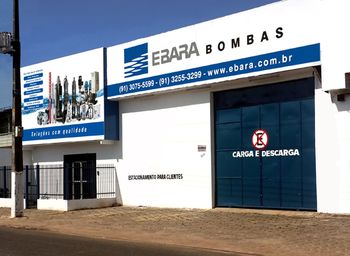
Ebara obtained an additional sales base in Uruguay, capitalizing on a growing South American market for pumps in the agricultural, construction, and industrial sectors.
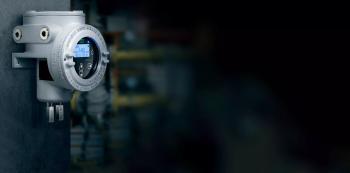
With Safety Integrity Level certification, the XMO2pro analyzer is explosion-proof, flame-proof, and weather-proof with a built-in compact display suitable for tight spaces.
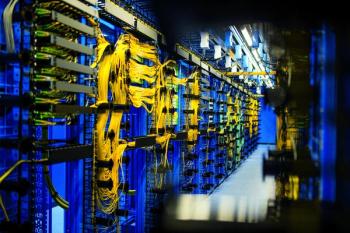
The DCFlex initiative will conduct real-world flexibility demonstrations across data centers and electricity markets to streamline grid integration and manage growing electricity demand.
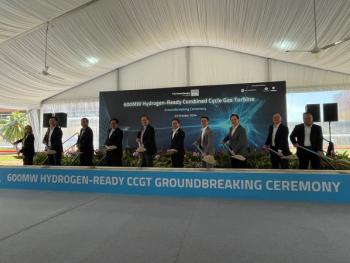
In addition to the hydrogen-capable 9HA.01 gas turbine, GE Vernova will supply an STF-A650 steam turbine, W88 generator, and heat recovery steam generator for the upcoming Singapore-based plant.