
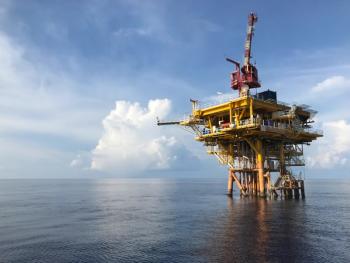
Saipem and Subsea7 are merging to form Saipem7, a new global offshore energy services leader, combining fleets, expertise, and operations across oil, gas, and renewables.
Saipem and Subsea7 are merging to form Saipem7, a new global offshore energy services leader, combining fleets, expertise, and operations across oil, gas, and renewables.
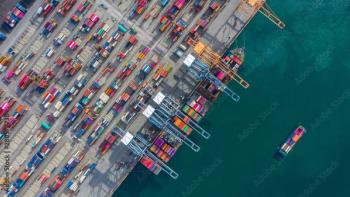
TotalEnergies and CMA CGM establish a 50/50 joint venture to develop LNG bunkering solutions, enhancing the maritime energy transition and supporting decarbonization efforts in global shipping.
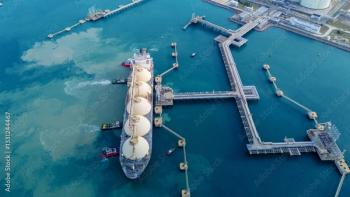
The sales and purchase agreement marks Eni’s first long-term agreement with a U.S. LNG producer.
Myth Busters Klaus Brun and Rainer Kurz discuss how liquefaction works and dive into trends like smaller production facilities.

Chart’s pre-cooled single mixed refrigerant process technology and modular liquefaction solution increase efficiency and lower costs.
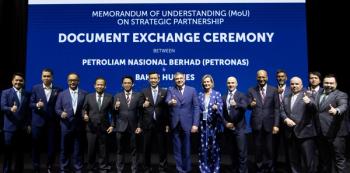
Baker Hughes and PETRONAS will explore implementing enhanced LNG services, mature asset solutions, AI, and CCUS, among other technological solutions.
Industry leaders discuss strategies—collaborating with academia, partners, and networking—to cultivate a skilled workforce and address labor challenges.
Myth Busters Klaus Brun and Rainer Kurz discuss the LNG value chain, where and how turbomachinery fits in, and an overview of the market.
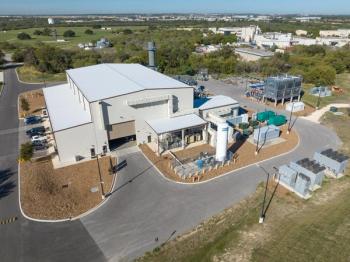
Jeff Moore of SwRI highlights the successful testing of a 10 MWe sCO2 turbine in simple-cycle configuration, initially achieving over 8 MW of gross shaft power and 4 MWe net electric output when synchronized to the grid.
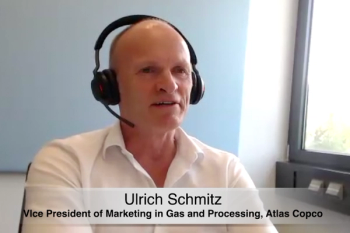
Ulrich Schmitz of Atlas Copco discusses industry challenges and how it’s adapting offerings, leveraging its global presence, and embracing decarbonization and AI.
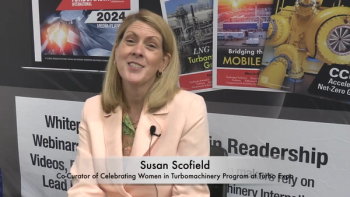
At Turbo Expo 2025, Susan Scofield of Siemens Energy says great role models, mentoring programs, and building networks support women in turbomachinery.
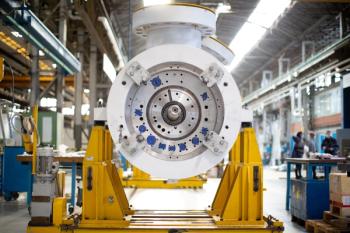
Baker Hughes is set to support Saipem's Eni-led Liverpool Bay CCS Project, enhancing CO2 storage capabilities in the U.K. through advanced compression technology.
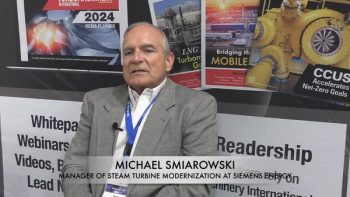
Michael Smiarowski of Siemens Energy says the steam turbine market is managing unprecedented demand, so advanced implementation planning is key.
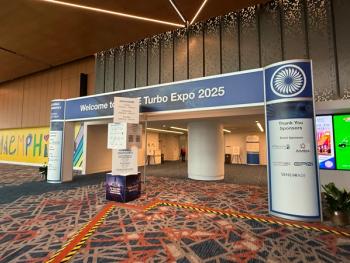
AI is revolutionizing design, manufacturing, and operations while simultaneously advancing decarbonization efforts and addressing workforce development challenges.
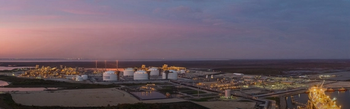
Cheniere Energy greenlights Corpus Christi Midscale Trains 8 & 9 project, optimizes operations, increases LNG supply, and drives substantial financial growth.
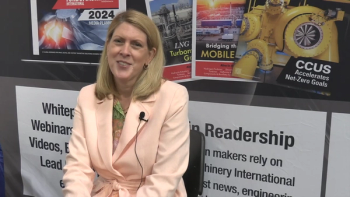
Susan Scofield of Siemens Energy says conferences and dinners like Celebrating Women foster relationships among like-minded men and women in the industry.

Tim Allison of SwRI shares how the institute is working to improve turbomachinery reliability and material compatibility of hydrogen and sCO2 oxy combustion.
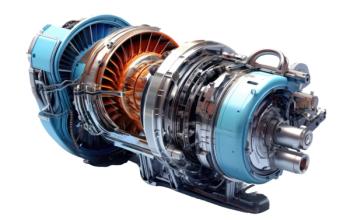
At Turbo Expo 2025, ETN Global says micro-gas turbines must focus on specialized markets, cost reduction, and continued technological refinement to remain competitive.
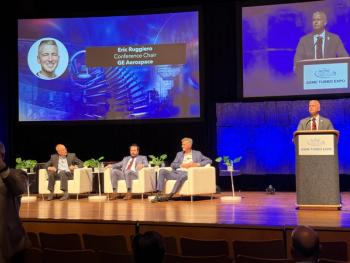
At Turbo Expo 2025, RTX, GE Aerospace, and Siemens Energy share how they are leveraging AI to optimize design, enhance productivity, solve complex engineering challenges, and drive innovation.

ASME's Turbomachinery Technical Conference & Exposition is expecting over 2,500 attendees.

NextDecade and Bechtel Energy finalized two lump-sum contracts totaling over $9 billion for the construction of Trains 4 and 5 at the Rio Grande LNG facility.
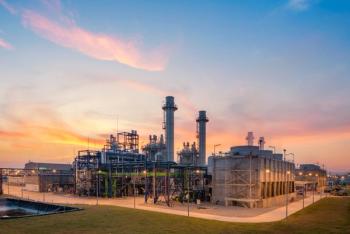
Giuseppe Tilocca of ETN Global shares how the industry is responding to supply chain constraints, shifting policy conditions, and a growing need for dispatchable power.

Meyer Werft selected TMC’s marine compressed air system to supply instrument and service air to the two new 180,000-ton cruise vessels.
Honeywell acquired Sundyne from Warburg Pincus in an all-cash deal for $2.16 billion.
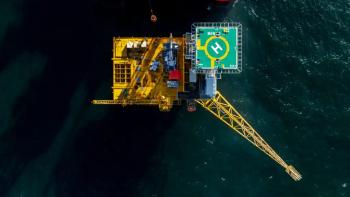
bp received the go-ahead for a major project and exploration access in Azerbaijan, while bpTT announced first gas at Mento.