


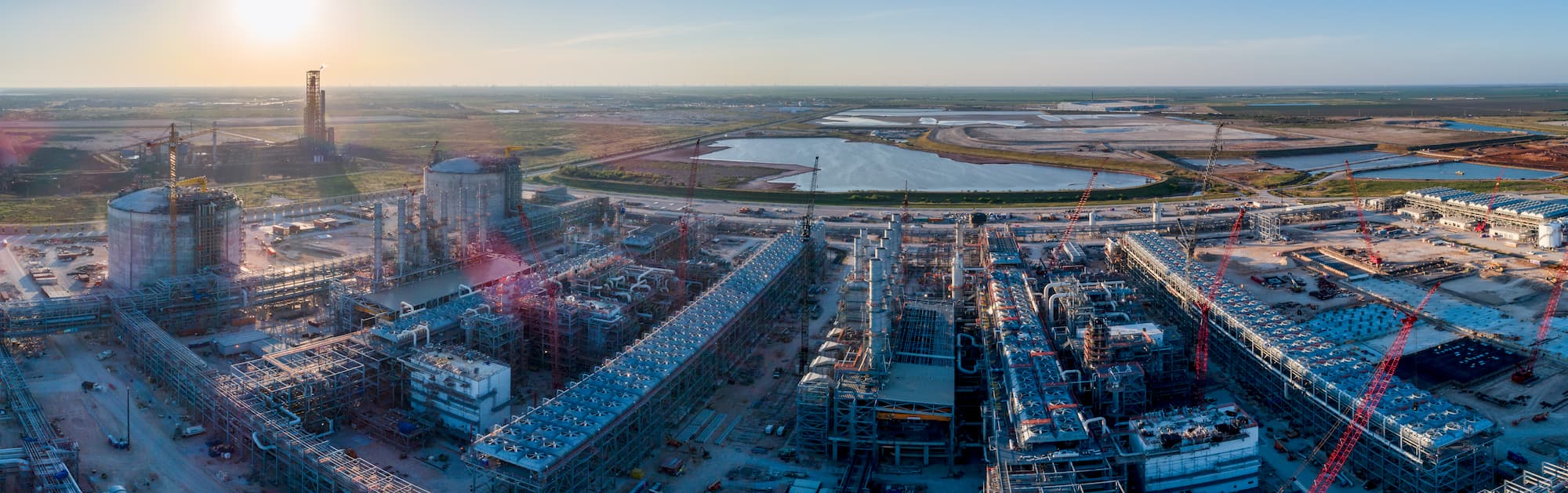

Recently, Chart Industries completed the front-end engineering and design for the nitrogen rejection unit and helium plant.
Recently, Chart Industries completed the front-end engineering and design for the nitrogen rejection unit and helium plant.
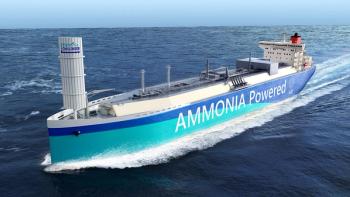
This ship design satisfies Japan’s port entry restrictions at major power plants and ensures compatibility between ammonia loading/unloading terminals and cargo handling connections.
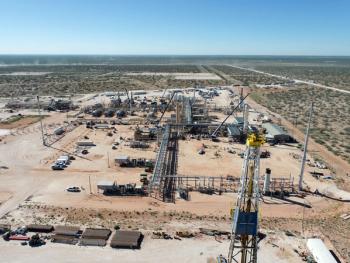
The Phase 1 expansion will increase total treating capacity to 200 MMcf/d, with plans to increase it further to 400 MMcf/d by 2026.
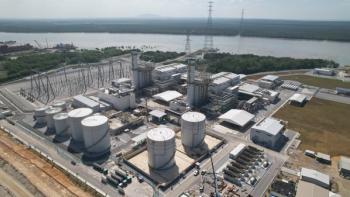
The 1.2-GW Malaysian plant started commercial operation with GE Vernova’s equipment and control system software.
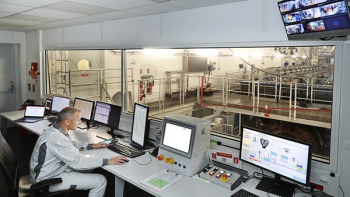
David Valette of MAN Energy Solutions says its Multi Fluid Monitor works in tandem with laboratory oil analysis and traditional detection systems.

Adolfo Delgado of Texas A&M’s Turbomachinery Laboratory says component-level testing and development have significant impacts on the industry as a whole.
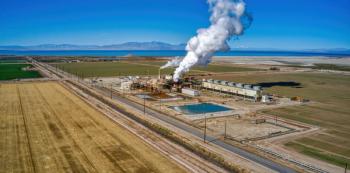
Baker Hughes submitted its solution to the Tradewinds Solutions Marketplace and can now develop geothermal plants for baseload power.
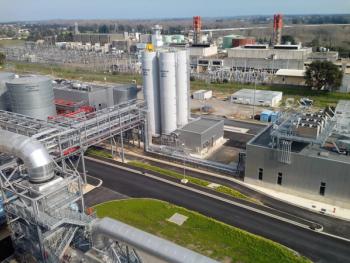
The contract represents over 100,000 hours of annual maintenance executed by a 30-person team, so EDF PEI can achieve 95% availability on power assets.
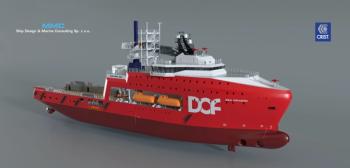
The Sea Dragon will conduct a range of operations, including gas crew changes, drilling support, field-safety standby, emergency towing, and ice management.
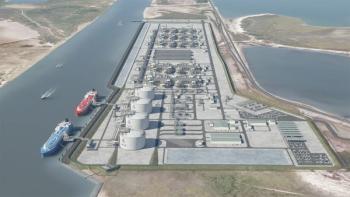
Once NextDecade permits, constructs, and operates Trains 6 through 8, the total liquefaction capacity will increase by approximately 18 MTPA.
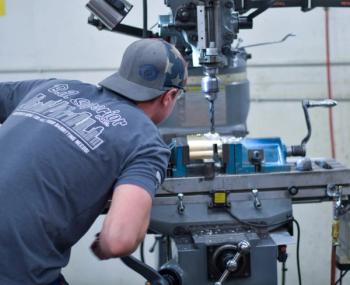
The acquisition will expand the range of high-performance components, shorten lead times, and offer greater service flexibility for customers in critical industries.
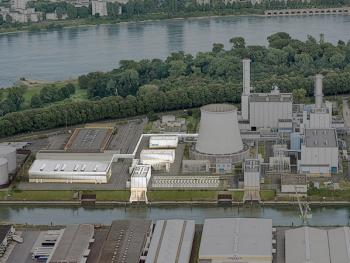
Preparatory construction work is underway next to the Niehl harbour basin, where Rhine water will be extracted to serve as the plant's environmental energy source.
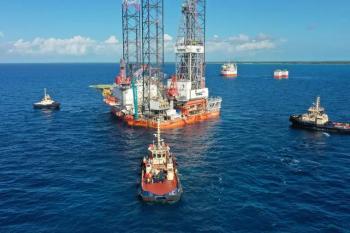
The company plans to tie back the discovery to bp’s operated West Nile Delta Gas Development project, which includes the Raven and El King-2 gas wells.
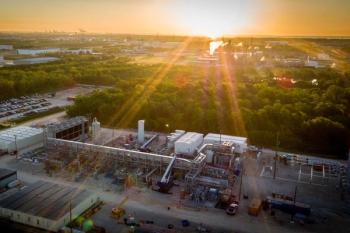
The Net Power platform will use lessons learned from the development and testing at Net Power’s demonstration facility and the company’s power plant.
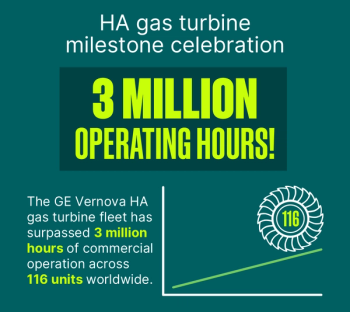
The transition from coal, increased electrification, and rise of AI computational demand may allow the turbine fleet to achieve 10 million hours of cumulative runtime.
Electrolysis-generated green hydrogen will be converted into e-methane, allowing the fuel to integrate within current natural gas infrastructures.
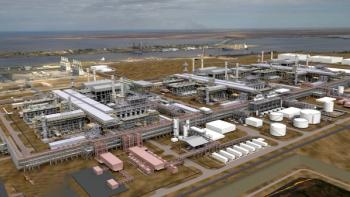
The issuance to Golden Pass marks the Department of Energy’s third LNG-related approval since the new administration took office, with Commonwealth and JAX LNG certified prior.
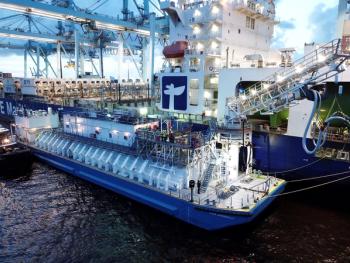
The prior administration’s order issued to JAX LNG asserted new oversight for the use of LNG to power marine vessels, also known as LNG bunkering.
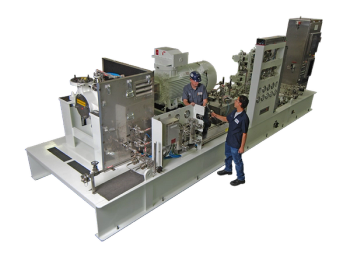
The Honeywell Forge software platform will enable the digitalization of Sundyne's equipment, improving reliability and predictive maintenance operations.
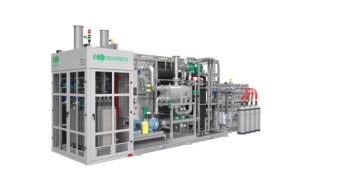
This partnership follows the commissioning of GAIL's green hydrogen plant, in which Accelera supplied a 10-MW proton exchange membrane electrolyzer system.
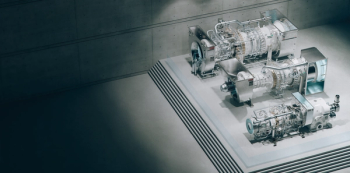
The company will deliver CO2 compression and monitoring technologies for the Sweetwater Carbon Storage Hub and gas turbines for power generation applications.
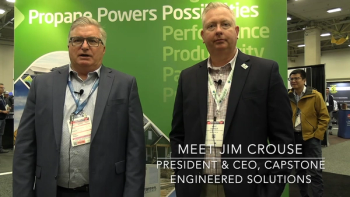
Bert Warner of the Propane Education & Research Council identifies three growth opportunities for propane: portable power generation, EV charging, and combined heat-and-power.
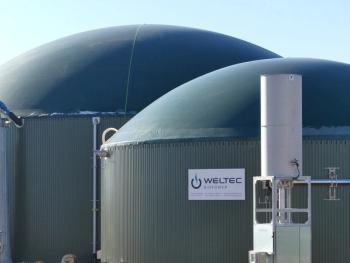
The company designed and supplied digesters, a prefabricated containerized pump-block system, heating and boiler containers, and a prefabricated factory-tested control container.
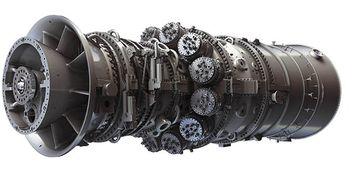
Initially, the venture will advance four natural gas, combined-cycle power plant projects totaling over 5 GW in the ERCOT & PJM markets.
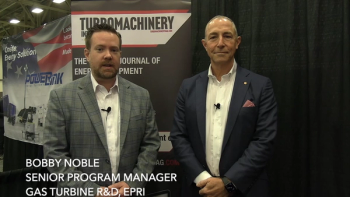
Bobby Noble of EPRI says gas turbines are “well sought after” thanks to data center power demands and shifts in the energy portfolio mix.