

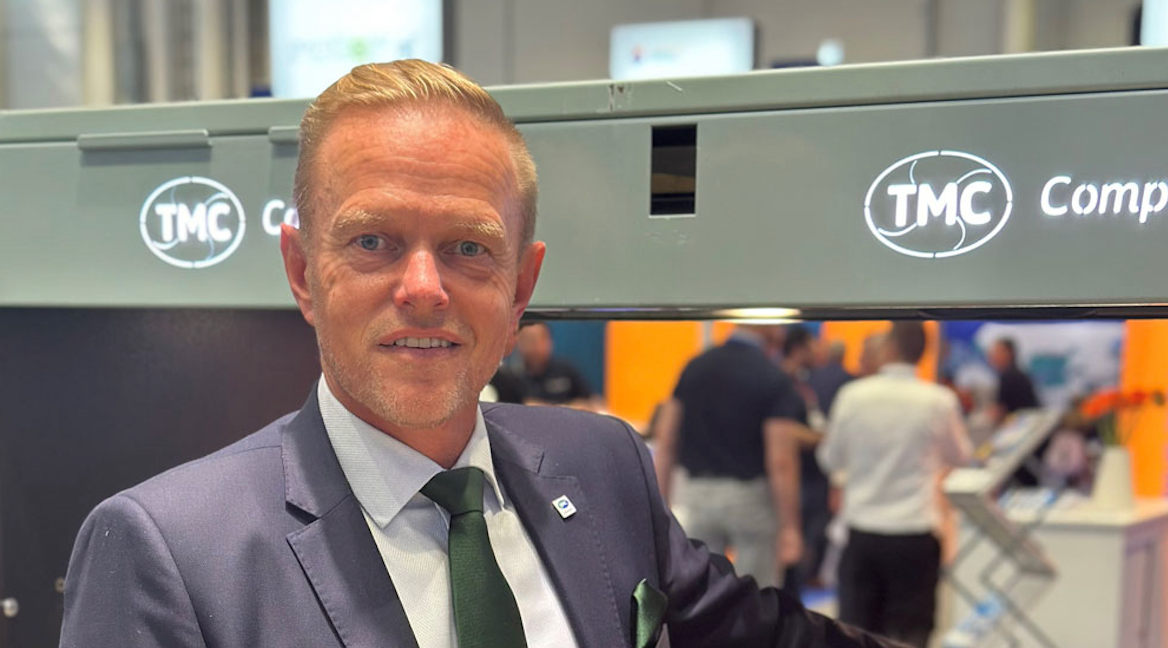
Midhat Mirabi of GE Vernova says mobile power stabilizes the grid to support renewable integration and delivers a sustainable energy solution for island power systems.
Midhat Mirabi of GE Vernova says mobile power stabilizes the grid to support renewable integration and delivers a sustainable energy solution for island power systems.
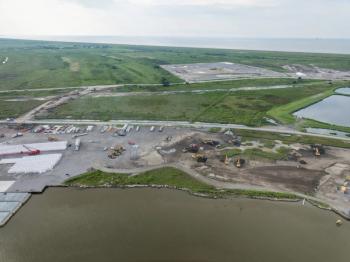
CP2 is its third facility built in the last five years and, upon completion, will position Venture Global as the largest U.S. LNG exporter, according to the company.
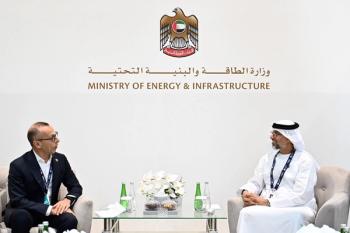
GE Vernova and Ansaldo Energia announced major energy projects in Saudi Arabia and the UAE, reinforcing the Middle East's push for energy security and sustainability.
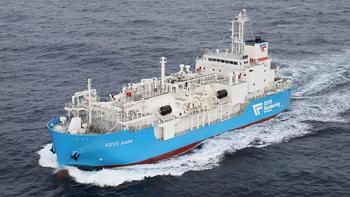
The initial performance confirmed a methane oxidation rate of 70% or higher, significantly reducing GHG emissions from marine vessels.
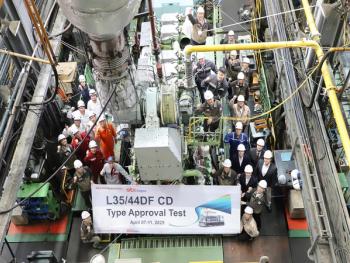
The MAN 35/44DF CD can reduce methane slip by up to 85% compared with industry standards and offers 16% greater output than competitors.
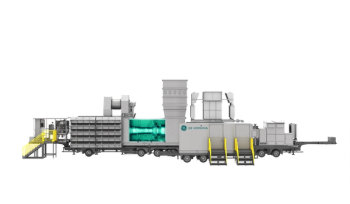
The trailer-mounted solution will deliver fast, reliable power to the Caribbean to avoid power outages and stabilize the grid.
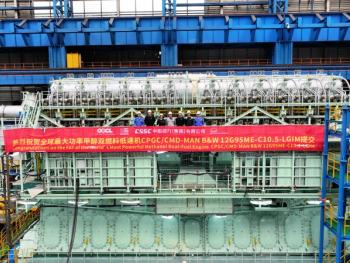
MAN Energy Solutions will deliver its MAN B&W 12G95ME-C10.5-Liquid Gas Injection Methanol engine for 12 new container vessels next month.
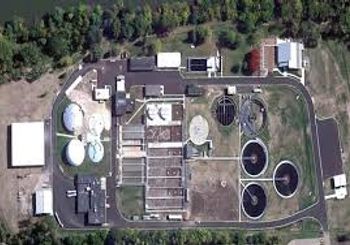
The microturbines will operate in a combined heat-and-power configuration, generating electricity for a wastewater treatment facility in Wisconsin.

The perfection trap is just that: a trap—and often a costly, inefficient trap that leads to delays and even diminished operational flexibility.
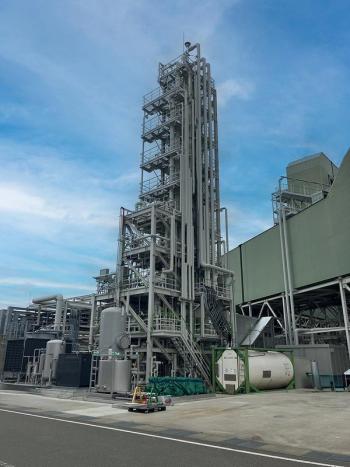
The Kansai Mitsubishi CO2-recovery process extracts carbon from flue gas at the Himeji plant, and the ΣSynX Supervision remote monitoring system collects pilot data.
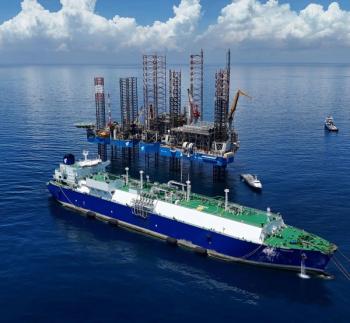
The floating storage and regasification unit will begin executing LNG regasification services at the LNG terminal in the Port of Pepillo Salcedo in September 2025.
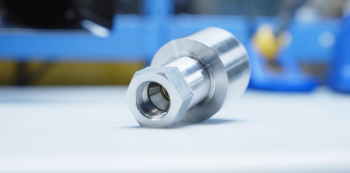
The Flame Tracker Increased Low Gain is more sensitive to low-light environments, allowing it to quickly identify flames and trigger shutdown to prevent damage or explosion.
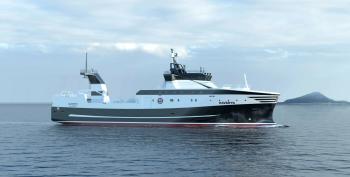
The marine compressed air system, equipped with Smart Air compressors and air dryers, will allow the VARD 8-02 trawler to operate with improved fuel economy.
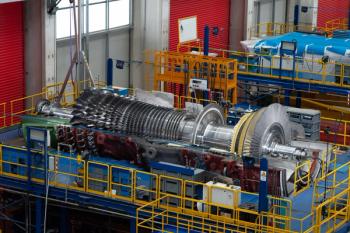
Stefano Gianatti of Ansaldo Energia says installing baseload flexible generation is key to supporting European countries struggling with renewable energy intermittency.
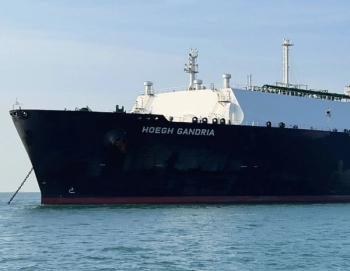
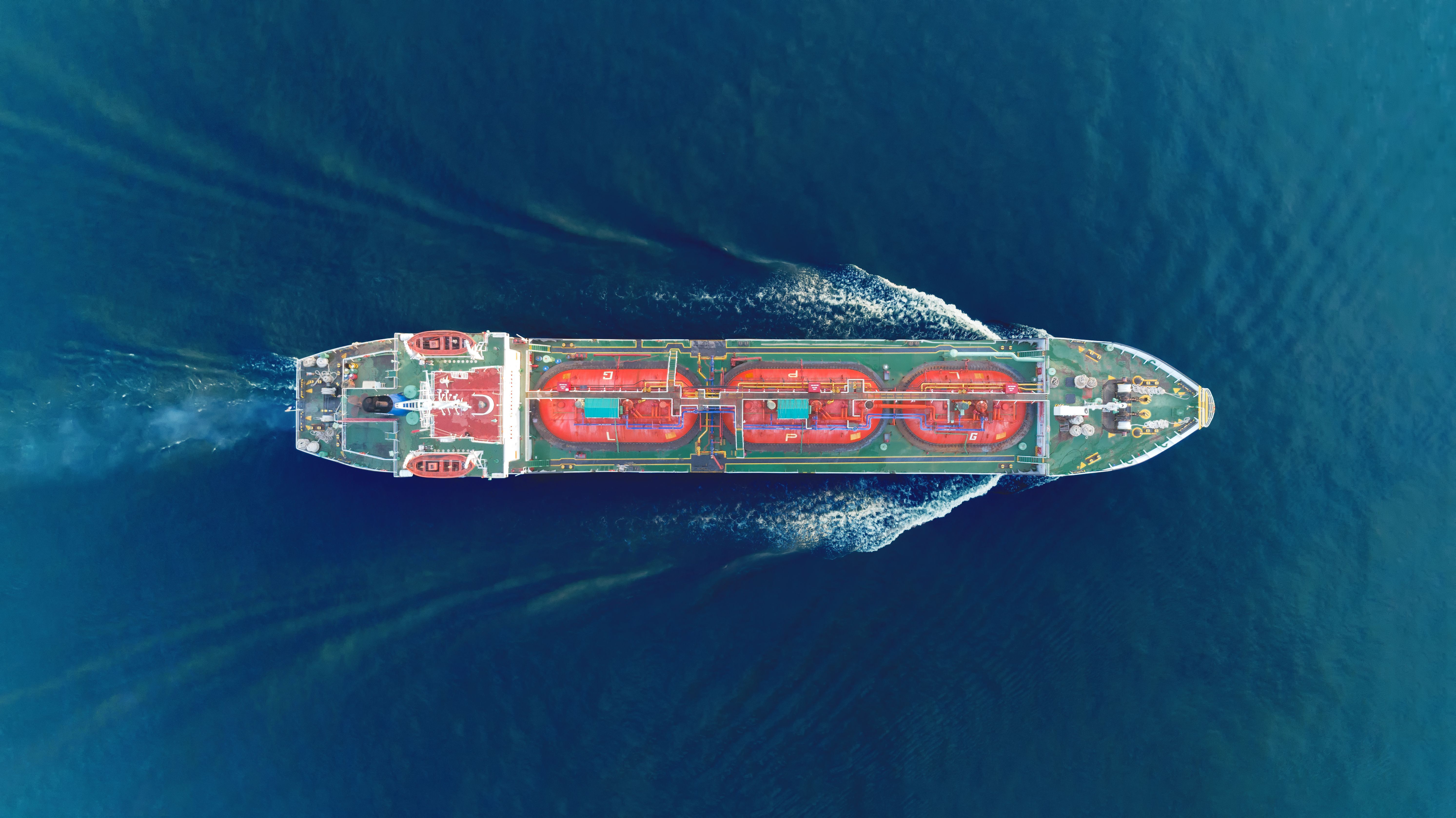
The floating storage and regasification unit will supply up to 1,000 mmscf/day of LNG regasification capacity in Egypt, while its predecessor is shipped to Australia.
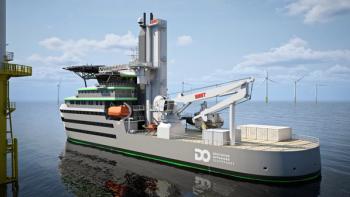
The engines will be part-load optimized in a diesel-electric configuration for improved fuel efficiency.
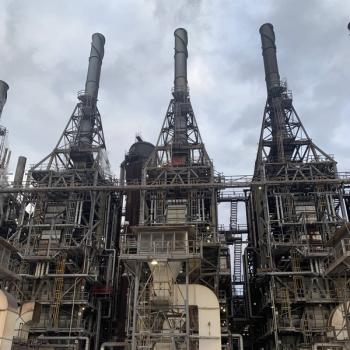
Marubeni Corp. will offtake approximately 250,000 tons of low-carbon ammonia per year to supply Kobe power plant with co-firing capabilities.

The Turbomachinery News Network, for the week of May 5, 2025, covers news from Rotating Machinery Services, Rolls-Royce, Ansaldo Energia, and Bosowa Energy Group.
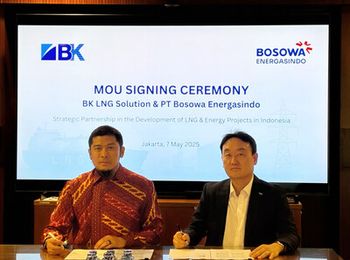
The partnership includes LNG supply-chain integration, FSUs development, natural gas power generation, downstream energy applications, and more.
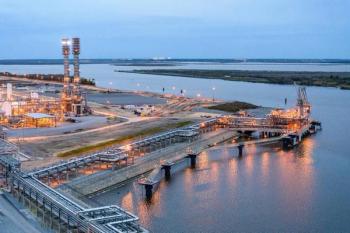
The large-scale Asian buyer will obtain 1 MTPA of LNG over a 20-year term from the 9.5 MTPA LNG liquefaction and export facility in Cameron, LA.
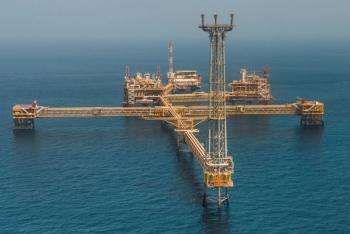
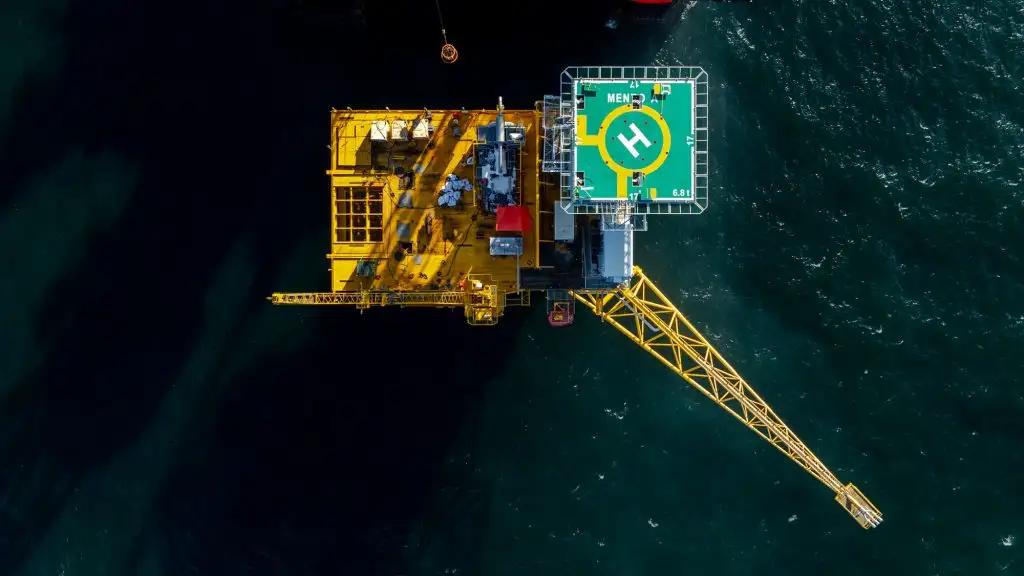
Technip Energies’ design includes large-scale offshore platforms, flare platforms, connecting bridges, and related infrastructure.
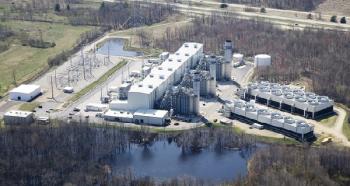
The upgrades will improve electricity output, response time, fuel efficiency, and more as Michigan enters its summer peak-generation period.
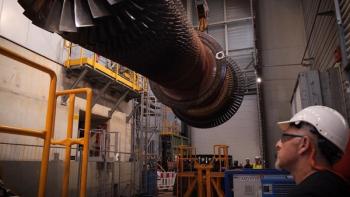
Ansaldo Energia’s MXL3 upgrade lowers emissions by up to 20%, boosts power output and efficiency, and enables 45% hydrogen co-combustion on its GT26 gas turbine.
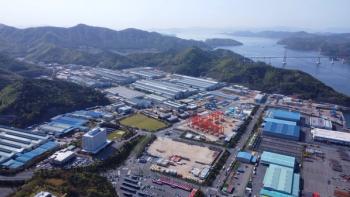
Doosan and HD Hyundai Marine Engine will develop precision casting manufacturing technology and prototype blade materials for gas turbines.
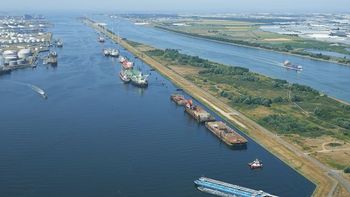
Maaike Grevelink of the Port of Rotterdam Authority discusses the recent ammonia bunkering pilot’s significance for ship-to-ship transfers, safety, and potential hydrogen transport.