
Oil & Gas
Latest News
Advertisement
Latest Videos

Shorts
Podcasts







Advertisement
More News

DOE offers up to $65.5M for cost-shared R&D boosting oil and gas infrastructure—new opportunities for compressors, pumps, and reliability tech.
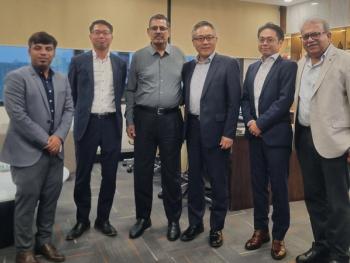
Ebara Elliott Energy wins major Middle East gas project deal, supplying nine high-pressure centrifugal compressor trains for L&T with phased delivery.

A structured process control redesign eliminates five recurring nuisance-trip causes on a 500 HP water injection pump, clearing the way for full automation.
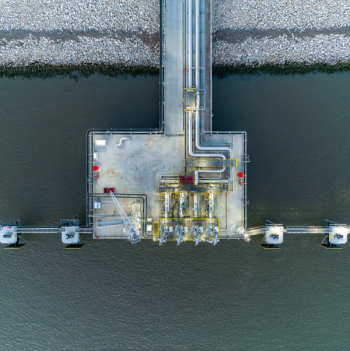
Baker Hughes wins CP2 LNG expansion order, delivering six SMR liquefaction blocks and compressors to scale U.S. Gulf Coast exports.
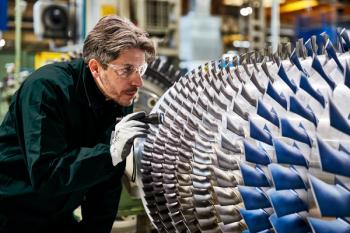
Record IET orders fuel Baker Hughes’ $37B backlog as LNG liquefaction and data-center power turbine demand accelerates, reshaping supply chains.
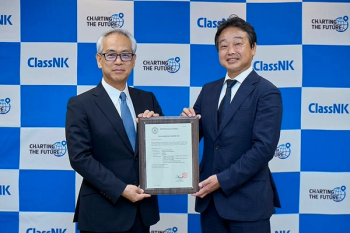
Ebara earns first marine type approval for liquid hydrogen cargo pumps, accelerating LH₂ shipping projects with certified, safer cryogenic equipment for next-generation carriers.
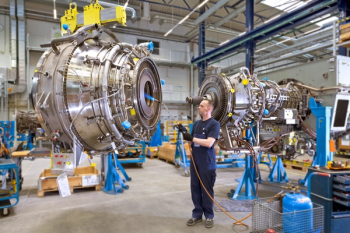
MTU Maintenance signed an exclusive five-year MRO contract with Petrobras covering 10 LM6000 industrial gas turbines and three hot sections in Brazil.

Siemens Energy is rebranding as Omterra, unifying its gas turbine, compressor, and Siemens Gamesa wind portfolios under one corporate identity.
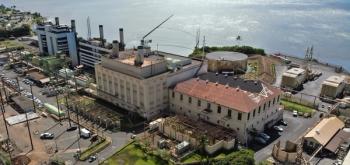
HECO swaps aging oil steam units for fast-start LM6000VELOX turbines at Waiau, adding 250MW firm capacity and boosting renewables reliability.
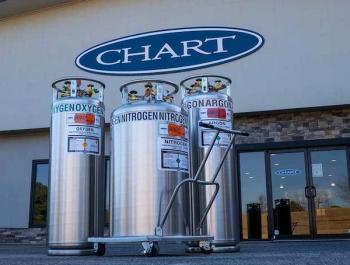
Baker Hughes completes its Chart Industries acquisition, forming a new industrial segment with expanded capabilities in LNG, hydrogen, and thermal management.
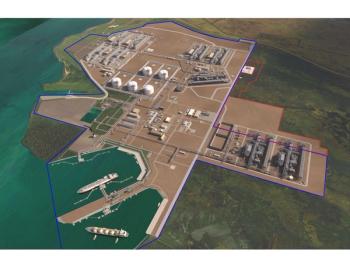
Baker Hughes secured three contracts for Cheniere's Sabine Pass LNG expansion, covering Train 7 equipment, BOG re-liquefaction, and fleet-wide turbine upgrades.
Baker Hughes will support NLNG Train 7 turbomachinery with a 13-year service deal covering gas turbines, compressors, and monitoring.
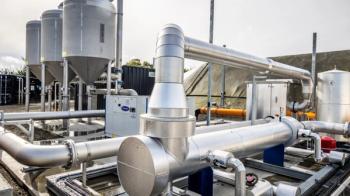
Turbomachinery professionals should expect methane performance, MRV compatibility, and contract-grade emissions documentation to become increasingly important in equipment specifications, aftermarket service scopes, and long-term maintenance strategies.
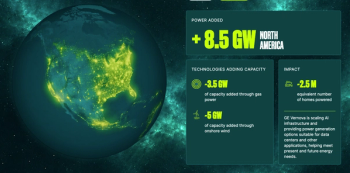
GE Vernova’s 2025 sustainability results highlight major emissions cuts, 26 GW new capacity, hydrogen/ammonia turbine progress, SMR licensing, CCS buildout, and grid upgrades.
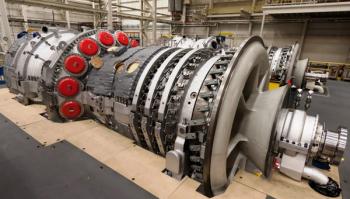
The Merom simple-cycle natural gas project in Indiana becomes one of the first large-scale power development deals to be built around secondary-market turbine procurement — a direct response to OEM delivery windows now stretching to 2030.
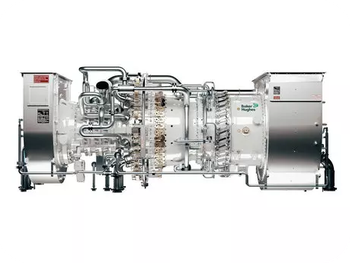
Baker Hughes' NovaLT 16 gas turbine has received RINA Type Approval for marine propulsion, covering operation on natural gas and up to 100% hydrogen.
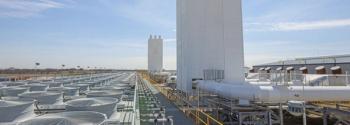
Accelleron’s Turbo SmartCare pact keeps Denton Energy Center’s gas peakers ready with condition-based monitoring that reduces outages and costs.
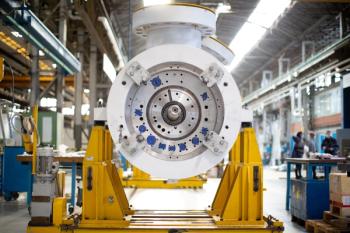
Baker Hughes Chairman and CEO Lorenzo Simonelli outlined a decade-long growth cycle for industrial energy centered on turbomachinery, LNG, and AI data center power, highlighting the company’s shift toward industrial energy technology.
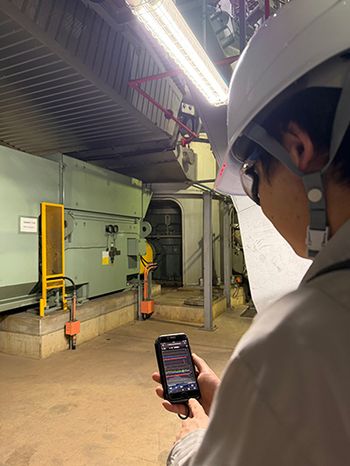
System users can evaluate operating conditions and efficiently consider improvements, contributing to stable power plant operation and operational advances at Kobelco Power.
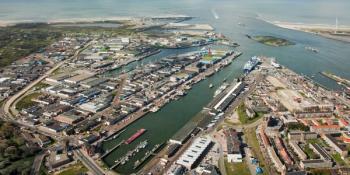
The companies will advance the realization of international liquefied hydrogen supply chains across Europe and Asia, contributing to global decarbonization and energy security.

Growing orders for Mk10.7 two-stroke engines reflect a market preference for dual-fuel readiness without locking vessels into a single decarbonization path.
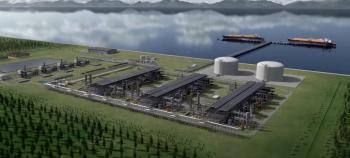
Following this agreement, Alaska LNG has now entered contracts with major North Slope producers: ConocoPhillips, ExxonMobil, Hilcorp Alaska, and Great Bear Pantheon.
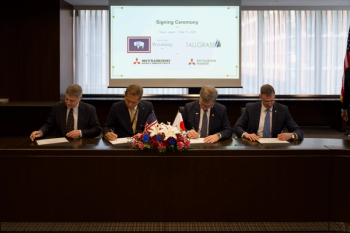
The Cheyenne Power Hub’s use of dedicated power will avoid strain on the existing electricity grid and will ensure that local ratepayers aren’t responsible for data center demand.

The transformation demonstrates Capstone’s expansion into markets where power resiliency, thermal efficiency, and grid constraints are becoming increasingly important considerations.
Industry leaders converged as the 2026 event kicked off with a keynote address that put global energy investment, supply challenges, and the evolving offshore technology landscape in focus.
Advertisement
Advertisement