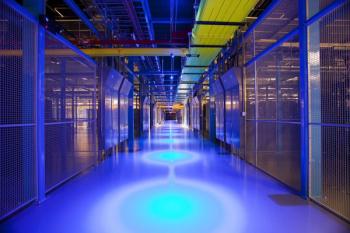
Fuel cells allow Equinix to generate on-site power at its data centers, with almost no air pollution or water usage compared to typical grid-delivered energy.
Fuel cells allow Equinix to generate on-site power at its data centers, with almost no air pollution or water usage compared to typical grid-delivered energy.
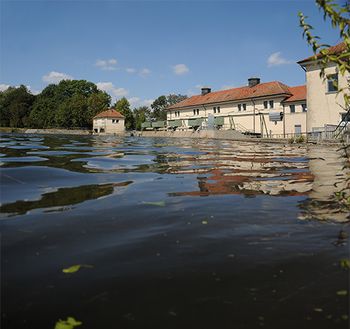
The company is working with partners to increase the feed-in of renewable electricity for the Friedrichshafen, Augsburg, and Aiken/USA plants and their local grids.
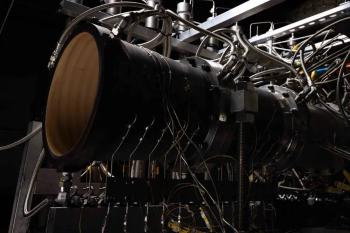
With the detailed design review complete, GE Aerospace will execute a contract to procure, assemble, and test a XA102 full-scale demonstrator engine.
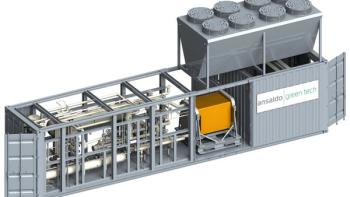
The IANUS project will also expand research laboratories and develop modular electrolyzers for large-scale, multi-MW industrial applications.
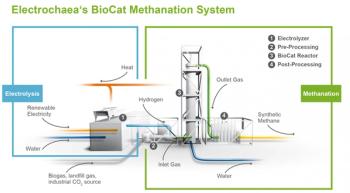
The deployment of Electrochaea´s technology will support Japan’s climate goals to achieve 5% carbon-neutralized gas via the injection of 1% synthetic methane by 2030.
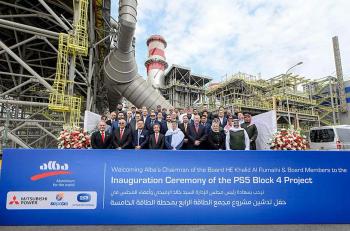
The M701 JAC gas turbine represents the first deployment of this technology in a Middle Eastern aluminum smelter, contributing to Aluminum Bahrain’s decarbonization goals.
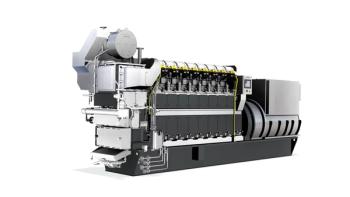
The port fuel-injection methanol concept makes the 21/31DF-M medium-speed, small-bore engine suitable for genset and diesel-electric propulsion applications.
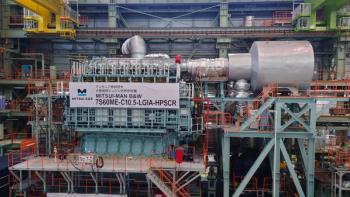
The test phase will also verify the safety and performance of MITSUI E&S’s ammonia fuel-supply system and peripheral systems.
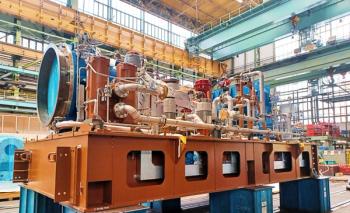
The Pierrefonds waste-to-energy plant, using a 19-MW steam turbine, will process up to 148,000 tons of waste and generate 121,000 MWh of electricity annually.
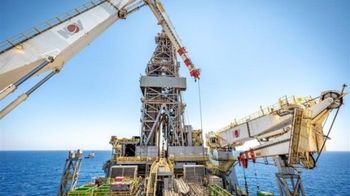
The Raven Field’s initial phase developed eight subsea wells, located up to 65 km offshore, at water depths ranging from 550 to 700 meters.
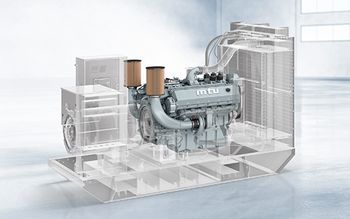
The engines and associated cooling systems will be available for purchase by independent OEMs for integration into their own genset designs.
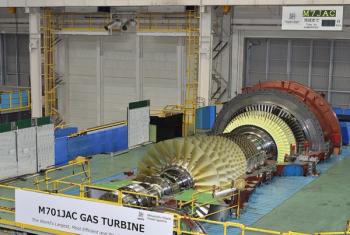
Once operational, the plant's two gas turbines will generate a combined 990 MW, representing nearly 7% of Morocco's national grid capacity.

Integrating CFD analysis software into blade design software increases time-to-market.
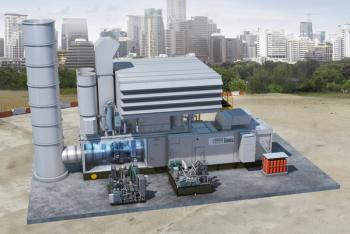
The 52-MW Bushy Park combustion turbine facility in South Carolina commercially operated with the LM6000 gas turbine and generator on Nov. 1.
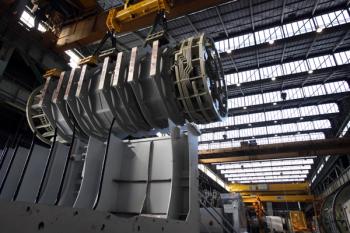
Ansaldo will design, supply, commission, maintain, and service its five 250-MVAR synchronous condensers.
POWERGEN International 2025 spotlights its reoccurring theme: Destination 2050.
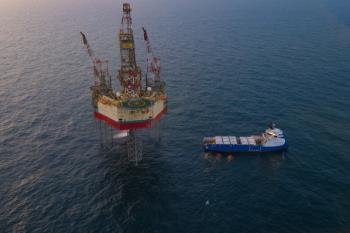
INEOS, Royal Wagenborg, and Royal Niestern Sander shipyard will develop a liquefied CO2 carrier, expected to enter service by year-end 2025.
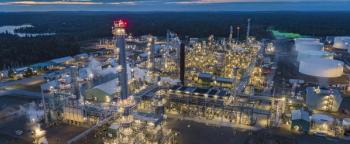
The facility includes existing dock infrastructure and onsite tankage with an LNG storage capacity of 107,000 m3.
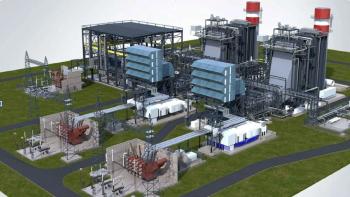
The combined-cycle power station will feature two Siemens Energy SGT6-9000HL high-power-output gas turbines with hydrogen adaptability.
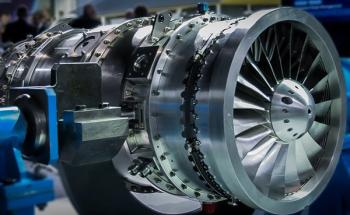
The project team identified which Royal Air Force Tornado components can be atomized into powders for additive manufacturing to make new engine parts.
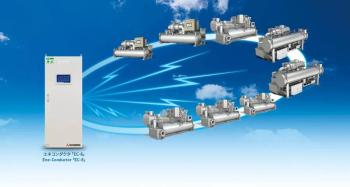
The EC-8 control system uses the BACnet protocol and Modbus to enable communication and information exchange between machines and sensors.
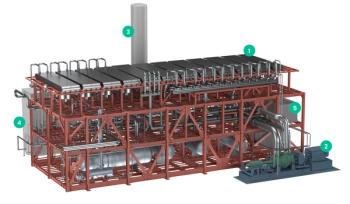
The company will deliver gas compression trains, propane compressors, liquefaction trains, and a power island to the Jafurah Gas Field and Plaquemines LNG.
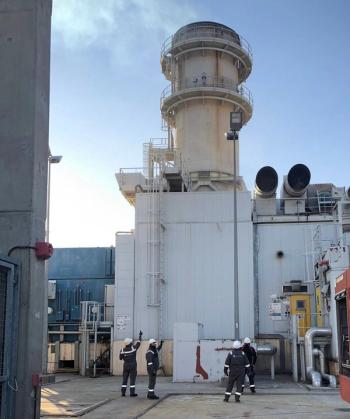
GE Vernova installed advanced gas path upgrades on 9.E gas turbines and MXLII upgrades on 13E2 gas turbines, increasing power output up to 6%.
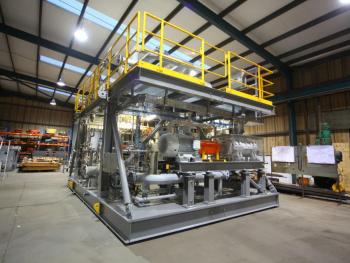
Roots Blowers Systems manufactures displacement blowers engineered to deliver a steady volume of air with each rotation.

In his opening keynote, Lorenzo Simonelli, CEO of Baker Hughes, echoed the theme of an “affordable, sustainable, and secure” energy landscape.
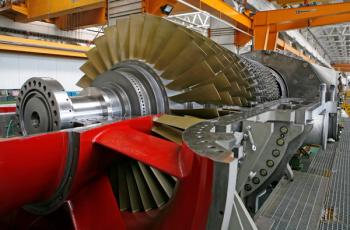
The simple-cycle, bio-fueled station will be powered by Ansaldo’s AE94.3A turbine.
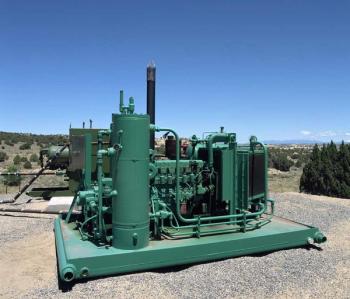
Arrow Engine distributes natural gas-powered engines through a global distribution network, with primary focus on the United States and Canada.
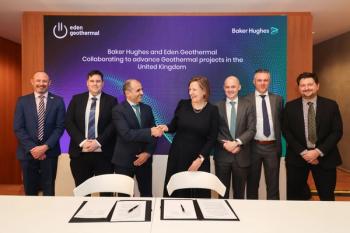
During its Annual Meeting, Baker Hughes signed agreements with Eden Geothermal, PETROVIETNAM, Microsoft, and NNPC/FIRST E&P.
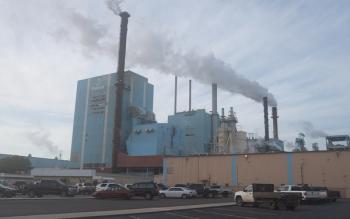
The company’s modular capture plant design reduces capital costs, minimizes the impact on existing factory operations, and easily facilitates integration with pulp mills.

At Baker Hughes Annual Meeting 2025, the company announced partnerships to support LNG, ammonia, and offshore greenfield developments.