
Feature|Videos|November 11, 2026
OEM vs. Non-OEM Compressor Parts: Weighing Cost, Risk, and Lead Time
Key Takeaways
- Learn why a lower-cost non-OEM part can end up costing more over the equipment's lifetime.
- Discover why lead times on some forged compressor components now stretch into years, not months.
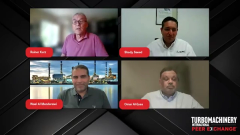
Shady Saeed and Wael Al Mandarawi debate one of the most contentious calls in rotating equipment: OEM parts or a non-OEM alternative.
Advertisement
Episodes in this series
Sponsored by FS-Elliott
Few topics spark more debate among rotating equipment professionals than OEM versus non-OEM parts. Shady Saeed lays out the case for genuine OEM components: while they can cost more upfront, non-OEM parts are typically reverse-engineered without the original engineering intent behind material selection and design, and tend to fail later (sometimes 6 to 18 months in), causing more expensive, cascading damage when they do.
Wael Al Mandarawi counters with the operational reality plants are up against: lead times on some forged components now stretch to years, not months, pushing his organization toward alternative sourcing and even 3D-printed parts for select applications. He argues that the market and OEMs need to adapt as non-OEM suppliers close the technology gap.
For anyone managing a spare parts strategy, this episode weighs the real trade-offs between upfront cost, availability, and long-term reliability.
Advertisement
Related to this article
GE Vernova says the LM2500XPRESS aeroderivative package has been validated on blends of up to 50% hydrogen and the LM6000VELOX package has been tested on 100% hydrogen at its new Greenville, S.C., test facility.
Mee Industries CEO Thomas Mee III explains how wet compression differs from inlet fogging, what it costs compared with a new turbine and how it can help plants meet capacity commitments.
Baker Hughes reported a record $39.4 billion IET backlog in Q3, with gas technology equipment orders up 43%, and raised its full-year IET order guidance.

Mitsubishi Power Americas will add 450,000 square feet and more than 220 jobs at Savannah Machinery Works in Georgia as demand for advanced-class gas turbines grows.
GE Vernova grew gas equipment backlog and slot reservations from 116 GW to 122 GW in Q3, expects at least 130 GW by year-end, raised 2026 guidance and agreed to buy Trench Group for $9 billion.
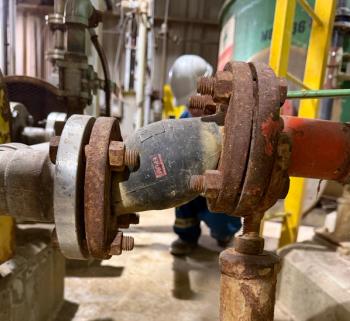
A review of inspection practices, common failure modes, and maintenance planning for rubber expansion joints in power plant piping systems.
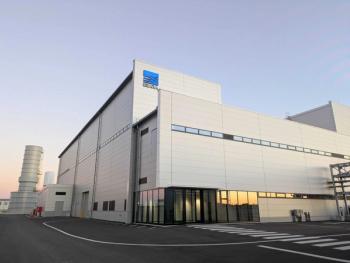
Ebara Elliott Energy Opens Liquid Hydrogen Pump Test Center and Cryogenic Manufacturing Hub in Japan
Ebara Elliott Energy opened its Futtsu No. 2 District in Japan, combining a liquid hydrogen pump test center and a cryogenic equipment plant on one site.

The motor-driven compressor package targets a 1,500 t/day green ammonia facility in India, with delivery in late 2027 and commissioning in 2028.
Advertisement
Advertisement