

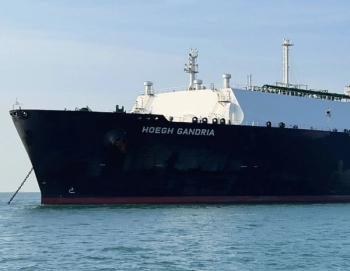
The floating storage and regasification unit will supply up to 1,000 mmscf/day of LNG regasification capacity in Egypt, while its predecessor is shipped to Australia.
The floating storage and regasification unit will supply up to 1,000 mmscf/day of LNG regasification capacity in Egypt, while its predecessor is shipped to Australia.
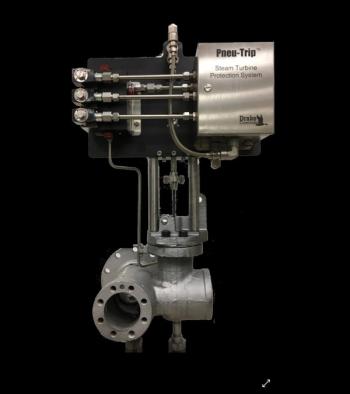
Drake Controls has locations in the United States and Mexico, allowing Score to grow its intelligent control platform for turbines, compressors, and more.
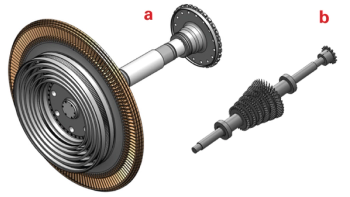
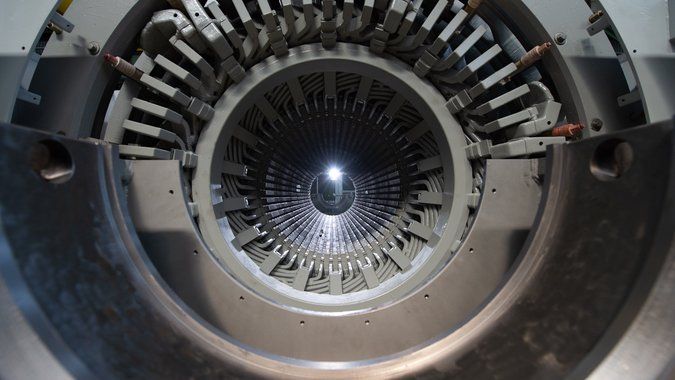
Exergy International developed a high-speed axial turbine for waste heat recovery in organic Rankine cycle power plants.
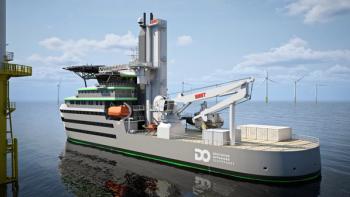
The engines will be part-load optimized in a diesel-electric configuration for improved fuel efficiency.
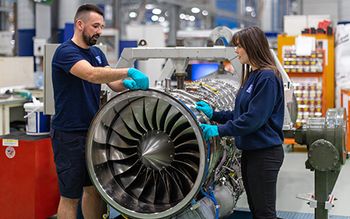
The five-year support agreement covers 130 EJ200 aero engines and will be executed at Rolls-Royce’s research, development, and manufacturing headquarters in Bristol.
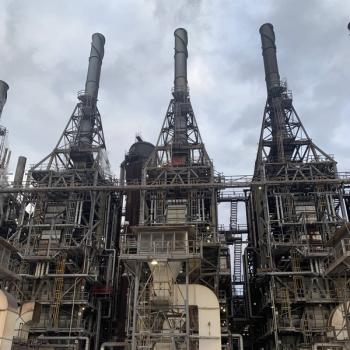
Marubeni Corp. will offtake approximately 250,000 tons of low-carbon ammonia per year to supply Kobe power plant with co-firing capabilities.
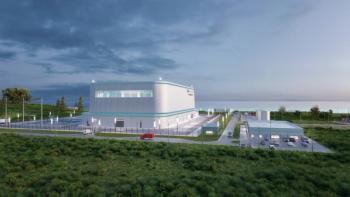
Ontario Power Generation’s Darlington site will host the first small modular reactor constructed in the Western Hemisphere.

The Turbomachinery News Network, for the week of May 5, 2025, covers news from Rotating Machinery Services, Rolls-Royce, Ansaldo Energia, and Bosowa Energy Group.

The maintenance, repair, and overhaul shop will handle approximately 200 annual visits, primarily servicing large-scale Trent civil engines for Airbus aircraft.
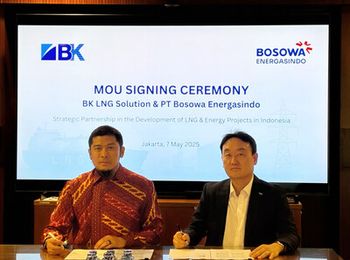
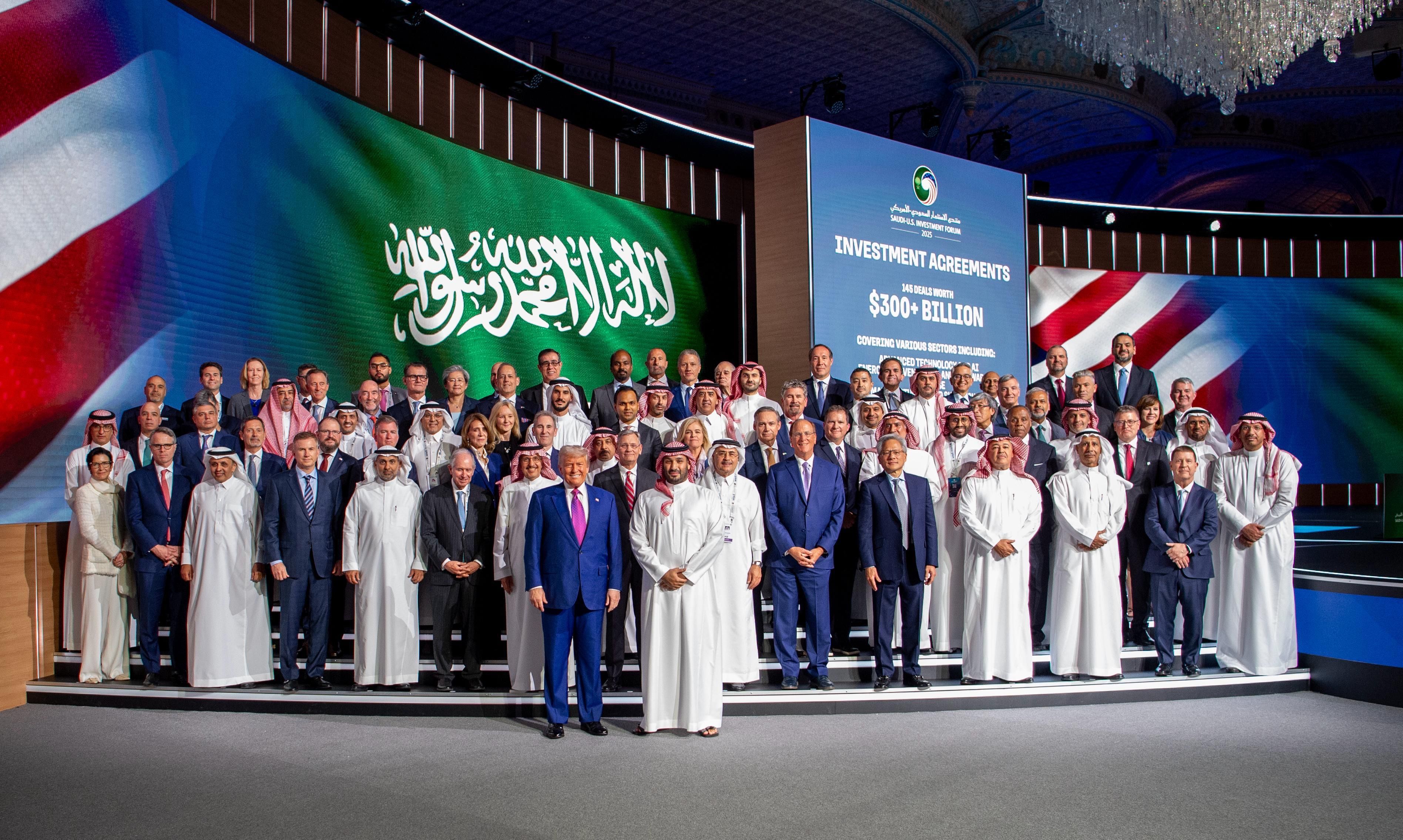
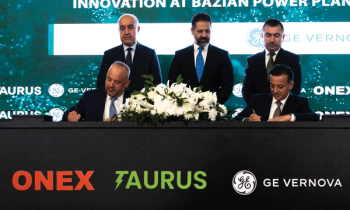
The partnership includes LNG supply-chain integration, FSUs development, natural gas power generation, downstream energy applications, and more.
Bruno Monetti of GE Vernova details how local supply chain investments and strong supplier relationships can overcome market challenges.
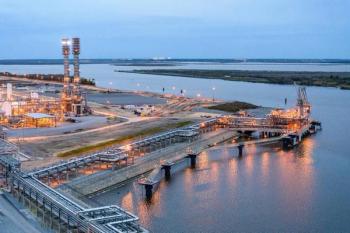
The large-scale Asian buyer will obtain 1 MTPA of LNG over a 20-year term from the 9.5 MTPA LNG liquefaction and export facility in Cameron, LA.
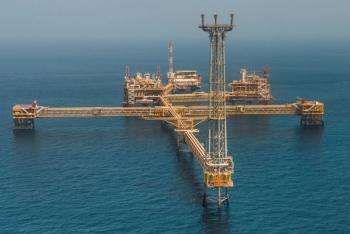
Technip Energies’ design includes large-scale offshore platforms, flare platforms, connecting bridges, and related infrastructure.
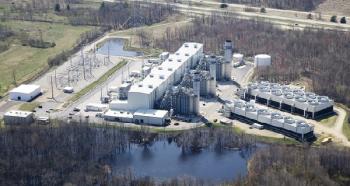
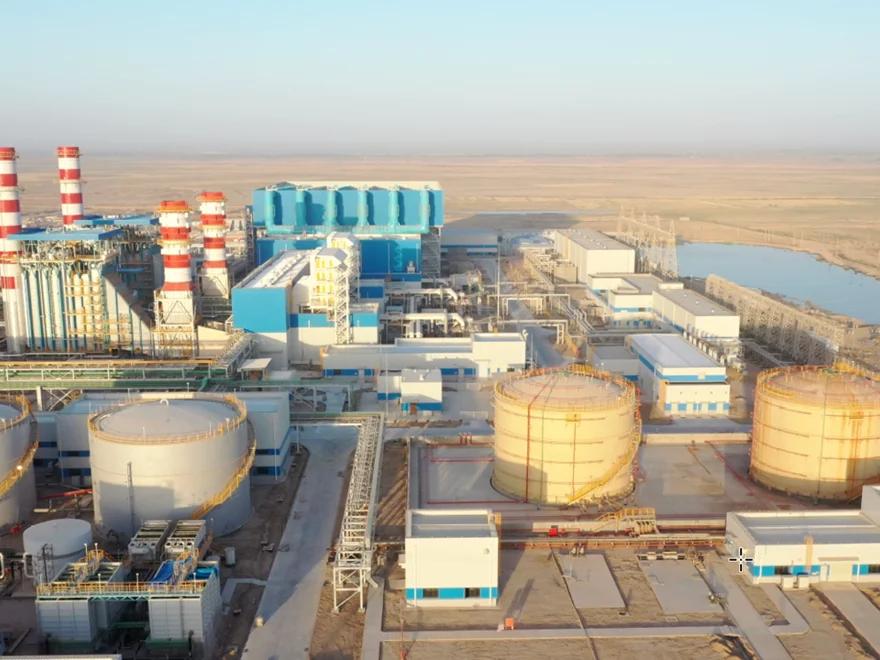
The upgrades will improve electricity output, response time, fuel efficiency, and more as Michigan enters its summer peak-generation period.

Supply and faster maintenance intervals are impacting the aeroderivative gas turbine market as OEMs try to keep up with demand.
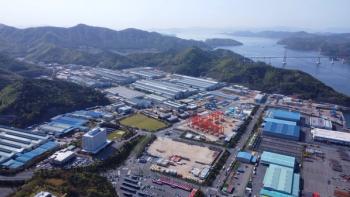
Doosan and HD Hyundai Marine Engine will develop precision casting manufacturing technology and prototype blade materials for gas turbines.
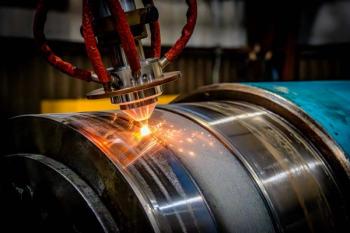
Fusion Inc. joins RMS’s domestic repair network, offering customers thermal spray coatings, laser cladding, and other critical turbomachinery services.
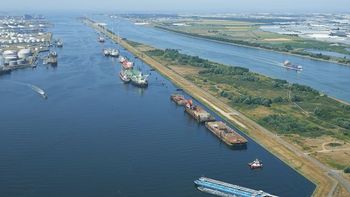
Maaike Grevelink of the Port of Rotterdam Authority discusses the recent ammonia bunkering pilot’s significance for ship-to-ship transfers, safety, and potential hydrogen transport.

Turbine Weld Industries will contribute to VSE’s aftermarket position with its repair specifications and technologies for hot-section components.
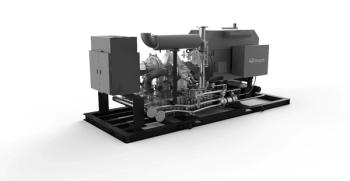
The new compressor line features improved corrosion resistance, thermal efficiency, and reduced tube blockage.

The Turbomachinery News Network, for the week of April 28, 2025, covers news from GE Vernova, ExxonMobil, Ansaldo Energia, and Woodside Energy.
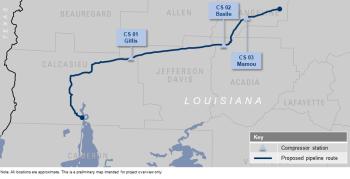
Louisiana LNG will purchase approximately 640 Bcf of natural gas from bp, the primary natural gas supplier, with deliveries planned for 2029.
The May/June 2025 issue spotlights the gas turbine market, deep-diving into order activity, the impact of surging power demand, and how the industry is responding.
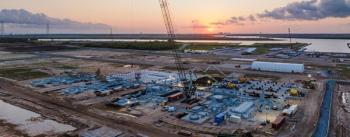
The Louisiana LNG facility is a three-train, 16.5 MTPA development scheduled for first LNG in 2029.

How accurate are advanced computational tools like CFD and FEA? Find out in part II of designing turbomachines with the Myth Busters.