

Steam Turbines
Latest News
Advertisement
Latest Videos

Advertisement
More News
In addition to servicing critical oil and gas safety systems, EthosEnergy’s Approved Repair Facility designation will enable faster turnaround times and localized support.

The Turbomachinery News Network, for the week of October 6, 2025, covers news from Turboden America, Siemens Energy, Ansaldo Energia, Everllence, and Rolls-Royce.
The refurbishment covers engineering studies, manufacturing, on-site dismantling, installation, and long-term maintenance operations for Unit 1 at Cernavoda Nuclear Power Plant.
Cape Station’s Phase II engineering and procurement scope includes Turboden’s turbines and control system, expected to generate 300 MWe of power following delivery in 2028.
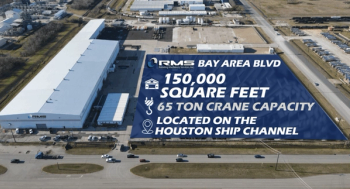
The new headquarters will house advanced capabilities such as laser scanning, virtual assembly, metrology, and much more, allowing RMS to serve Gulf Coast customers quickly.
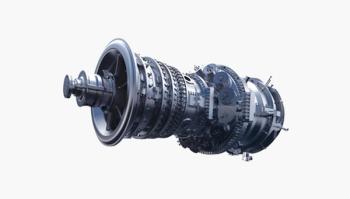
The Ansan Smart Hub will be converted into a high-efficiency, eco-friendly power plant capable of accommodating a future fuel conversion from natural gas to hydrogen.
The Turbomachinery News Network, for the week of September 22, 2025, covers news from Rolls-Royce, Doosan Enerbility, Everllence, and Siemens Energy.
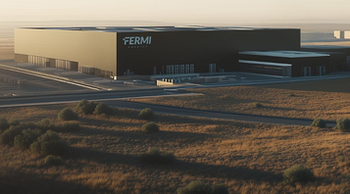
The planned 11-GW AI campus will pair natural gas generation with nuclear power, leveraging Siemens Energy’s F-class gas turbines, steam turbines, and Westinghouse AP1000 reactors.
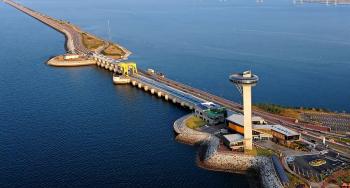
Korea Southern Power and Doosan Enerbility will use Korean-made products in its pumped-storage hydropower projects, strengthening local manufacturing and engineering industries.
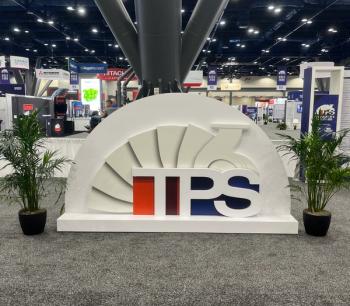
Facing rising demand, decarbonization targets, and supply chain volatility, John Crane’s Nico Schmaeling urged turbomachinery professionals at the 2025 Turbomachinery & Pump Symposium to address the energy trilemma—security, affordability, and sustainability—through smarter design, efficiency upgrades, and cross-industry collaboration.
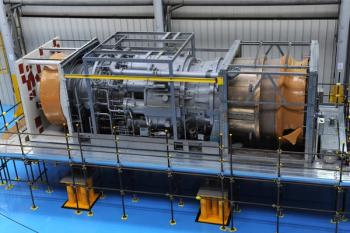
The company’s gas turbine and refrigerant compressor technology supports an additional 6 MTPA of LNG capacity and lower emissions at the Texas-based facility.
The Turbomachinery News Network, for the week of September 8, 2025, covers news from GE Vernova, Mitsubishi Power, Rolls-Royce, and NextDecade.
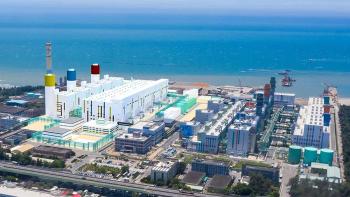
The new gas turbines, steam turbines, and auxiliary equipment will increase power generation capacity to meet rising industrial and residential electricity demand.
The Turbomachinery News Network, for the week of September 1, 2025, covers news from Baker Hughes, Doosan Enerbility, Doosan Škoda Power, and Rolls-Royce.
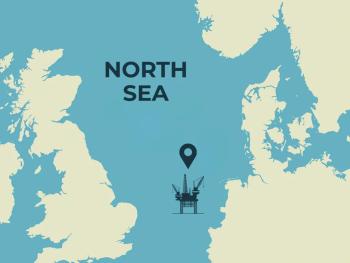
The five-year contract addition allows EthosEnergy to continue life-extension strategies, maximizing asset uptime and minimizing cost for Spirit Energy’s gas assets.
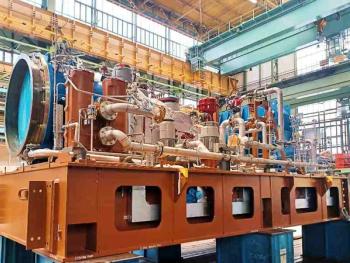
The company will execute reconstruction while six installed machines, boilers, and other equipment remain in full operation, presenting a challenge that requires extensive coordination.
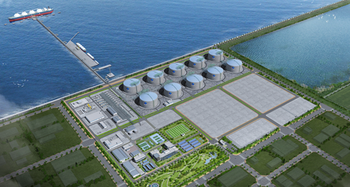
Building out the Dangjin LNG storage tank infrastructure aligns with South Korea’s plan to improve domestic LNG supplies and may be completed by December 2029.
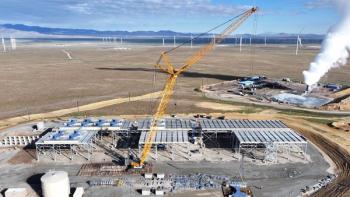
The engineering and equipment scope includes five 60-MWe units, turboexpanders, and one BRUSH generator for the Cape Station project in Utah.
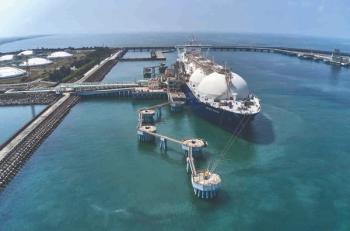
The regasification facility will strengthen natural gas supplies across southern Taiwan, using seawater to heat cryogenic LNG into a gaseous state for pipeline transportation.
The Turbomachinery News Network, for the week of August 25, 2025, covers news from Baker Hughes, ACWA Power, ConocoPhillips, Essential Utilities, and GE Vernova.
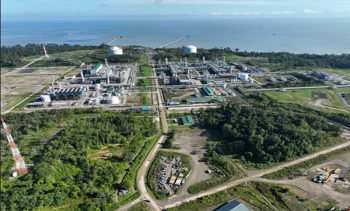
Previously, the company supplied critical power and compression systems for bp’s Tangguh LNG plant in Papua Barat, Indonesia.

HAZOP reviews are a key process for identifying potential hazards and ensuring appropriate safety measures.

Myth Busters Klaus Brun and Rainer Kurz discuss what AI is and isn’t, its shortcomings and strengths, and how it’s changing the turbomachinery and power generation industries.
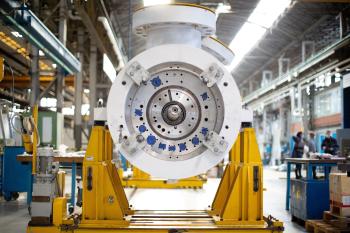
Growing demand for carbon capture and storage technology is transforming the industry, driving demand for advanced turbomachinery and reshaping the market landscape for decarbonization efforts.

The July/August 2025 issue highlights our industry survey and key factors shaping the turbomachinery sector, including supply-chain challenges, labor shortages, and the rise of mobile and advanced technologies to meet power demand.
Advertisement
Advertisement