
The new company’s direct air capture (DAC) process uses advantaged solid materials, namely zeolites, to capture CO2 and water for end-product production.
The new company’s direct air capture (DAC) process uses advantaged solid materials, namely zeolites, to capture CO2 and water for end-product production.

Under the terms of a project framework agreement, JERA will seek ownership participation in ExxonMobil’s Baytown hydrogen complex and receive 500,000 tons of ammonia per year from the project.
WTUI 2024 supports the user community for the maintenance and repair of aeroderivative gas turbines—with folks from GE Vernova onsite to answer questions—and HRSG.
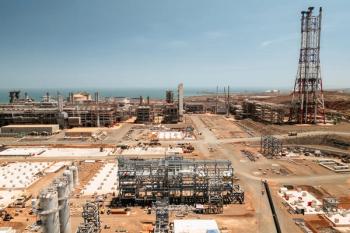
LJ Scarborough (LNG Japan) received a 10% non-operating participating interest in Woodside’s Scarborough Joint Venture and may obtain potential LNG offtake and energy collaborations as part of a previous agreement.
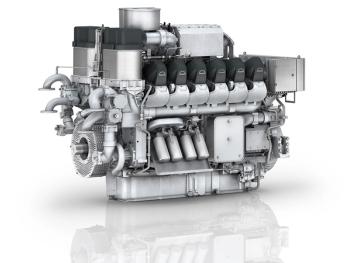
A methanol-fueled variant of the MAN 175D engine and plant equipment will be installed on a Svitzer newbuild tug as part of an upcoming field-test agreement between the companies.
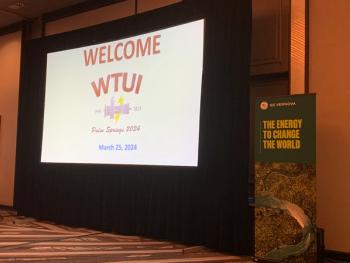
Day one at WTUI 2024 in Palm Springs, CA focused on gas turbine sales and aeroderivative orders.
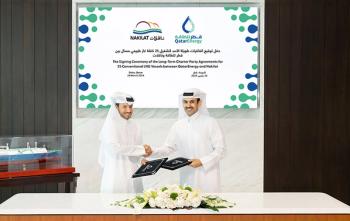
According to the 15-year time-charter party agreements, Qatar Gas Transport Company (Nakilat) will own and operate 25 LNG vessels for affiliates of QatarEnergy.
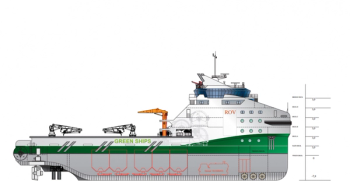
Amogy’s ammonia-to-electricity technology will allow Green Ships Invest to design, build, and deploy carbon-free electrical platform supply vessels (ePSVs).
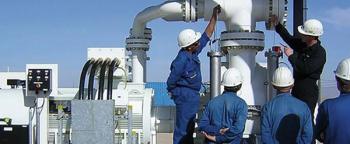
The investment will be allocated toward three industrial process sites in Germany, India, and Saudi Arabia to grow its pump testing services and large, flow-related project awards.
The DOE’s $60 million grant will be used to develop technology for proton exchange membrane (PEM) water electrolysis, as well as establish a Recovery and Recycling consortium to circulate PEM electrolyzers and fuel cells.
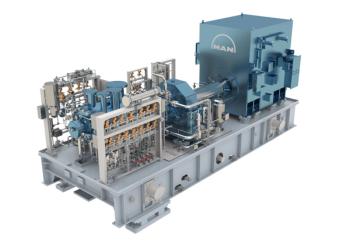
MAN Energy has been commissioned to deliver 11 RB-type compressor trains for a Brazilian floating production, storage, and offloading vessel (FPSO) at the Raia project.
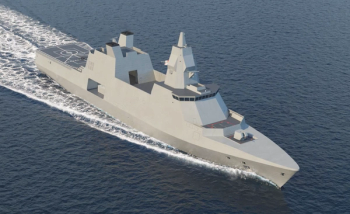
Singapore’s Combat Vessel program will use the supplied ship’s electric grid with integrated full-electric propulsion systems on six ships in the country’s navy.
The Appalachian Methane Initiative (AMI) found that non-oil and gas operations are the largest contributors of methane emissions in the pilot program, and in 2024 it will expand its monitoring area to more than 20,000 sq. mi. in the Appalachian Basin.
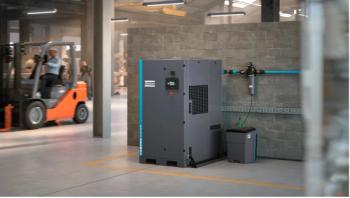
The GA 11-30 FLX uses up to 20% less energy, reducing start-up peak, unload power, and transient losses while delivering optimal flow at varying pressures.
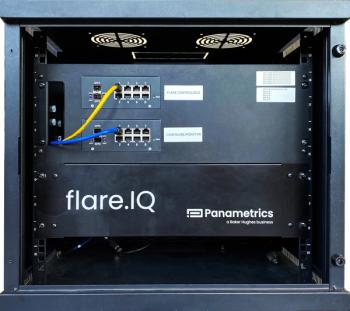
Based on the real-time data from 65 installed flare.IQ units across seven regions, bp is ready to conduct early interventions and reduce methane-slip emissions from flaring.
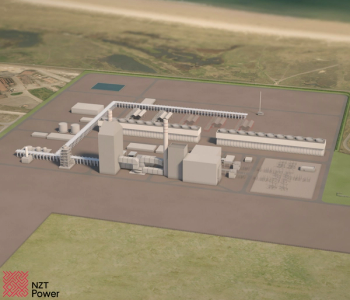
Upon receiving a letter of intent from bp, the companies began the consortium and technology selection for Net-Zero Teesside (NZT) Power in the United Kingdom—a gas-fired power station equipped with carbon capture.
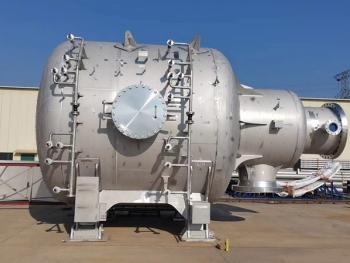
The order from MITSUI E&S Co. is the first selective catalytic reduction (SCR) catalytic converter for an ammonia-ready engine and as an exhaust gas after-treatment solution, can reduce NOx emissions by 90%.
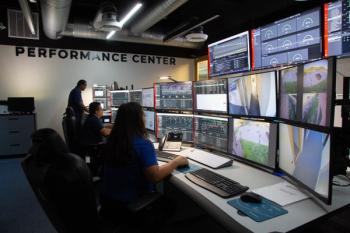
The performance center offers plant owners 24/7 real-time remote start-stop capabilities and access to asset monitoring, diagnostics, and remote engineering support.
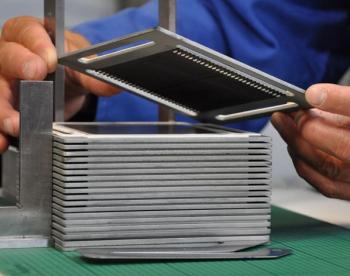
The institute has been researching solid oxide electrolyzer cell technology for 20 years, and the partnership with thyssenkrupp nucera is the next step toward industrial manufacturing applications for hydrogen production.
The Advanced Manufacturing and Recycling Grant Program supports decarbonization and clean energy in former coal communities with a focus on producing and recycling clean-energy products.
The B4ECarbon emissions management solution utilizes blockchain, AI, and IoT systems to help track, report, and reduce carbon emissions.
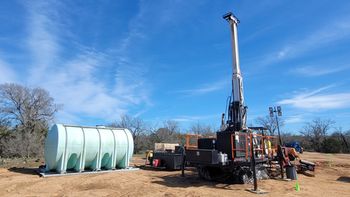
The financing round, with participation from Mitsubishi and Standard Investments, will enable Quaise to expand field operations, its supply chain position, and the development of deep geothermal power plants.
Trace Carbon’s Evergreen Hub has submitted a Class VI permit application for two CO2 injection wells in the Beauregard and Calcasieu parishes of Louisiana.
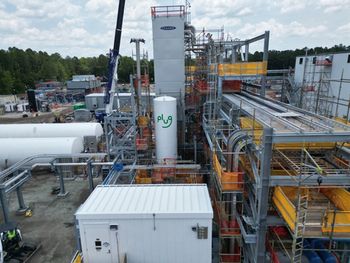
The hydrogen production facility was built for Plug Power in Woodbine, GA, using proton membrane exchange technology to produce 15 metric tons of hydrogen daily.
The companies signed a collaboration agreement to evaluate new technologies and industrial applicability for small and advanced modular reactors.
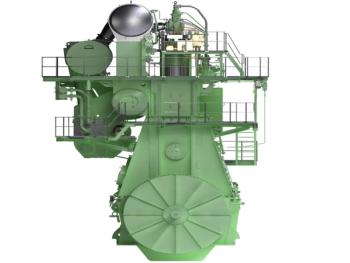
MITSUI, a MAN Energy Solutions licensee, successfully tested a 50-bore two-stroke marine engine with up to 100% hydrogen load at its Tamano facility in Japan.
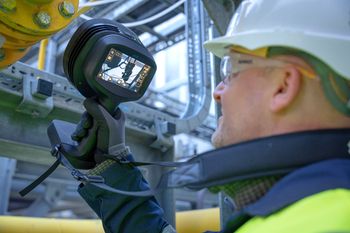
The Si2 group, comprised of the Si2-Pro, Si2-LD, and Si2-PD, are designed to detect compressed air leaks, specialty gas leaks, mechanical faults, and partial discharges.
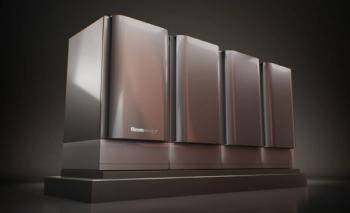
Shell and Bloom are collaborating to develop replicable, large-scale, solid oxide electrolyzer systems for possible use at Shell assets.
The RiverCell 3 project has a $12.4 million budget and will develop a maritime fuel cell system using Advent’s modular 50 kW eMethanol-powered Serene technology.
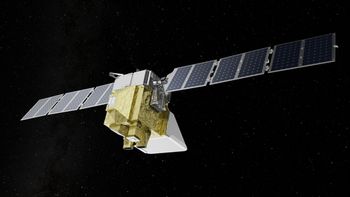
The MethaneSAT detached from SpaceX Transporter-10 and will detect and quantify methane emissions over wide regions of the Earth’s surface.