

Leveraging visioning systems and rule-based knowledge, while not AI, provides repeatable and reliable repairs for the aerospace and industrial gas turbine industries.
Leveraging visioning systems and rule-based knowledge, while not AI, provides repeatable and reliable repairs for the aerospace and industrial gas turbine industries.
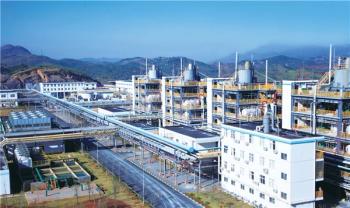
Sinochem will use the cloud-based turbomachinery data to scale best practices, improve asset performance, and drive efficiencies.
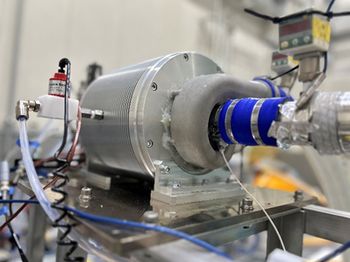
IHI Corp. is researching aircraft electrification and hydrogen fuel technologies and developing a vacuum pump to enhance operational efficiency.
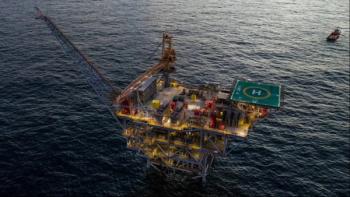
Phase 1 development, completed in 2024, included four wells. In late 2025, three additional wells will be built connected to bp’s Juniper platform.
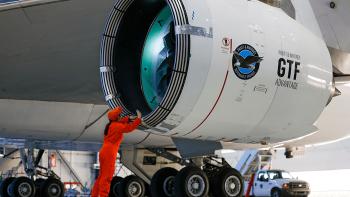
The GTF Advantage engine increases payload capacity, extends flight range, and lowers CO2 emissions with improved take-off thrust and fuel efficiency.
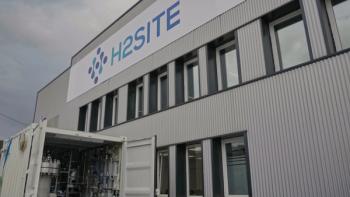
Andres Galnares, CEO of H2SITE, says the palladium-alloy membrane simplifies hydrogen transportation through onsite generation with carrier molecules.

Dr. Delgado says Turbo Lab graduates are engaged with classes and real-life operating experience before entering the OEM and end-user workforce.
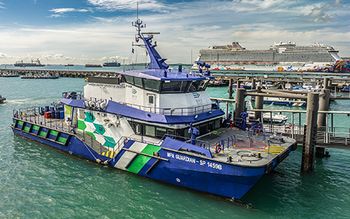
Rolls-Royce will install the NautIQ Foresight system on a pilot vessel, collecting performance data to improve automation for future testing.
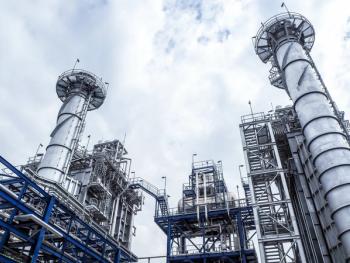
At WTUI, Jack Odlum of HRST explains two ways to optimize HRSG efficiency: operational efficiency and thermal efficiency.

Matt Gentry of Airflow Sciences says faster processing speeds and improved computing allow flow models to present turbine data more quickly and accurately.

Industry leaders are adapting maintenance strategies to incorporate data-driven insights and provide rapid, efficient solutions that keep critical equipment running.
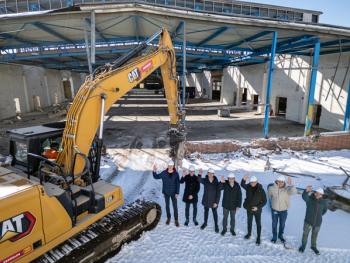
The new industrial gas turbine field-service shop will house an engine dock and apprentice workshop to train and qualify mechanics.
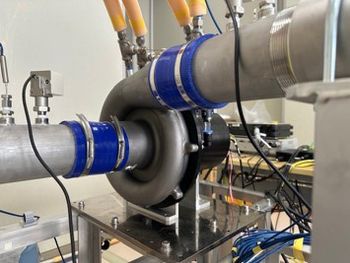
The gas-bearing equipped system maintains stable performance during changes in atmospheric pressure, specifically in low-density air flights.

WTUI bridges the aeroderivative operations and maintenance gap by bringing users together to support each other.
The Turbomachinery News Network, for the week of March 24, 2025, covers news from GE Vernova, GE Aerospace, Baker Hughes, Kawasaki Heavy Industries, and LNGameChanger.

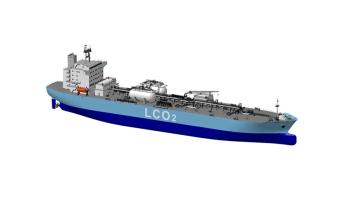
The maritime LNG-fired power train combines solid-oxide fuel cells with onboard CO2 liquefaction and storage, decarbonizing maritime transport vessels.
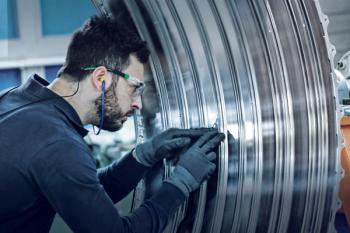
The funding covers new machines, test cells, inspection technologies, and more across Italy, Poland, the Czech Republic, the United Kingdom, and Romania.
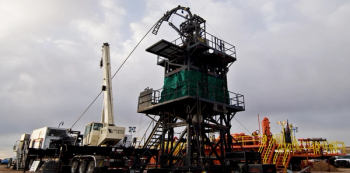
The CoilTrak coiled-tubing system, in combination with integrated compressor lines, establishes a reliable power system with reduced CO2 emissions at the Margham project.
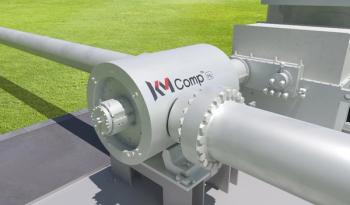
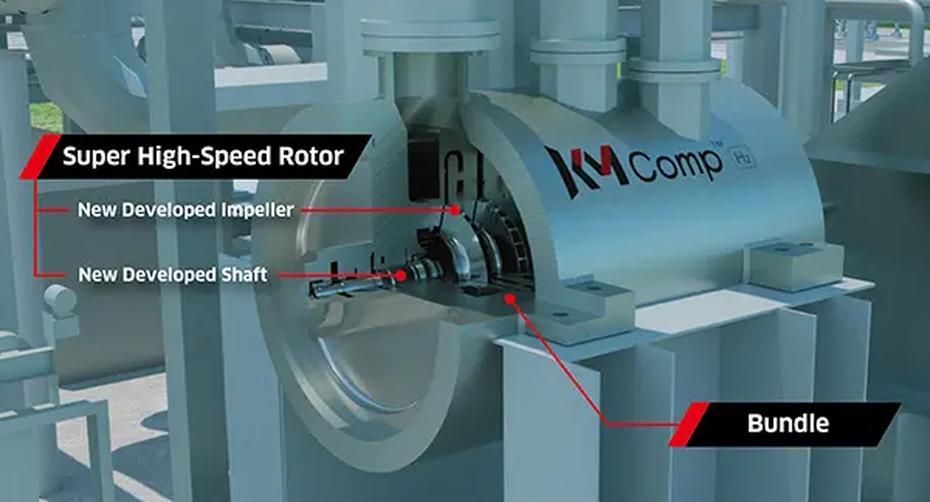
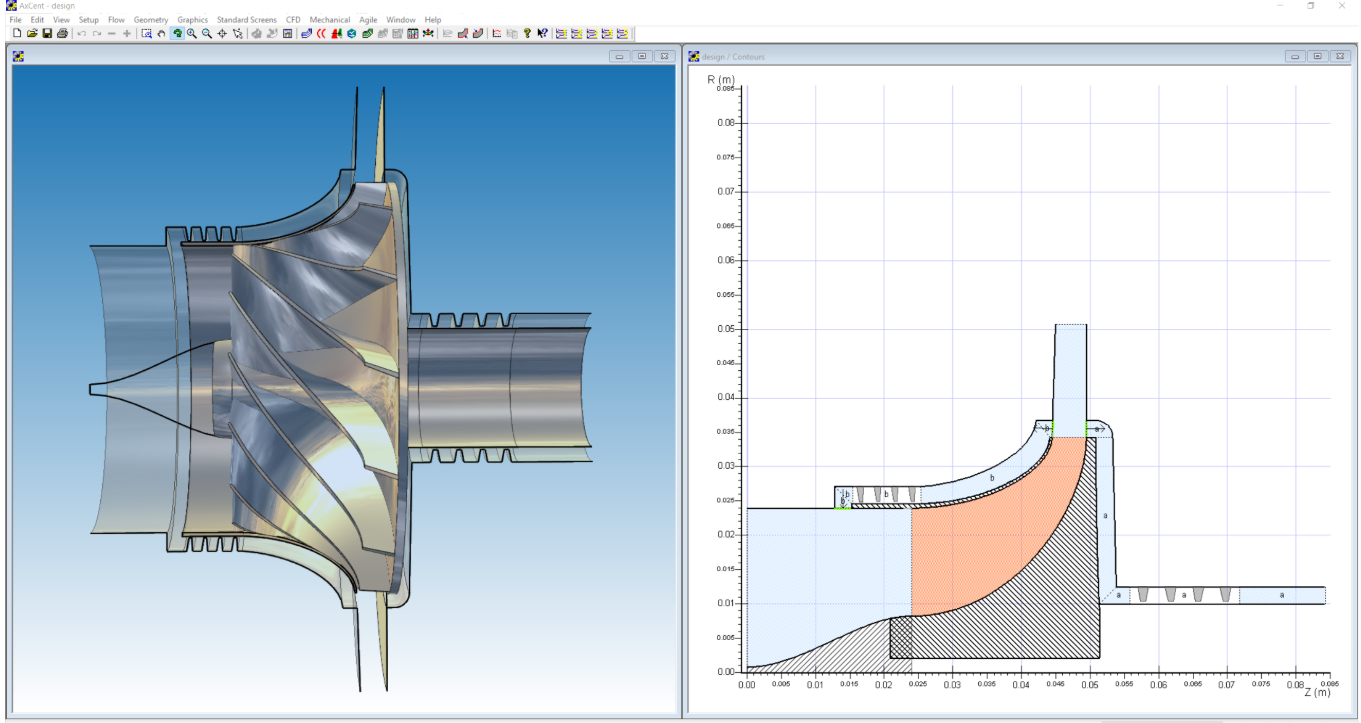
The centrifugal hydrogen compressor uses a newly developed impeller to handle high flow rates, boost hydrogen pressure, and improve liquefaction efficiency.
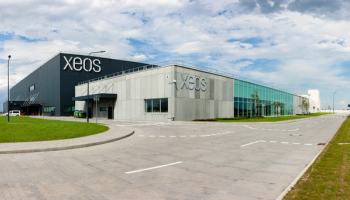
XEOS is currently supporting LEAP-1B and 1A shop visits, module work, and engine testing, and it plans to expand overhaul capacity and repair capability in the coming months.
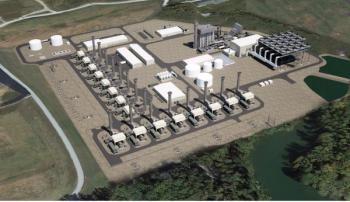
Tennessee Valley Authority is making over its plants with GE Vernova’s LM gas turbines and SSS Clutch’s synchro-self-shifting clutches to balance the grid and support renewables.
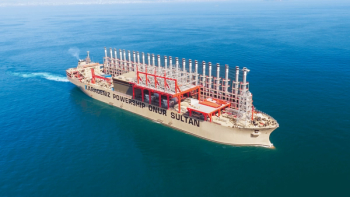
The dual-fuel engines will allow Karpowership’s power-plant barges to use various available fuels specific to their operating locations in energy-starved regions.
Increased vehicle loading and transport capacities allow greater leeway in the ship allocation schedule, securing more holiday and rest time for the crew.
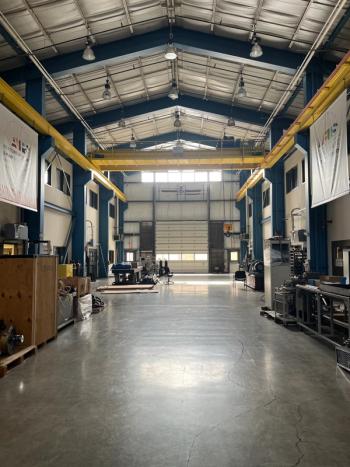
The Turbomachinery Laboratory at Texas A&M researches compressors, turbines, and pumps, fostering collaboration between academia and industry.
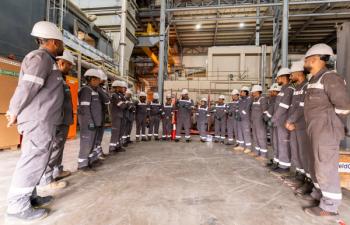
The project demonstrated the culmination of Saudi Arabia's engineering talent development, including training, certifications, practical experience, and more.