
The contract’s wider resource opportunity across Kirkuk and the surrounding area is projected to include up to 20 billion barrels of oil equivalent.
The contract’s wider resource opportunity across Kirkuk and the surrounding area is projected to include up to 20 billion barrels of oil equivalent.
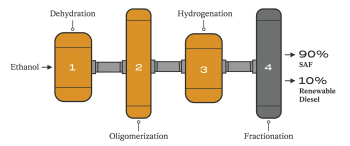
Cosmo Oil will combine its expertise in plant operations, fuel quality control, and logistics with Mitsui's capabilities in ethanol procurement to develop the project.
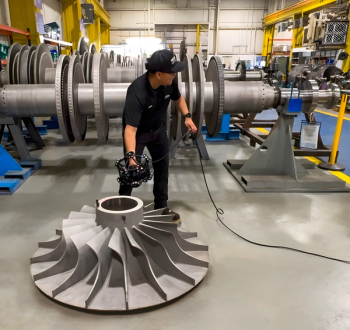
Combining 3D laser scanning and generative AI automates inspection processes, enhances service quality, and expedites equipment overhauls.

The company is working with partners to increase the feed-in of renewable electricity for the Friedrichshafen, Augsburg, and Aiken/USA plants and their local grids.
Jeffrey Benoit of PSM says there are no big technical barriers, “it’s a matter of getting these technologies into products and commercially operated gas turbines.”
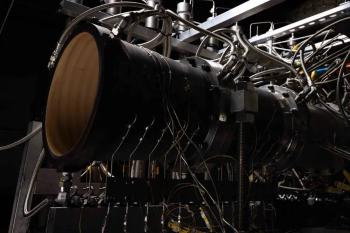
With the detailed design review complete, GE Aerospace will execute a contract to procure, assemble, and test a XA102 full-scale demonstrator engine.
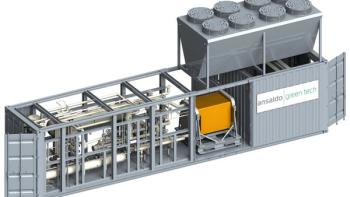
The IANUS project will also expand research laboratories and develop modular electrolyzers for large-scale, multi-MW industrial applications.
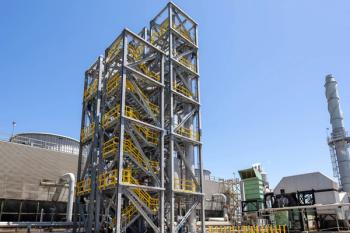
Kevin Lauzze of Sargent & Lundy discusses the rise of carbon-capture pilot projects and how technologies can successfully enter the market.
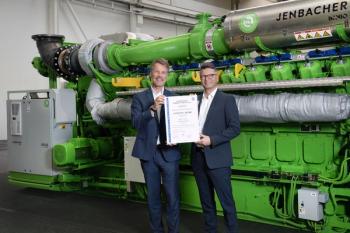
Klaus Payrhuber and Michael Collins of INNIO Jenbacher detail hydrogen engine demonstration projects that may bridge the gap created by renewables.

Billy Sanez of SpotSee also explains how temperature fluctuations may damage transformers, steam turbines, and other power generation equipment during transport.
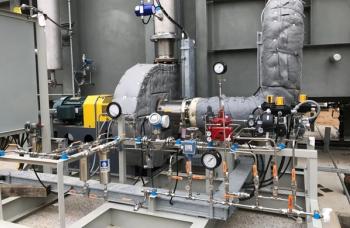
Jeff Wirt of EnergyLink International and Paul DiMascio of ProEnergy explain how their ammonia direct injection system and dual-use catalyst improves NOx reduction.
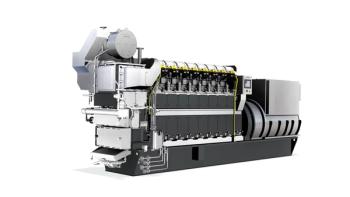
The port fuel-injection methanol concept makes the 21/31DF-M medium-speed, small-bore engine suitable for genset and diesel-electric propulsion applications.
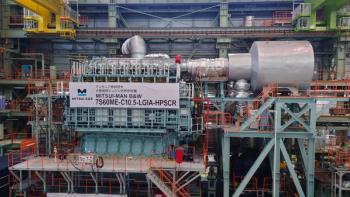
The test phase will also verify the safety and performance of MITSUI E&S’s ammonia fuel-supply system and peripheral systems.
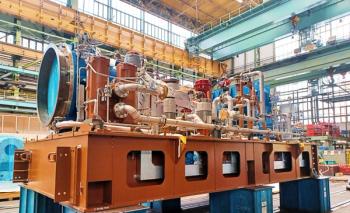
The Pierrefonds waste-to-energy plant, using a 19-MW steam turbine, will process up to 148,000 tons of waste and generate 121,000 MWh of electricity annually.

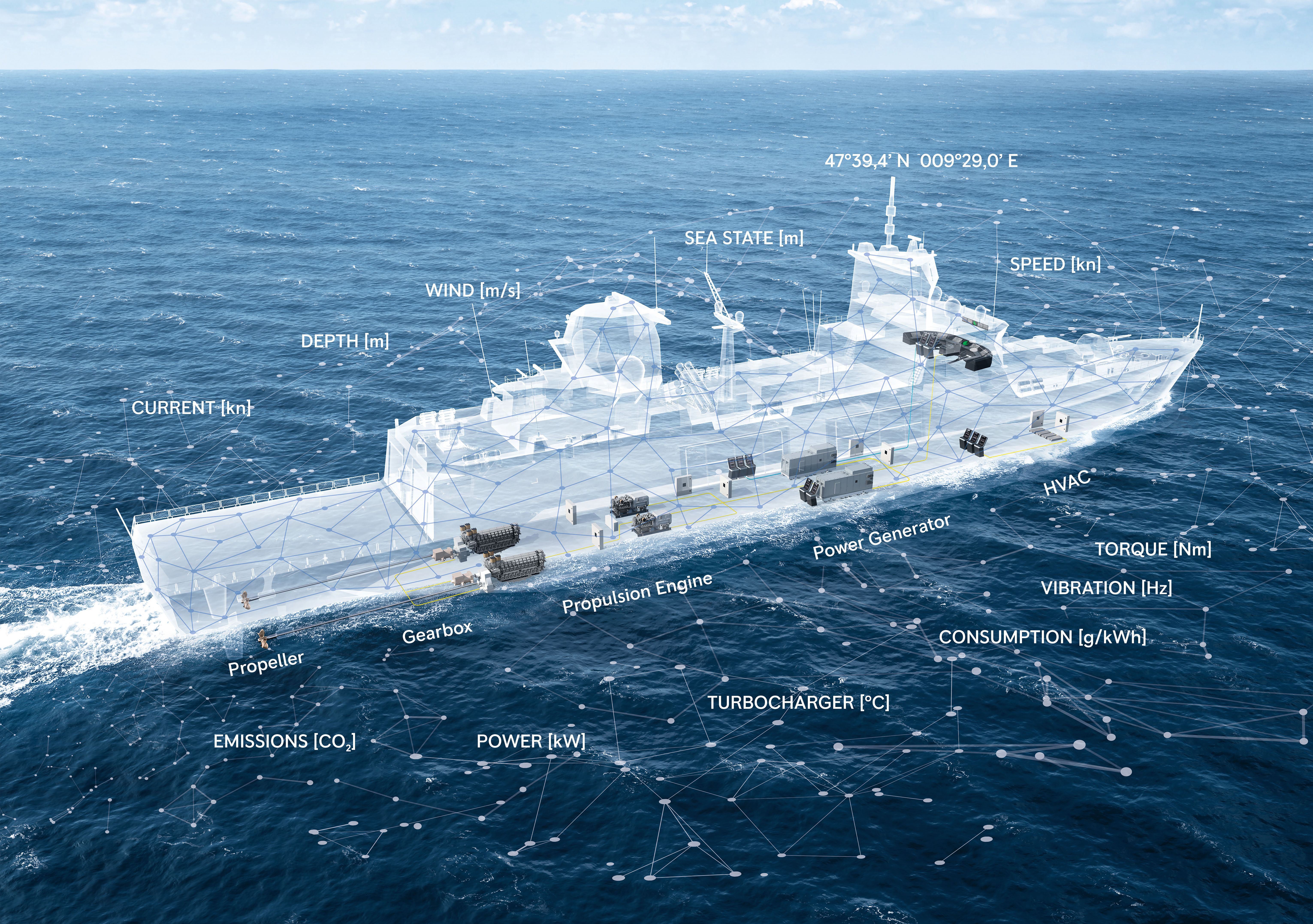
OEMs are using AI- and ML-equipped software and control systems to improve data quality and reliability, automate tasks, monitor assets, assist smaller crews, and make predictive maintenance commonplace.
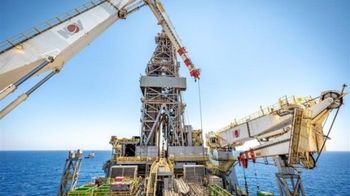
The Raven Field’s initial phase developed eight subsea wells, located up to 65 km offshore, at water depths ranging from 550 to 700 meters.
Billy Sanez, Director of Global Marketing at SpotSee, addresses the risks of aerospace component transportation and how asset condition monitoring may help.
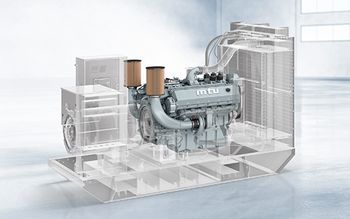
The engines and associated cooling systems will be available for purchase by independent OEMs for integration into their own genset designs.
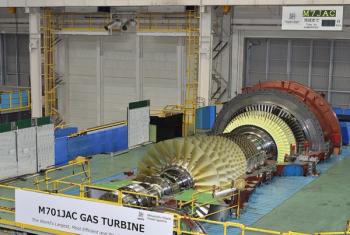
Once operational, the plant's two gas turbines will generate a combined 990 MW, representing nearly 7% of Morocco's national grid capacity.
Integrating CFD analysis software into blade design software increases time-to-market.
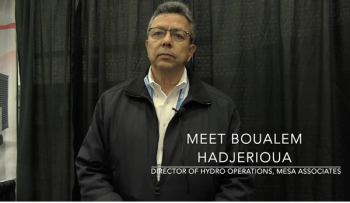
Boualem Hadjerioua of Mesa Associates addresses the benefits of hydro turbine technology, additive manufacturing, and low- and high-head operations.
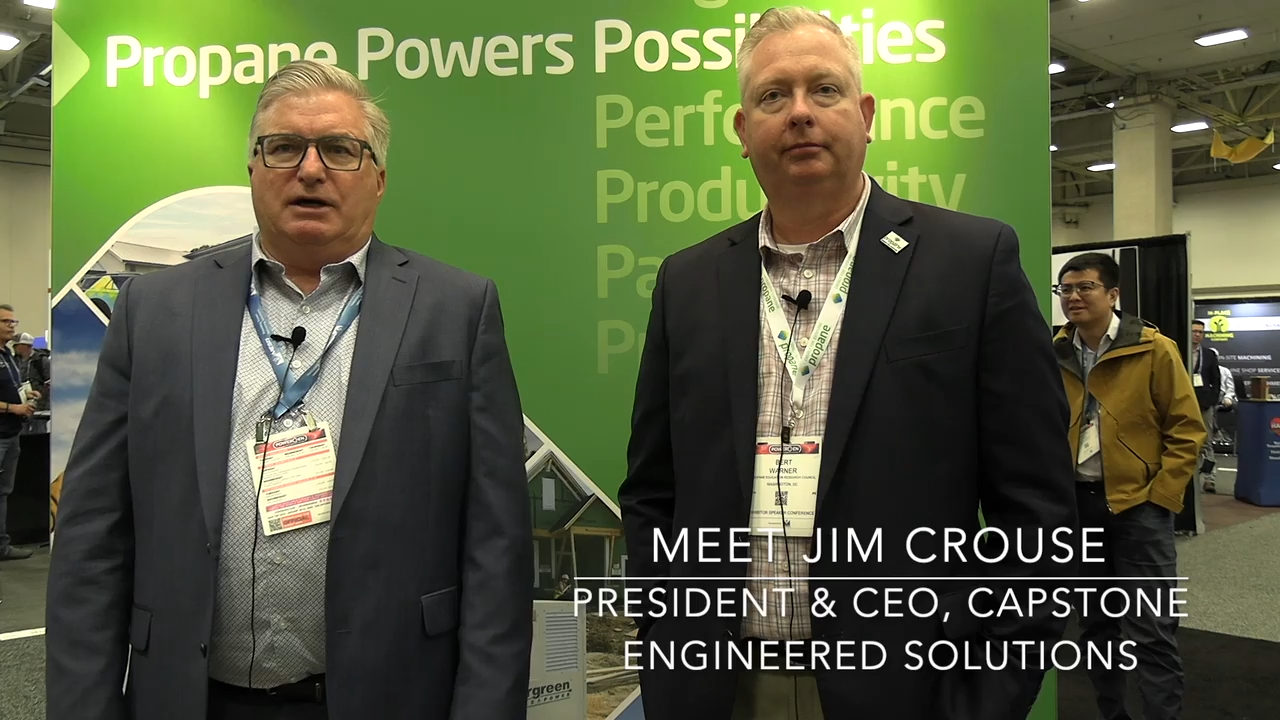
Paul DiMascio of ProEnergy discusses how a direct ammonia injection system impacted emissions, costs, footprint, and efficiencies.
At POWERGEN 2025, Boualem Hadjerioua of Mesa Associates covers the roadblocks of hydropower buildout, latest tech innovations, modularity, and more.
Megan Reusser of Burns & McDonnell said mechanical, thermal, electrochemical, and chemical LDES could help reduce the need for grid expansion, but each has its challenges.
Paul DiMascio of ProEnergy discusses how direct ammonia injection systems simplify NOx and CO removal.