

The November/December 2024 issue highlights emerging decarbonization efforts that integrate hydrogen, ammonia, and new technologies into increasingly intermittent grids.
The November/December 2024 issue highlights emerging decarbonization efforts that integrate hydrogen, ammonia, and new technologies into increasingly intermittent grids.
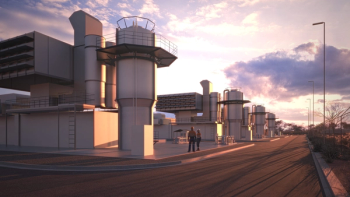
The LM6000 gas turbine units feature a newly designed fuel nozzle, optimized water injection schedules, advanced control modifications, and safety features.
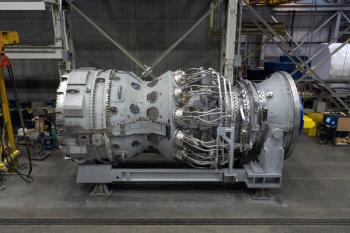
GE Vernova will acquire all heavy-duty gas turbine combustion assets from Woodward’s Greenville site after the transaction closes in early 2025.
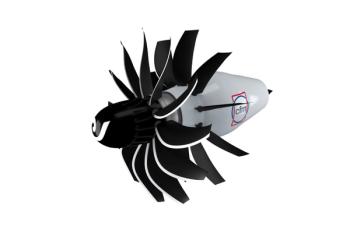
DOE awarded GE Aerospace, Boeing, and NASA supercomputer access to study open-fan aerodynamics to reduce drag and improve fuel efficiency.

Part two of this myth on centrifugal compressor maps delves into the map’s extrema: surge and choke.
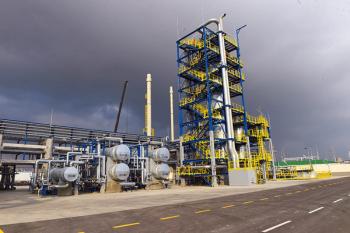
Baker Hughes’ systems will reduce CO2 and recover the flare gas equivalent of up to 7 million Nm3 of methane per year and then be used as fuel within the Baku Oil Refinery.
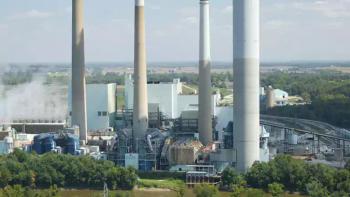
Babcock & Wilcox Thermal will design and install a new natural gas system, air systems, and additional equipment to convert the plant’s two coal-fired boilers.

EcoDataCenter in Falun, Sweden, switched from diesel to HVO to power the 32 mtu backup power generator systems—16 more Rolls-Royce gensets are on the way.

A compressor’s seal system is the culprit of most common unscheduled shutdowns.
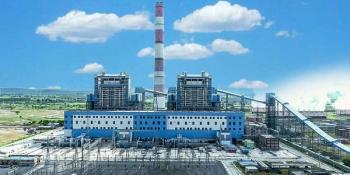
Ohmium, JNCASR, and others are generating green methanol by combining CO2 captured from the Singareni Thermal Power Plant and green hydrogen.
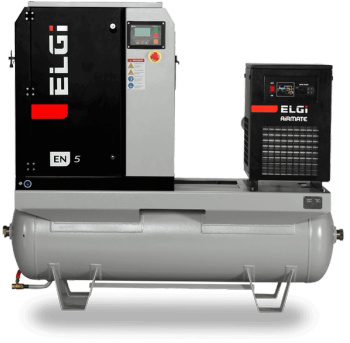
To capture and reinject natural gas into oil reservoirs, Air Source One uses rotary screw compressors, an integrated heater, and a ventilation system.
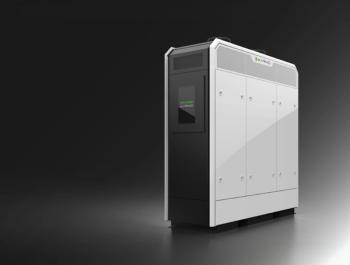
After a successful demo using multiple fuel types, 2024 KARNO generators will service early adopters in EV charging, data centers, waste-gas utilization, and marine power.
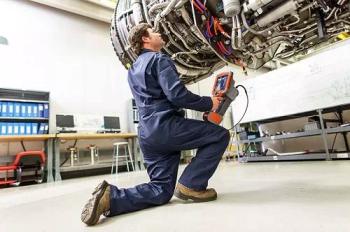
GE Aerospace’s lean operating model and overall industry growth have spurred investments by standardizing processes and fostering operational efficiency and reliability.

The SolveBright scrubbing system—to be installed at Mälarenergi AB’s waste-to-energy plant—is a post-combustion carbon-capture technology that absorbs CO2 from flue gas.
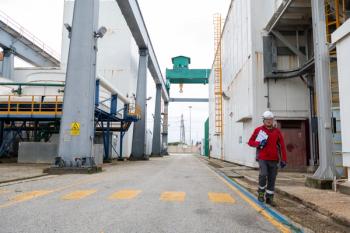
EthosEnergy will replace exhaust systems and additional auxiliary equipment on Trapani Unit 1 at the historic Sicilian plant.
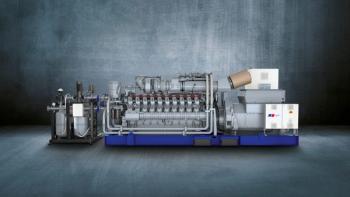
The generator sets will be deployed at five distributed energy sites across Alberta, providing power to the grid during times of peak electrical demand.
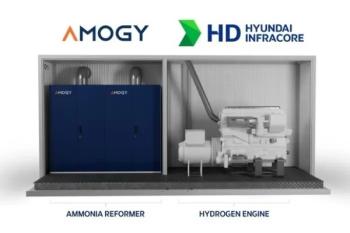
HD Hyundai Infracore, SK Innovation, and Amogy will explore the long-term commercial viability of their combined ammonia-to-power generation system.
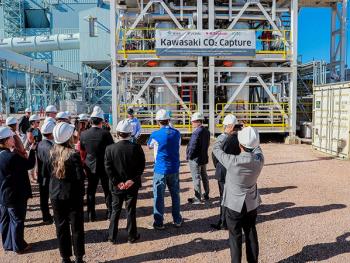
Kawasaki and Low Emission Technology Australia will reduce emissions from the heavy industry by capturing CO2 at the source.
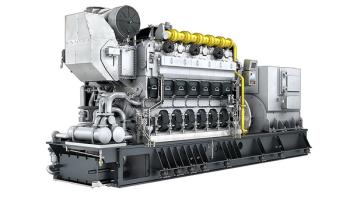
Christian Kunkel of MAN Energy said ammonia integration in four-stroke internal combustion engines is possible with modified injection systems, but its inherent toxicity presents technical challenges for AmmoniaMot 2.
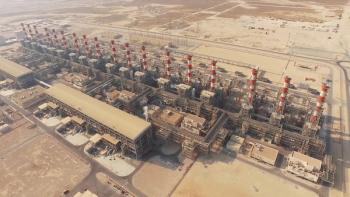
The studies targeted up to 32% by volume hydrogen blending with natural gas and identified modifications to the power generation assets, including exhaust gas recirculation to lower carbon-capture costs.

Ebara obtained an additional sales base in Uruguay, capitalizing on a growing South American market for pumps in the agricultural, construction, and industrial sectors.

With Safety Integrity Level certification, the XMO2pro analyzer is explosion-proof, flame-proof, and weather-proof with a built-in compact display suitable for tight spaces.
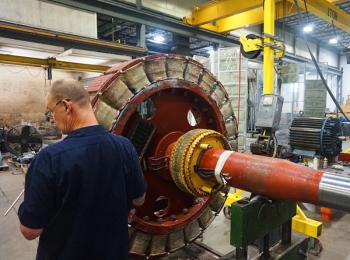
Investments include an additional horizontal boring mill, a commutator repair system, and expanding the Wyoming shop’s footprint with a new test stand and 40-ton crane.
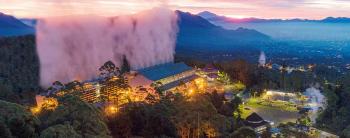
The company will upgrade the steam turbine and related equipment for Unit 3 at the Darajat Geothermal Power Plant in Java.
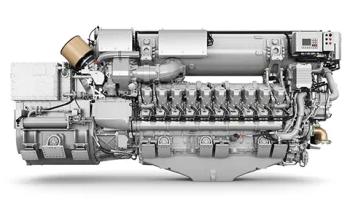
With future submarines expected to require increased electrical power, the mtu charging unit and NautIQ automation system will enable higher power output and integrated control, respectively.