
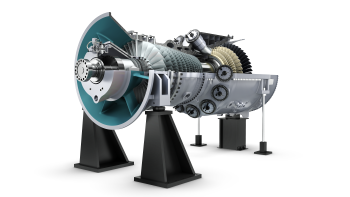
The commissioning of Kuo Kuang 2 replaces older, CO2-intensive plants on the grid, emitting up to 66% less greenhouse gases than coal- or oil-driven power.
The commissioning of Kuo Kuang 2 replaces older, CO2-intensive plants on the grid, emitting up to 66% less greenhouse gases than coal- or oil-driven power.
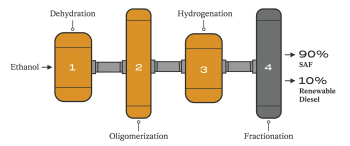
Cosmo Oil will combine its expertise in plant operations, fuel quality control, and logistics with Mitsui's capabilities in ethanol procurement to develop the project.

Fuel cells allow Equinix to generate on-site power at its data centers, with almost no air pollution or water usage compared to typical grid-delivered energy.

The company is working with partners to increase the feed-in of renewable electricity for the Friedrichshafen, Augsburg, and Aiken/USA plants and their local grids.
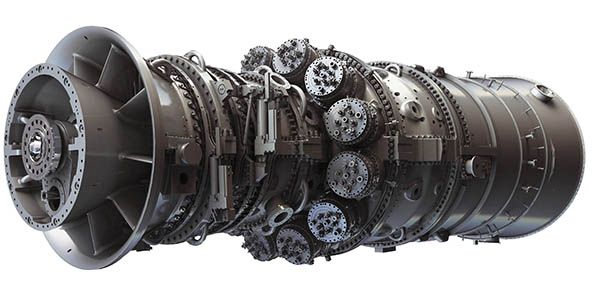
Jeffrey Benoit of PSM says there are no big technical barriers, “it’s a matter of getting these technologies into products and commercially operated gas turbines.”
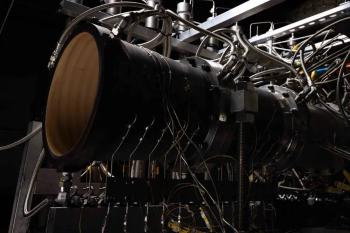
With the detailed design review complete, GE Aerospace will execute a contract to procure, assemble, and test a XA102 full-scale demonstrator engine.
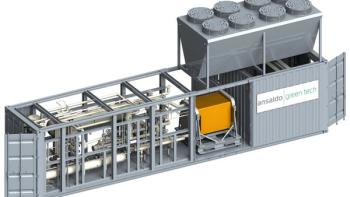
The IANUS project will also expand research laboratories and develop modular electrolyzers for large-scale, multi-MW industrial applications.
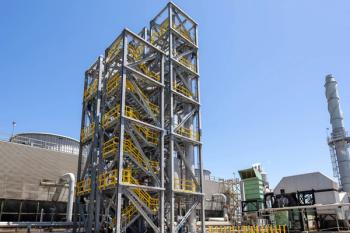
Kevin Lauzze of Sargent & Lundy discusses the rise of carbon-capture pilot projects and how technologies can successfully enter the market.
Kevin Clark of Clarion Events says, "Power generation is having its day ... again," with data centers, onshoring manufacturing, and electrification beefing up demand.
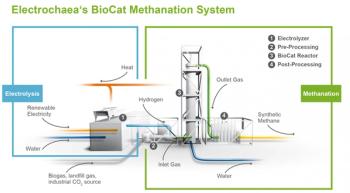
The deployment of Electrochaea´s technology will support Japan’s climate goals to achieve 5% carbon-neutralized gas via the injection of 1% synthetic methane by 2030.
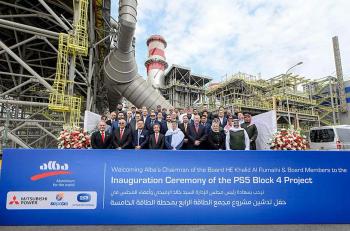
The M701 JAC gas turbine represents the first deployment of this technology in a Middle Eastern aluminum smelter, contributing to Aluminum Bahrain’s decarbonization goals.
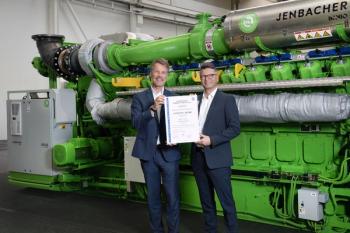
Klaus Payrhuber and Michael Collins of INNIO Jenbacher detail hydrogen engine demonstration projects that may bridge the gap created by renewables.
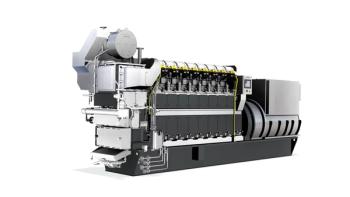
The port fuel-injection methanol concept makes the 21/31DF-M medium-speed, small-bore engine suitable for genset and diesel-electric propulsion applications.
Tennessee Valley Authority’s Scott Hunnewell discusses nuclear’s reliability as a carbon-free energy source and its increased safety due to passive safety systems.
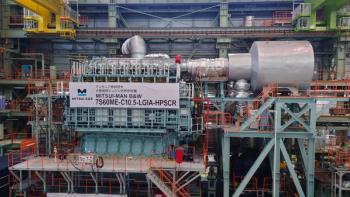
The test phase will also verify the safety and performance of MITSUI E&S’s ammonia fuel-supply system and peripheral systems.

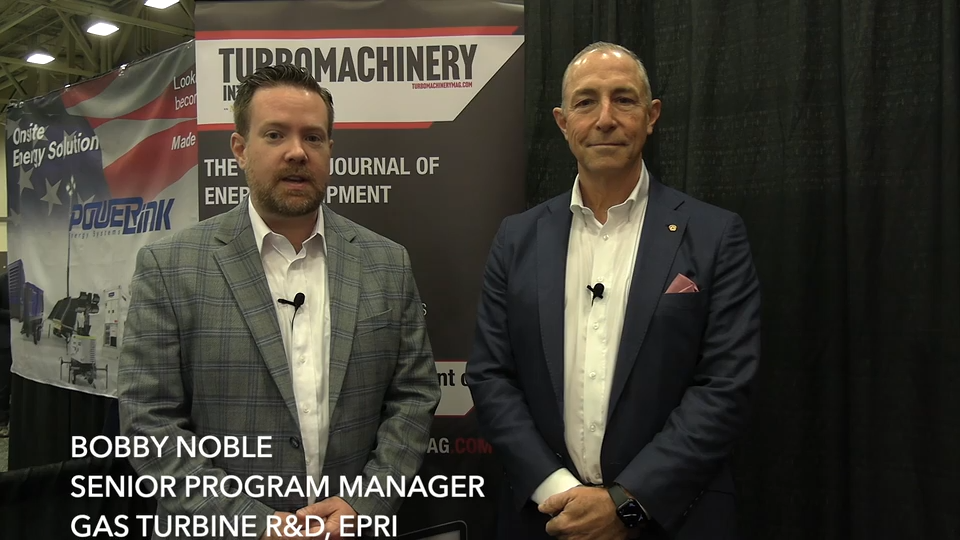
Jeff Benoit and Bobby Noble discuss the reliability and flexibility of gas turbines and how they satisfy many needs within power generation.
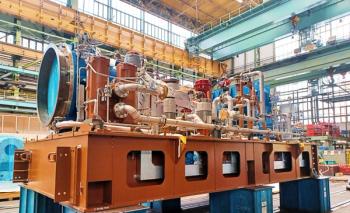
The Pierrefonds waste-to-energy plant, using a 19-MW steam turbine, will process up to 148,000 tons of waste and generate 121,000 MWh of electricity annually.
Scott Hunnewell of the Tennessee Valley Authority discusses how nuclear is moving from talking about nuclear to actually building nuclear.
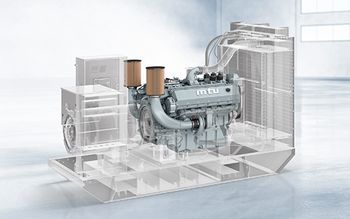
The engines and associated cooling systems will be available for purchase by independent OEMs for integration into their own genset designs.
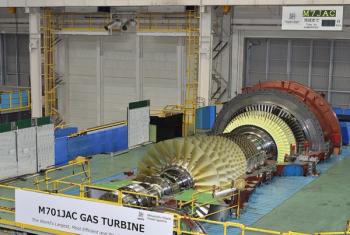
Once operational, the plant's two gas turbines will generate a combined 990 MW, representing nearly 7% of Morocco's national grid capacity.
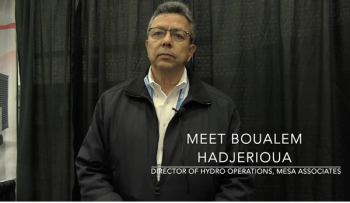
Boualem Hadjerioua of Mesa Associates addresses the benefits of hydro turbine technology, additive manufacturing, and low- and high-head operations.
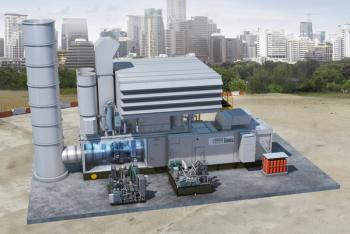
The 52-MW Bushy Park combustion turbine facility in South Carolina commercially operated with the LM6000 gas turbine and generator on Nov. 1.
Paul DiMascio of ProEnergy discusses how a direct ammonia injection system impacted emissions, costs, footprint, and efficiencies.
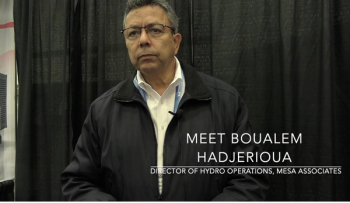
At POWERGEN 2025, Boualem Hadjerioua of Mesa Associates covers the roadblocks of hydropower buildout, latest tech innovations, modularity, and more.

Keynote panelists discuss the latest innovations in gas turbine combustion systems, carbon capture, hydrogen, ammonia, and more.