

The signed agreement is a roadmap for deploying GE Vernova Hitachi’s BWRX-300 SMR technology globally.
The signed agreement is a roadmap for deploying GE Vernova Hitachi’s BWRX-300 SMR technology globally.
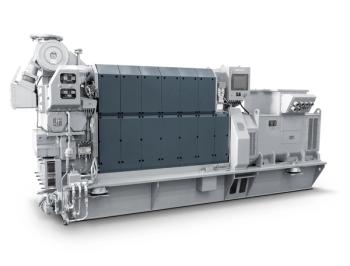
The NH3 Spark – FutureFlex Danish project will develop a 100% ammonia-operated small-bore engine that doesn’t require pilot fuel.
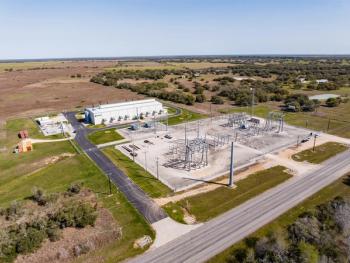
MAN Energy Solutions’ modular power-plant concept with 18V51/60G gas engines has a total capacity of 124 MW to support Texas plant.
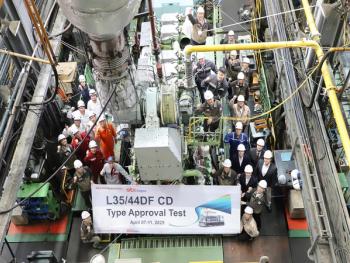
The MAN 35/44DF CD can reduce methane slip by up to 85% compared with industry standards and offers 16% greater output than competitors.
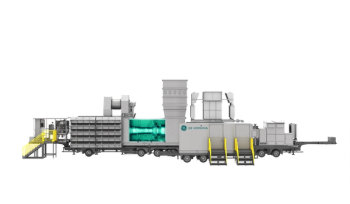
The trailer-mounted solution will deliver fast, reliable power to the Caribbean to avoid power outages and stabilize the grid.
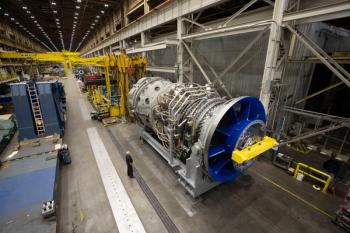
GE Vernova will supply gas turbines, hydrogen-cooled generators, triple-pressure with reheat HRSGs, and steam turbines with hydrogen-cooled generators.
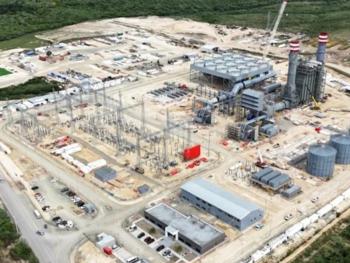
EthosEnergy’s contract with Energia 2000 supports the Dominican Republic-based 420-MW combined-cycle facility set to open later this year.
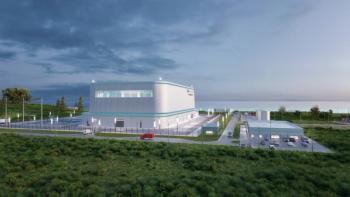
Tennessee Valley Authority’s investment in the small modular reactor, slated for its Clinch River site, is part of a technical collaboration and utility/supply chain coalition.
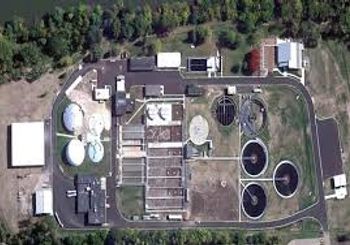
The microturbines will operate in a combined heat-and-power configuration, generating electricity for a wastewater treatment facility in Wisconsin.

The perfection trap is just that: a trap—and often a costly, inefficient trap that leads to delays and even diminished operational flexibility.

Ethiopian Airlines is expanding its Boeing 787 fleet with 11 aircraft powered by GE Aerospace’s GEnx engines.
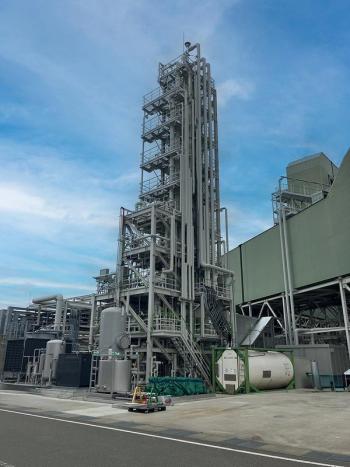
The Kansai Mitsubishi CO2-recovery process extracts carbon from flue gas at the Himeji plant, and the ΣSynX Supervision remote monitoring system collects pilot data.
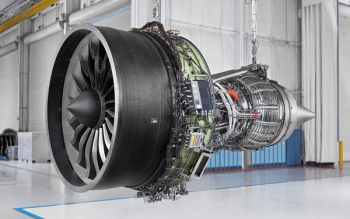
GE Aerospace expanded its partnership with Qatar Airways for more than 400 GE9X and GEnx aero engines and an MRO service agreement.
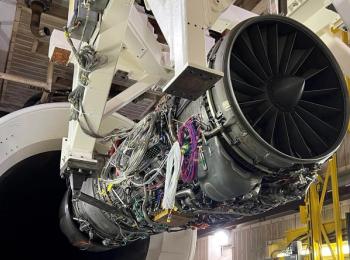
The tests demonstrated improved durability and fuel efficiency during high-thrust flight; next, GE Aerospace will conduct dust-ingestion testing on the turbine’s airfoils.

The Turbomachinery News Network, for the week of May 5, 2025, covers news from GE Vernova Hitachi/GE Vernova, Ansaldo Energia, EthosEnergy, and Baker Hughes.
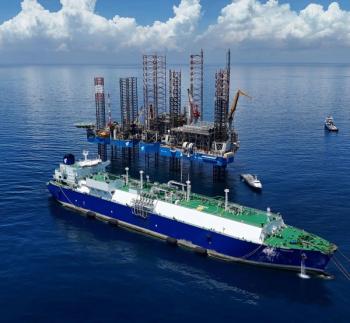
The floating storage and regasification unit will begin executing LNG regasification services at the LNG terminal in the Port of Pepillo Salcedo in September 2025.
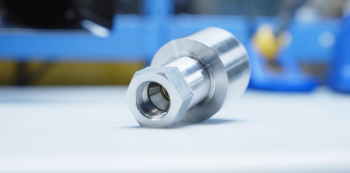
The Flame Tracker Increased Low Gain is more sensitive to low-light environments, allowing it to quickly identify flames and trigger shutdown to prevent damage or explosion.
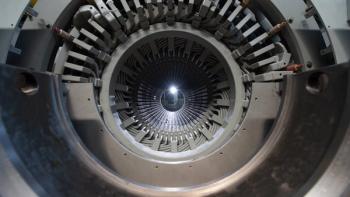
Nuclitalia will focus on small modular reactors, evaluate sustainable nuclear power designs, establish requirements, and conduct technical-economic analyses.
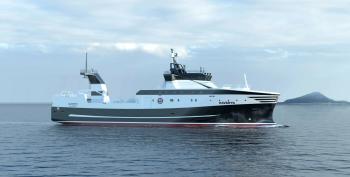
The marine compressed air system, equipped with Smart Air compressors and air dryers, will allow the VARD 8-02 trawler to operate with improved fuel economy.

President Trump and the Prime Minister of Saudi Arabia’s visit prompted the collaboration with GE Vernova to potentially supply advanced heavy-duty gas turbines built in Greenville, SC.
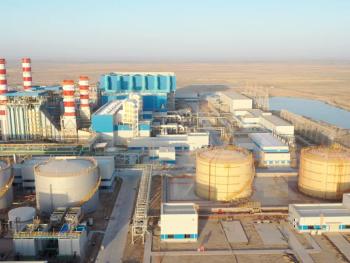
EthosEnergy will conduct routine inspections and preventive maintenance at the 850-MW facility that houses Siemens Energy’s turbines and gensets.
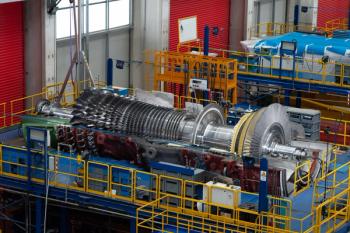
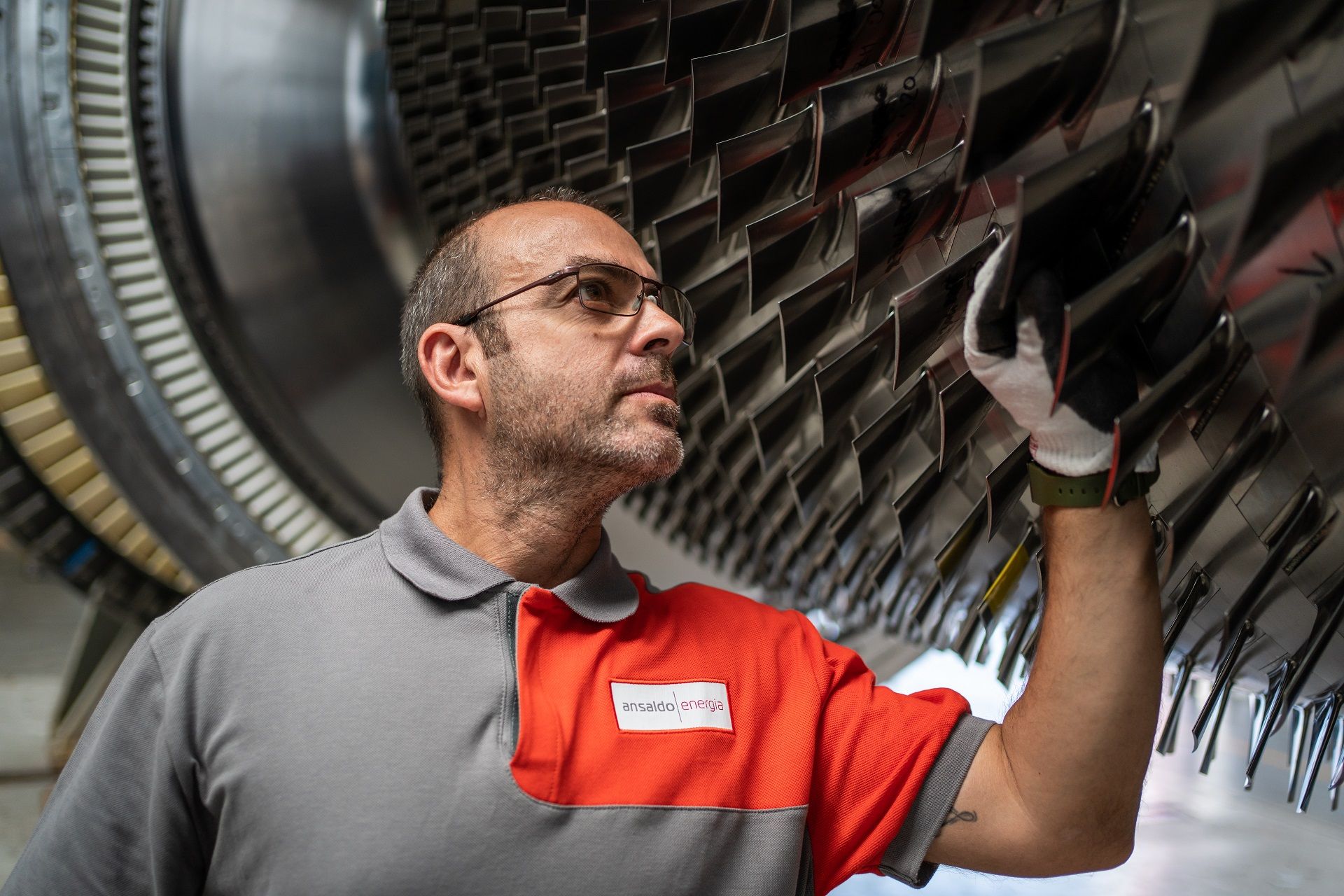
Stefano Gianatti of Ansaldo Energia says installing baseload flexible generation is key to supporting European countries struggling with renewable energy intermittency.
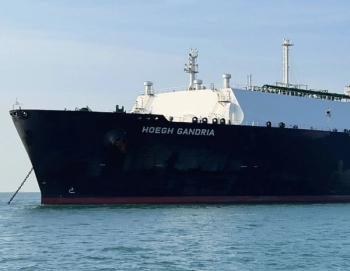
The floating storage and regasification unit will supply up to 1,000 mmscf/day of LNG regasification capacity in Egypt, while its predecessor is shipped to Australia.
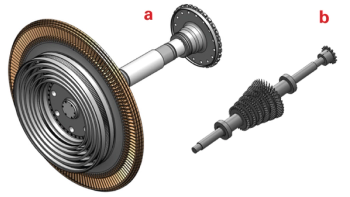
Exergy International developed a high-speed axial turbine for waste heat recovery in organic Rankine cycle power plants.
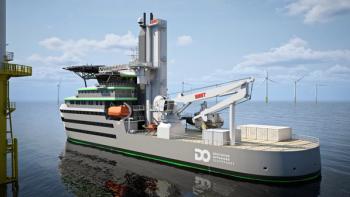
The engines will be part-load optimized in a diesel-electric configuration for improved fuel efficiency.