

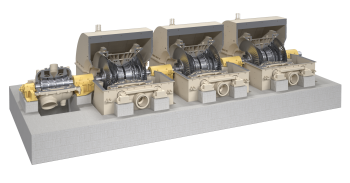
Felix Aschendorf from Siemens Energy says there is one top priority among nuclear developers: reducing construction time and costs.
Felix Aschendorf from Siemens Energy says there is one top priority among nuclear developers: reducing construction time and costs.

Klaus Brun and Rainer Kurz break down the myth that electrification and electric-motor drives are decarbonized.

The delivery of mtu-brand emergency gensets contributes to the European Union’s construction project, which is expected to be finalized in 2025.

Adolfo Delgado of Texas A&M’s Turbomachinery Laboratory says component-level testing and development have significant impacts on the industry as a whole.
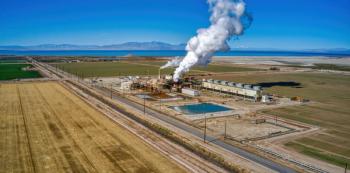
Baker Hughes submitted its solution to the Tradewinds Solutions Marketplace and can now develop geothermal plants for baseload power.
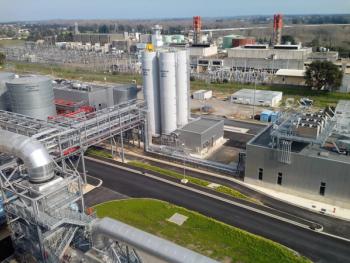
The contract represents over 100,000 hours of annual maintenance executed by a 30-person team, so EDF PEI can achieve 95% availability on power assets.
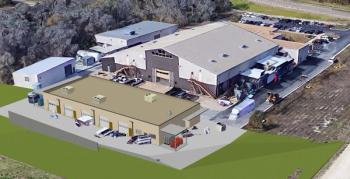
The new Propulsion and Energetics Research Laboratory makes safe, high-pressure, high-energy experiments possible for faculty and external researchers.
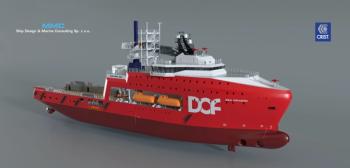
The Sea Dragon will conduct a range of operations, including gas crew changes, drilling support, field-safety standby, emergency towing, and ice management.
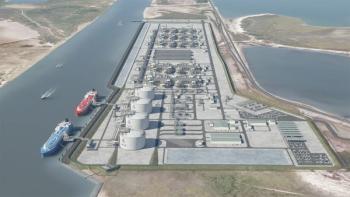
Once NextDecade permits, constructs, and operates Trains 6 through 8, the total liquefaction capacity will increase by approximately 18 MTPA.
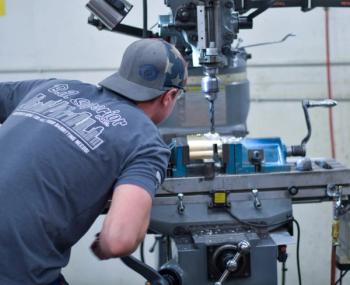
The acquisition will expand the range of high-performance components, shorten lead times, and offer greater service flexibility for customers in critical industries.
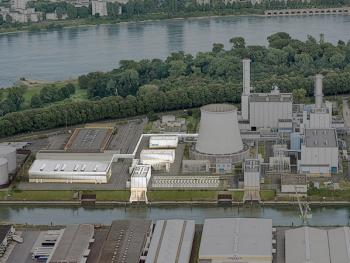
Preparatory construction work is underway next to the Niehl harbour basin, where Rhine water will be extracted to serve as the plant's environmental energy source.
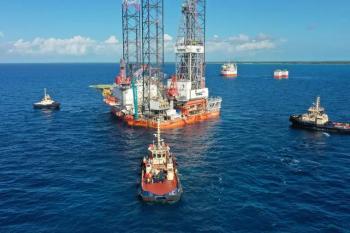
The company plans to tie back the discovery to bp’s operated West Nile Delta Gas Development project, which includes the Raven and El King-2 gas wells.
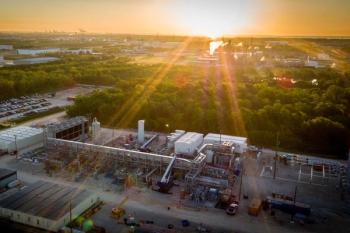
The Net Power platform will use lessons learned from the development and testing at Net Power’s demonstration facility and the company’s power plant.
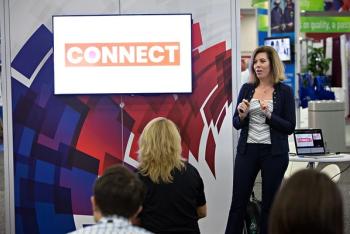
Women are making strides in the male-dominated turbomachinery and power generation fields, progressing in turbine efficiency, renewable energy integration, and power plant optimization.
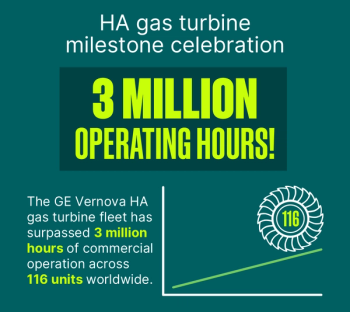
The transition from coal, increased electrification, and rise of AI computational demand may allow the turbine fleet to achieve 10 million hours of cumulative runtime.
Electrolysis-generated green hydrogen will be converted into e-methane, allowing the fuel to integrate within current natural gas infrastructures.
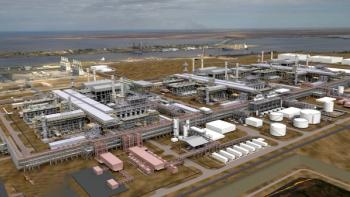
The issuance to Golden Pass marks the Department of Energy’s third LNG-related approval since the new administration took office, with Commonwealth and JAX LNG certified prior.
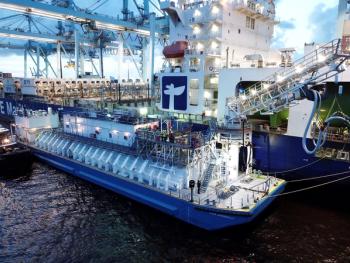
The prior administration’s order issued to JAX LNG asserted new oversight for the use of LNG to power marine vessels, also known as LNG bunkering.
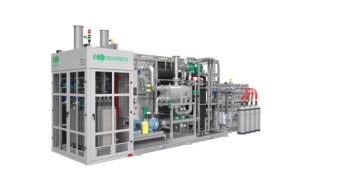
This partnership follows the commissioning of GAIL's green hydrogen plant, in which Accelera supplied a 10-MW proton exchange membrane electrolyzer system.
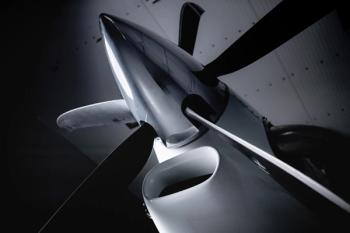
The next-gen engine features two stages of variable stator vanes, cooled high-pressure turbine blades, and additively manufactured components.
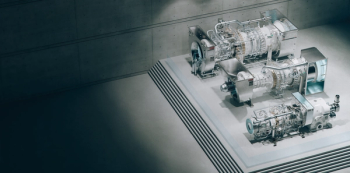
The company will deliver CO2 compression and monitoring technologies for the Sweetwater Carbon Storage Hub and gas turbines for power generation applications.
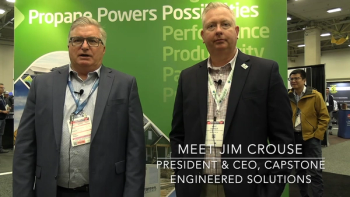
Bert Warner of the Propane Education & Research Council identifies three growth opportunities for propane: portable power generation, EV charging, and combined heat-and-power.
Rolls-Royce SMR's planned Generation 3+ modular nuclear power plants will feature Siemens Energy's steam turbines, generators, and other systems.
Scott DeNeale of Oak Ridge National Lab shares trends in hydropower—from modular designs to additive-manufactured Francis turbines.
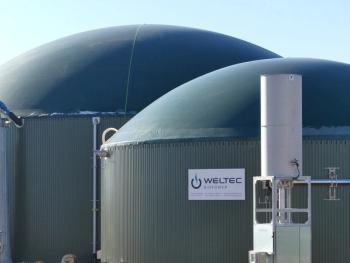
The company designed and supplied digesters, a prefabricated containerized pump-block system, heating and boiler containers, and a prefabricated factory-tested control container.