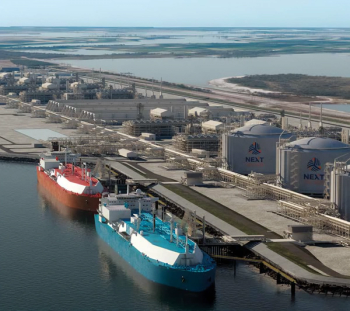
The Element complex, located in the Port of Brownsville, TX, recycles and produces low-carbon fuels and hydrogen from high-gravity shale oil.
The Element complex, located in the Port of Brownsville, TX, recycles and produces low-carbon fuels and hydrogen from high-gravity shale oil.

As part of the IgniteX CO2 Removal Accelerator, the selected participants will work with Black & Veatch to co-develop, pilot, and market new climate technology.
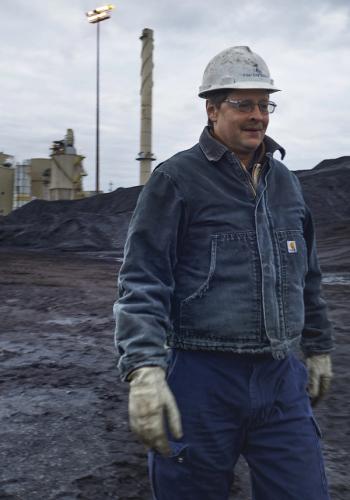
The power plant will operate with biomass as fuel to produce power with net-negative greenhouse gas emissions and will capture up to 550,000 tons of CO2 per year.
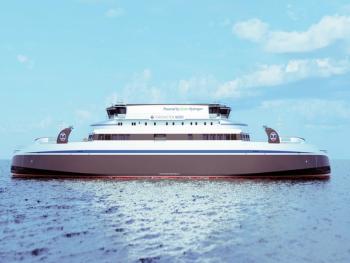
Torghatten Nord A/S contracted MAN Cryo to design and integrate bunkering systems, hydrogen piping, vent masts, and a hydrogen process plant for two new-build vessels.
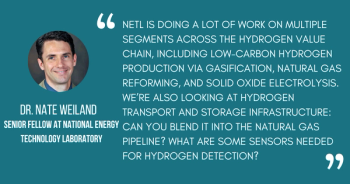
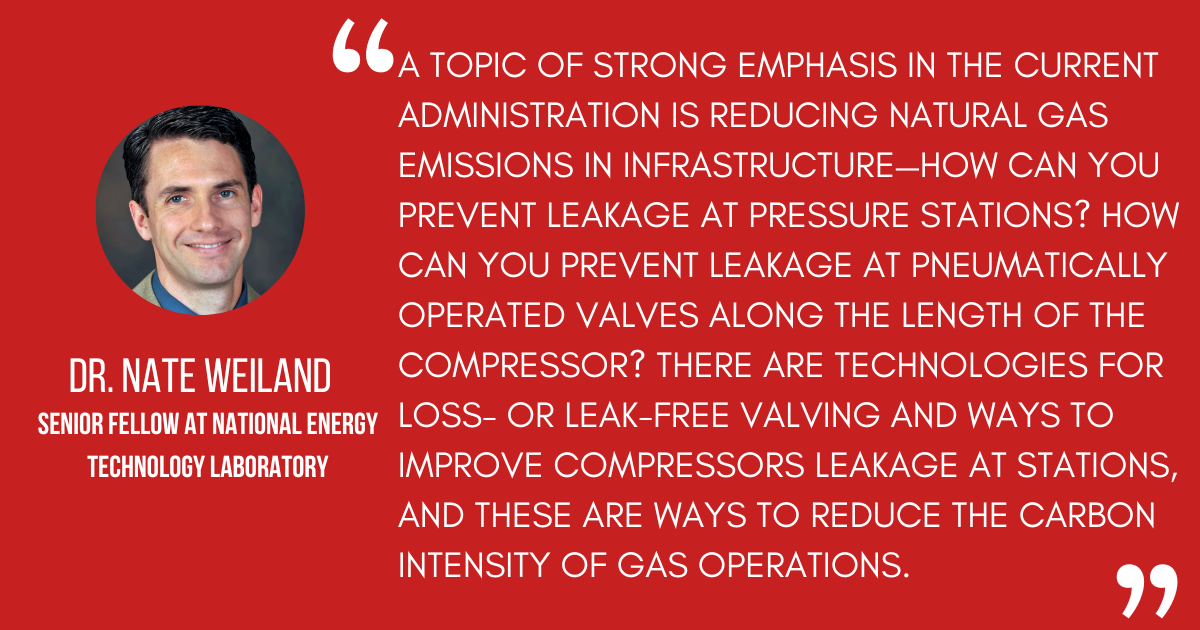
With Turbo Expo 2024 in London, held June 24 – 28, on the horizon, we’re looking back at insights from our interview with NETL at last year’s meeting.
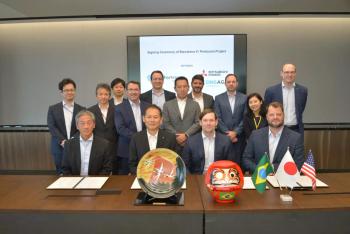
As part of an EPC agreement, four M501 JAC air-cooled gas turbines will operate in simple cycle at the Portocem Thermoelectric Power Plant in Brazil.

Digital tools can extend a turbomachine’s life, optimize plant efficiency and maintenance, and more.
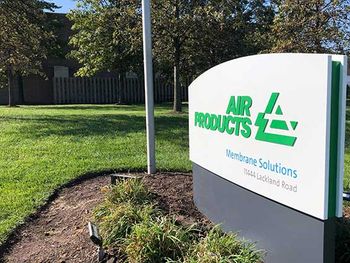
The $70 million investment will be allocated toward the expansion of its manufacturing and logistics (M&L) center in Maryland Heights, MO.
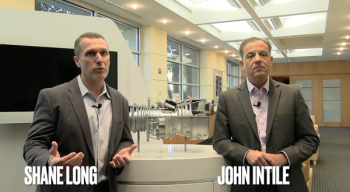
In Part 2 of our interview with GE Vernova's John Intile and Shane Long, the two VPs share what their teams are most excited about in light of GE Vernova’s recent spin-off.
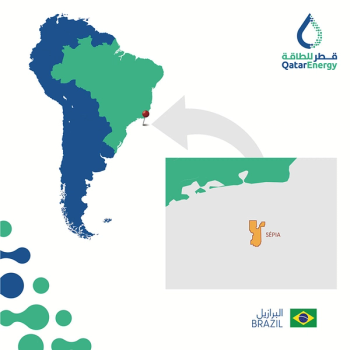
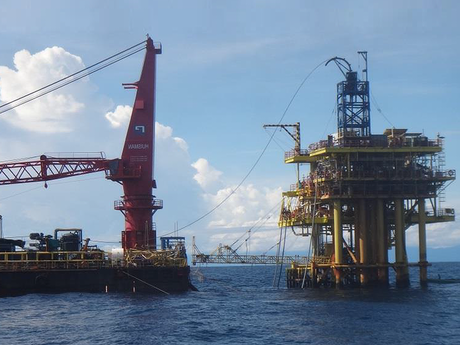
The floating production, storage, and offloading (FPSO) unit that will operate in the Sépia field will reduce emission intensity by 30%.
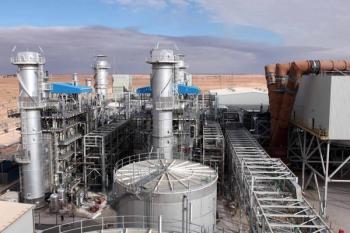
Baker Hughes and Tecnimont (MAIRE) will supply 20 compression trains to increase gas production at Algeria’s Hassi R’Mel gas field.
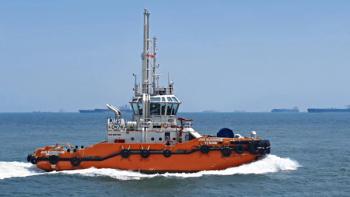
The JMS Sunshine, owned and operated by Seatrium, is equipped with two 16-cylinder mtu Series 4000M55RN gas engines and a gas regulating unit (GRU).
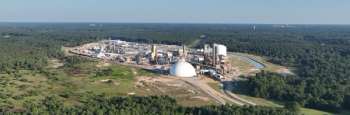
The ammonium nitrate solution will be sourced from LSB and Lapis Energy’s carbon sequestration project at the El Dorado ammonia production facility.
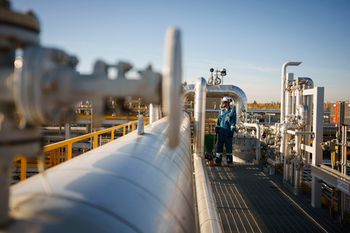
The project is designed to reduce greenhouse gas emissions by up to 40% compared to its current processes with the help of steam-assisted gravity drainage technology.
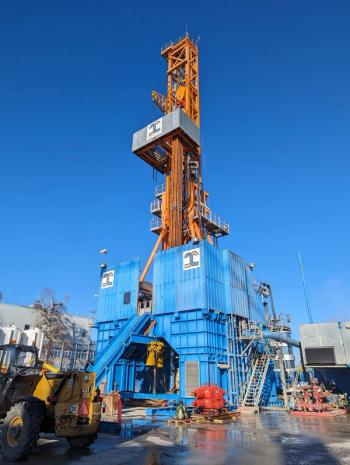
Technology designed to reduce carbon emissions is supporting the power generation industry’s move toward decarbonization.
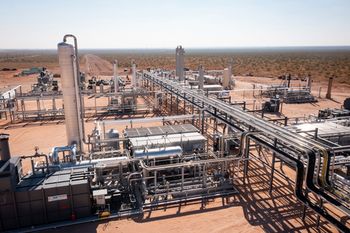
The new unit increased the facility’s capacity by about 50%. The company’s air permit from New Source Review (NSR) supports additional expansion projects.
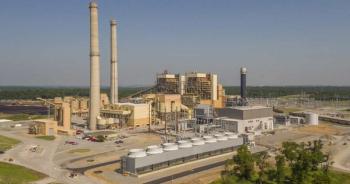
The project, co-led by Black & Veatch and the Grand River Dam Authority (GRDA), will install Unit 4 with Mitsubishi Power’s 426 MW J-class simple-cycle combustion turbine.
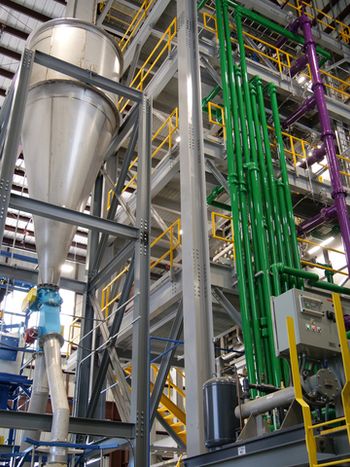
The direct air capture (DAC) installation will remove CO2 from the atmosphere in Oregon—the company’s DAC technology will also be supported by $50 million in Series B funding.
JERA aims to not just adapt to the evolving global energy landscape but to set the pace with its three-pillar growth strategy.
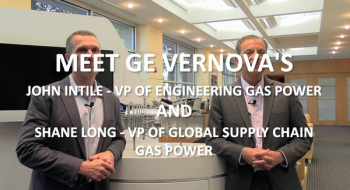
In Part 1 of this two-part video interview, GE Vernova's VP of Engineering Gas Power, John Intile, and Shane Long, VP of Global Supply Chain, discuss some of the top challenges of the energy transition.
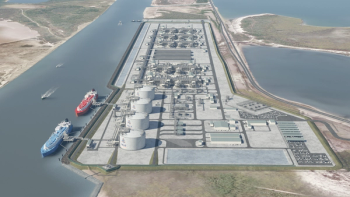
ADNOC acquired an 11.7% equity in Phase 1 of NextDecade’s Rio Grande LNG (RGLNG) project and entered a 20-year LNG offtake agreement from RGLNG Train 4.
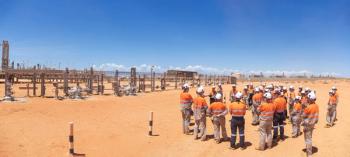
The number of carbon capture and storage (CCS) facilities in the pipeline is at an all-time high, with accelerating momentum for deployment and application across industries.
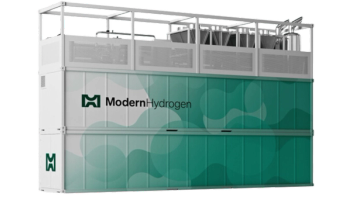
The project at NW Natural’s Central Portland facility uses methane pyrolysis technology to generate clean hydrogen and capture solid carbon.
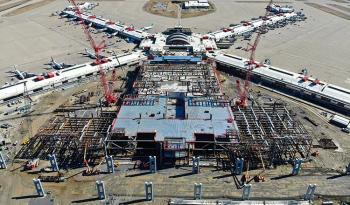
The facility will be constructed at the Pittsburgh International Airport (PIT) and can either produce hydrogen or sustainable aviation fuel (SAF) at scale.
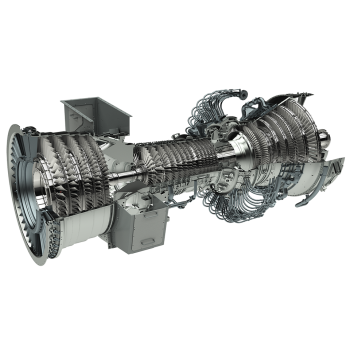
The Western Farmers Electric Cooperative (WFEC) ordered two GE Vernova aeroderivative LM6000VELOX packages to replace steam turbines at its Anadarko plant.