

In addition to Fast LNG’s Free Trade Agreement authorization from the Department of Energy (DOE), the asset can now export LNG to global customers and markets.
In addition to Fast LNG’s Free Trade Agreement authorization from the Department of Energy (DOE), the asset can now export LNG to global customers and markets.
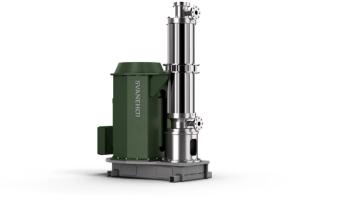
The high-pressure centrifugal pump is hermetically sealed and designed with a magnetic coupling that aids torque transmission from the motor.

The company will study and deploy advanced drilling, completion, and production technologies during future development phases at the Tahiti and Jack/St. Malo facilities.
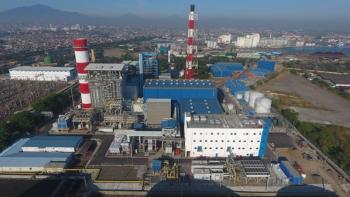
Using hydrogen-capable H-class technology, the power plant produces up to 60% fewer emissions than plants powered by diesel, coal, and other fossil fuels.
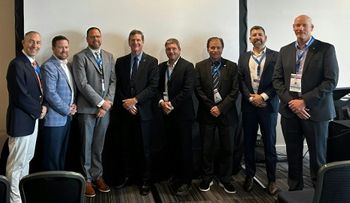
The theme of this year’s show was achievements and needs to unlock a net-zero future in propulsion and power.
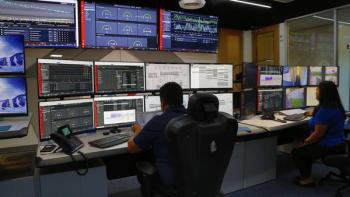
EthosEnergy employs 3,600 individuals across three subdivisions: optimized solutions, operations and maintenance, and aerospace and defense MRO.
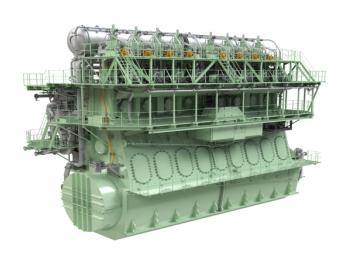
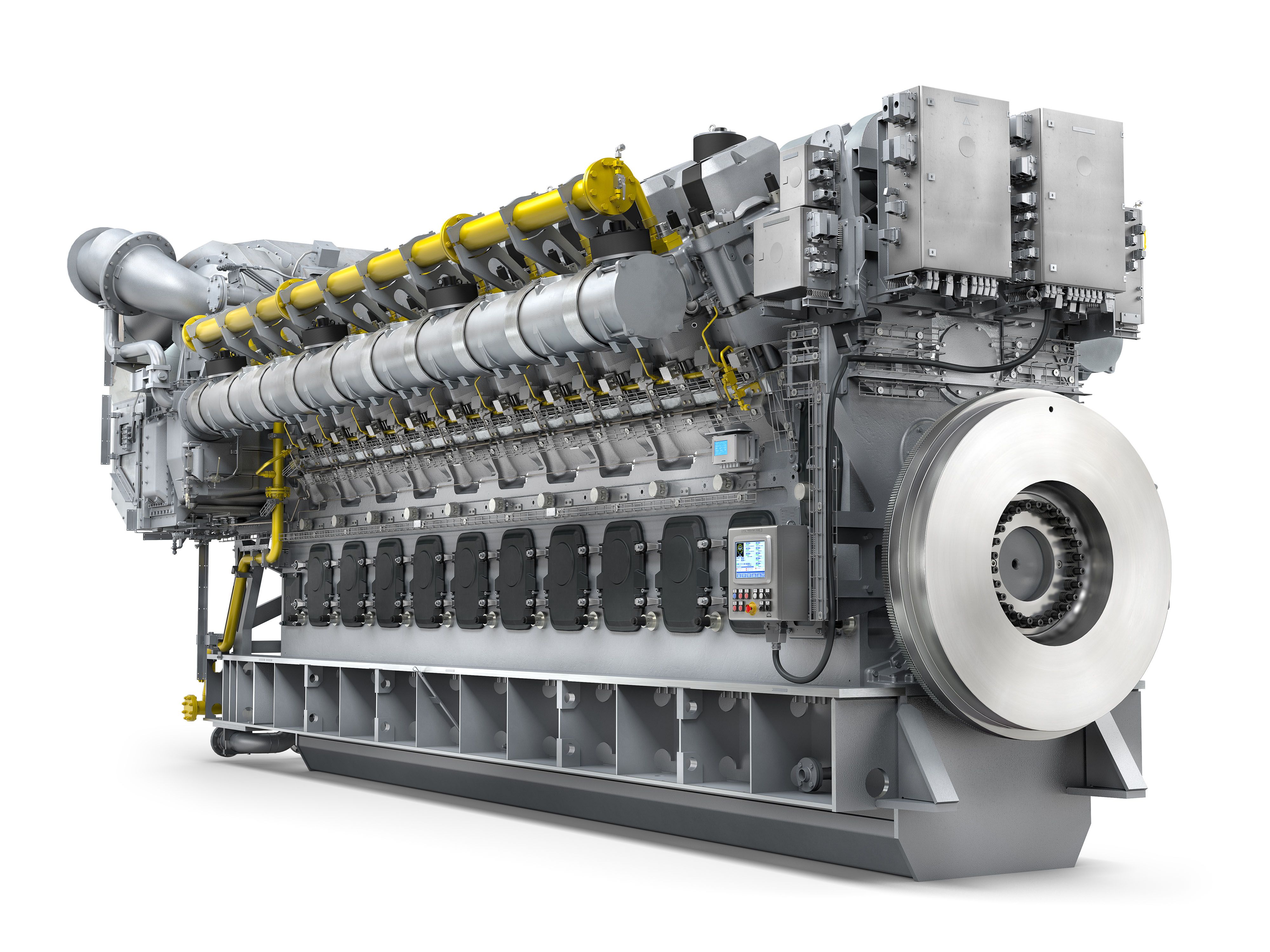
The ME-GI models are two-stroke propulsion engines operating on RoRo vessels, PCTCs, container vessels, bulk carriers, tankers, and LNG carriers.
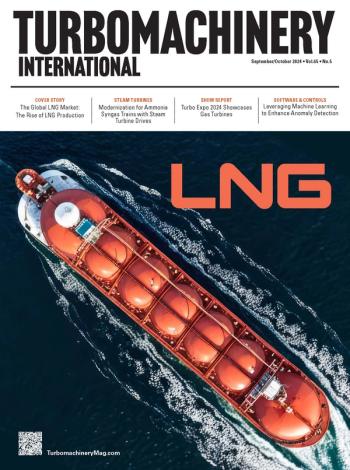
The September/October 2024 issue highlights the dynamic shifts in the global LNG market that are affecting exports, production, capacity growth, and more.
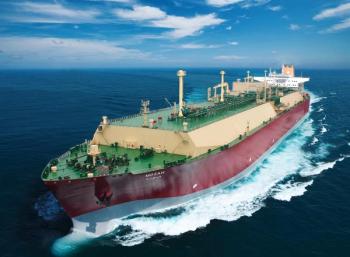
The agreement builds on a previous long-term LNG sale and purchase agreement (SPA), aiding bilateral trade between the states of Qatar and Kuwait.
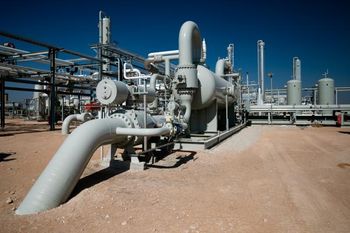
In addition to Piñon’s two acid gas injection wells in the Delaware Basin, Enterprise will evaluate a third location to support up to 750 MMcf/d in total treating capacity.

Supercritical CO2 (sCO2) may not have superpowers, but turbomachinery operators try to avoid working near the critical point at all costs.

Chevron will hold a 70% participating interest; Woodside Energy will hold a 30% stake; GS Caltex will potentially own a 5% interest upon regulatory approvals.
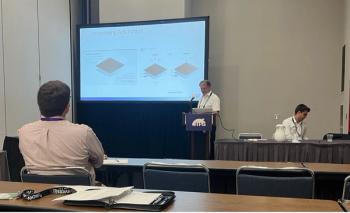
The industry recognizes two methods of decarbonization with gas turbines: low-carbon fuels and post-combustion carbon capture.
Anti-surge control systems prevent damage and improve turbomachinery performance by using controllers, valves, and transmitters to measure flow, pressure, and temperature.
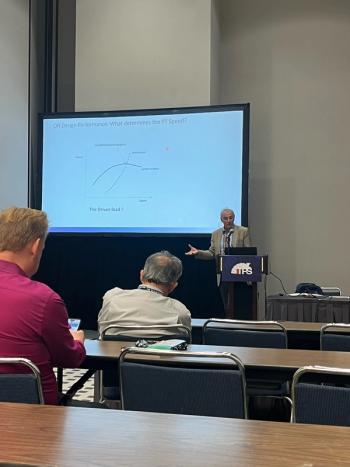
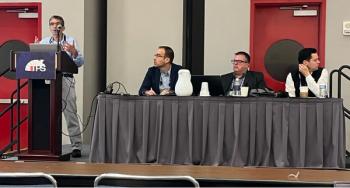
Session speakers offer an analysis of gas turbines, including their working principles, thermodynamics, condition monitoring and maintenance, and bottom-cycle performance.
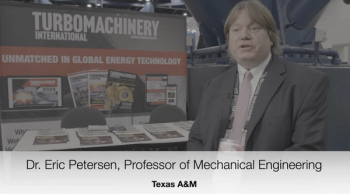
Dr. Eric Petersen of Texas A&M shares what the hot sessions and topics are at TPS 2024.

Fabio Zanetti de Souza of Compressor Controls Corp. shares how a compressor’s control system is a central contributor to increasing energy efficiency and reducing emissions.

Lukas Biyikli of Siemens Energy discusses carbon capture, including the role of gas turbines, removing CO2 from flue gas, and boosting CO2 concentration in exhaust gas.
Texas A&M’s TPS 2024 hosts a full house of rotating equipment engineers and technicians from more than 50 countries.
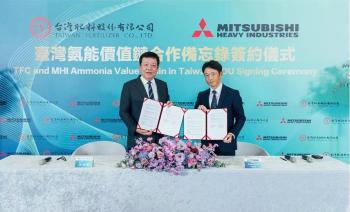
To support the 2050 carbon-neutrality plan, Taiwan Fertilizer Co. (TFC) will use blue and green ammonia as fuel in Taiwan.
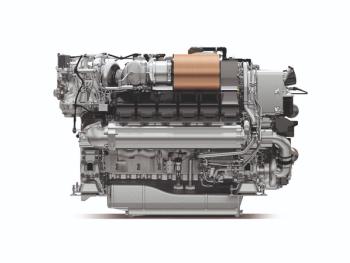
The two companies are expanding their joint venture, MTU Yuchai Power, which manufactures gas engines for emergency power supply across Asia, to include oil and gas.
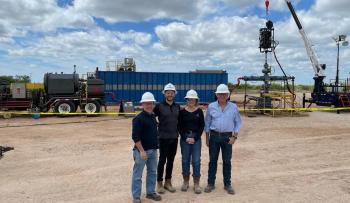
The geopressured geothermal system (GGS) facility will store energy for 6-to-10-hour durations with a round-trip efficiency (RTE) of 70-75% and water losses less than 2%.

The King Abdullah University of Science and Technology (KAUST) will conduct sustainability research, which includes hydrogen, carbon capture and storage, renewables, and more.
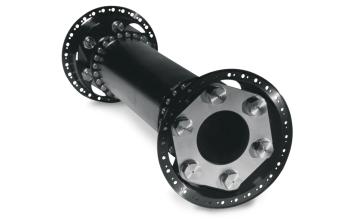
Regal Rexnord manufactures products for turbomachinery applications, including diaphragm and disc couplings.

The Anchor floating production unit (FPU) is an all-electric facility with electric motors and electronic controls to reduce carbon emissions.