
The studies targeted up to 32% by volume hydrogen blending with natural gas and identified modifications to the power generation assets, including exhaust gas recirculation to lower carbon-capture costs.
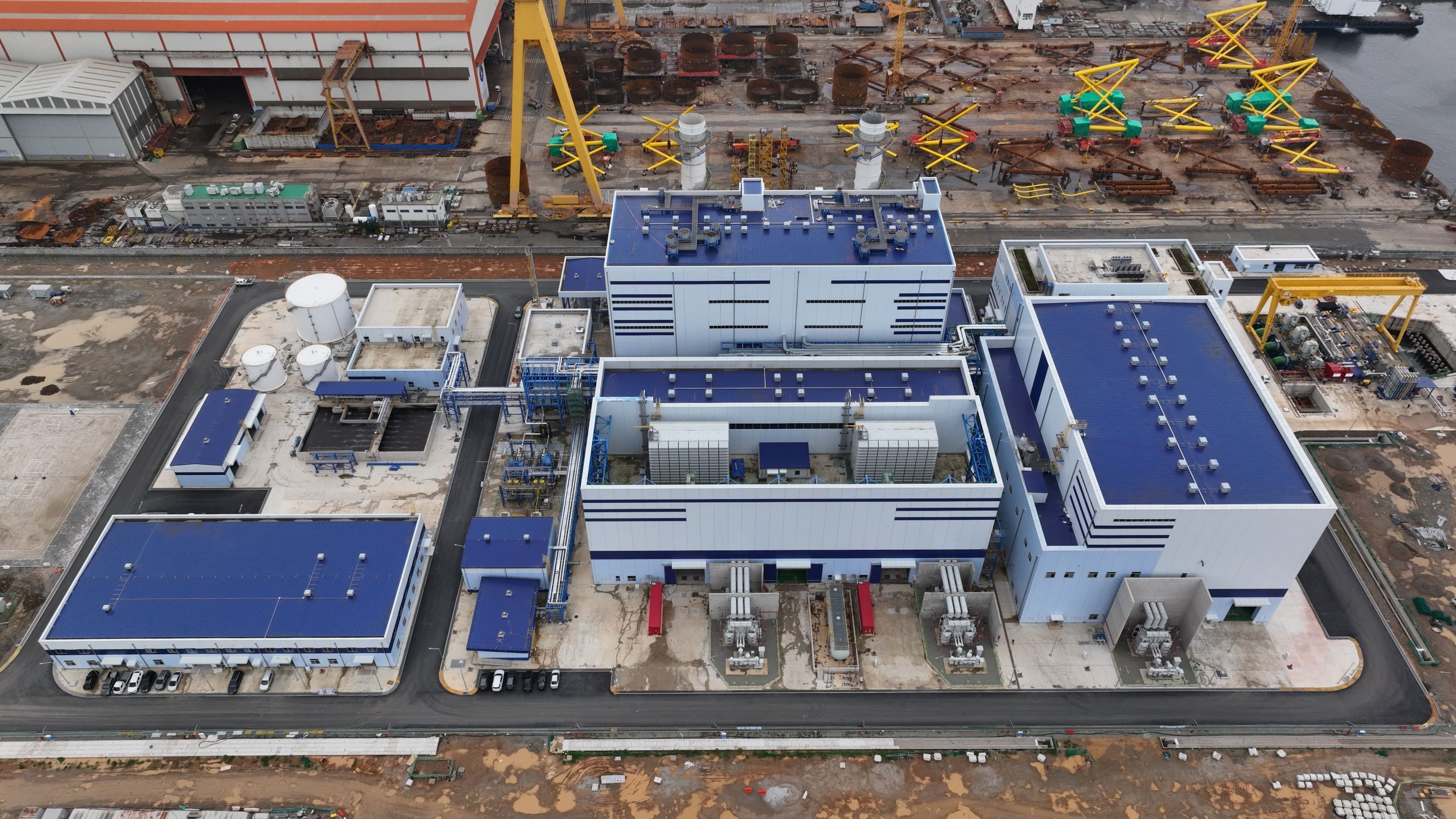
Tongyeong Plant Enters Operation with GE Vernova’s H-Class Equipment Package
The studies targeted up to 32% by volume hydrogen blending with natural gas and identified modifications to the power generation assets, including exhaust gas recirculation to lower carbon-capture costs.
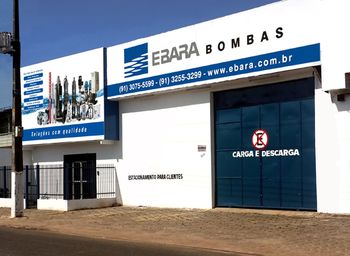
Ebara obtained an additional sales base in Uruguay, capitalizing on a growing South American market for pumps in the agricultural, construction, and industrial sectors.
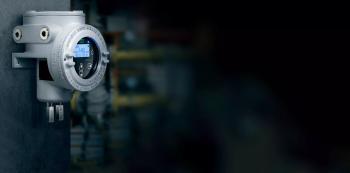
With Safety Integrity Level certification, the XMO2pro analyzer is explosion-proof, flame-proof, and weather-proof with a built-in compact display suitable for tight spaces.
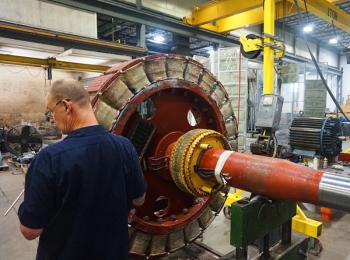
Investments include an additional horizontal boring mill, a commutator repair system, and expanding the Wyoming shop’s footprint with a new test stand and 40-ton crane.
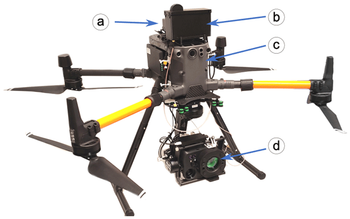
Leveraging data from its quantification, monitoring, reporting, and verification projects, Cheniere’s new methane target is 0.03% per ton of LNG produced at two liquefaction facilities.
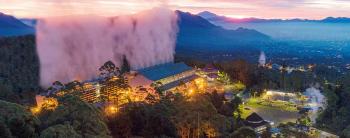
The company will upgrade the steam turbine and related equipment for Unit 3 at the Darajat Geothermal Power Plant in Java.
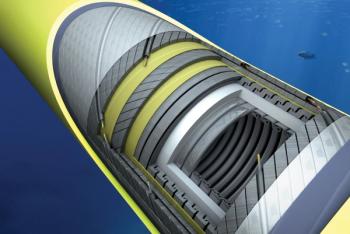
Petrobras signed contracts with Baker Hughes for risers and flowlines for hydrocarbon production and gas and water injection; and support for equipment storage, maintenance, and installation.
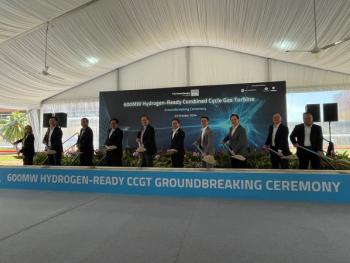
In addition to the hydrogen-capable 9HA.01 gas turbine, GE Vernova will supply an STF-A650 steam turbine, W88 generator, and heat recovery steam generator for the upcoming Singapore-based plant.
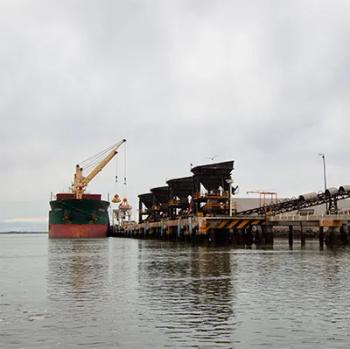
Mitsubishi Gas Chemical will receive ~1 mmtpa of methanol from the Mexican production facility, slated to open in 2028 producing green and blue methanol from natural gas with carbon capture.
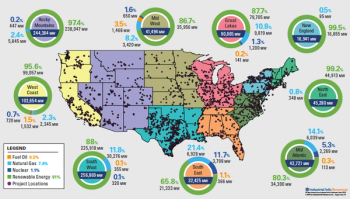
Presidential elections are typically important for the power industry, but few in recent memory stack up to the potential consequences of the 2024 election.
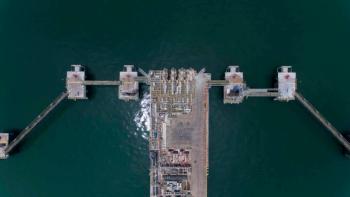
Peru LNG owns and operates the only LNG export facility in South America, consisting of a natural gas liquefaction plant, pipeline, storage tanks, and additional assets.
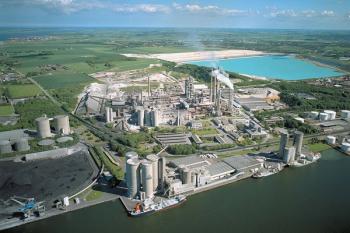
Supported by the European Innovation Fund (EIF), ACCSION will receive €220M and, using its Cryocap technology, will capture, purify, and liquefy approximately 95% of the CO2 emitted by the cement kilns at the Denmark plant.
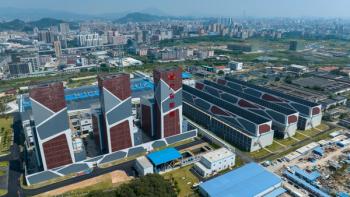
Powered by three 9HA.02 gas turbines, the plant will add 2.4 GW to the national grid, reduce fuel consumption and carbon emissions, and advance China’s coal-to-gas energy transition.
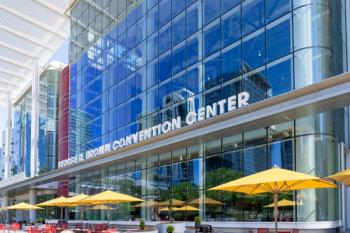
TPS 2024 tackled the latest challenges, solutions, and technologies in the turbomachinery industry.

Koch-Glitsch will deliver proprietary separation equipment for ION’s post-combustion carbon-capture projects, increasing performance while minimizing cost and physical footprint.
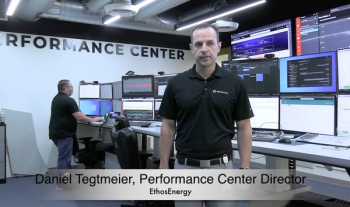
Daniel Tegtmeier of EthosEnergy shares how remote monitoring has grown over the past several years and the advantages and challenges of virtual capabilities.

The Gillis Treating Plant will treat off-spec natural gas with services such as CO2 amine treating, gas dehydration, CO2 compression, and related utility and power systems.
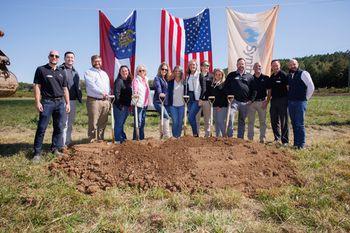
The plant’s anaerobic digestion technologies will generate renewable natural gas while removing thousands of tons of CO2 and methane from the atmosphere.
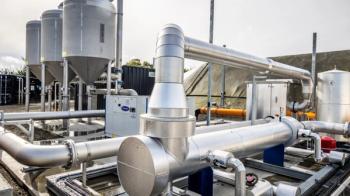
The plant will convert from cogeneration of heat and electricity to injecting biomethane into the local gas network in Belgium’s Flemish region.
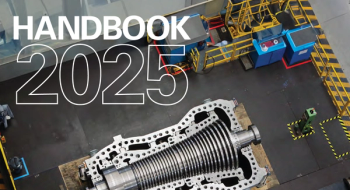
The 2025 Handbook includes a comprehensive outlook of the power industry and gas turbine market as well as an industry-wide directory and specifications listings.
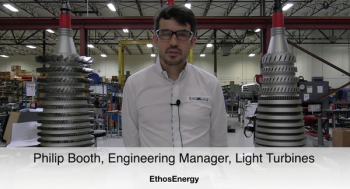
EthosEnergy’s Engineering Manager Philip Booth discusses available technology in reverse engineering for rotating equipment.
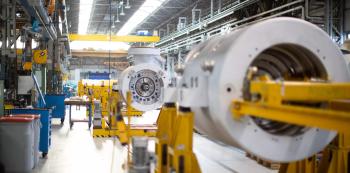
Baker Hughes won a contract to supply the deepwater development with its compressor technology to minimize emissions and eliminate routine flaring.
Baker Hughes and Repsol signed an agreement to develop AI capabilities to assist oil and gas operators with production and decarbonization.
Woodside Louisiana LNG, formerly the Driftwood LNG development opportunity, is an under-construction LNG production and export terminal with 27.6 MTPA permitted capacity.
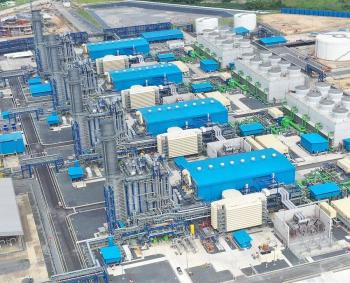
The final turbine’s construction marks the on-time completion of a project awarded in 2018, featuring two gas turbine combined-cycle (GTCC) plants in Chonburi and Rayong.