

The September/October 2024 issue highlights the dynamic shifts in the global LNG market that are affecting exports, production, capacity growth, and more.
The September/October 2024 issue highlights the dynamic shifts in the global LNG market that are affecting exports, production, capacity growth, and more.
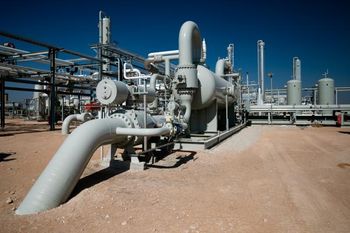
In addition to Piñon’s two acid gas injection wells in the Delaware Basin, Enterprise will evaluate a third location to support up to 750 MMcf/d in total treating capacity.

Chevron will hold a 70% participating interest; Woodside Energy will hold a 30% stake; GS Caltex will potentially own a 5% interest upon regulatory approvals.
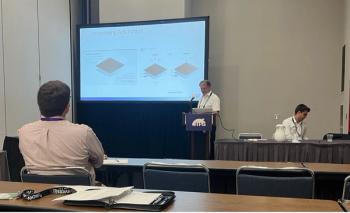
The industry recognizes two methods of decarbonization with gas turbines: low-carbon fuels and post-combustion carbon capture.
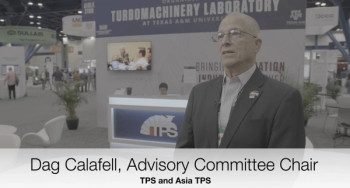
Dag Calafell of TPS talks plans for Asia TPS and the new wing of the Turbomachinery Lab at Texas A&M and its shift in focus from components to systems.
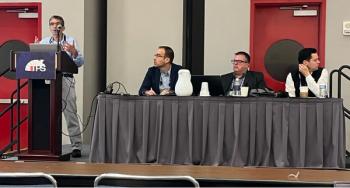
Anti-surge control systems prevent damage and improve turbomachinery performance by using controllers, valves, and transmitters to measure flow, pressure, and temperature.
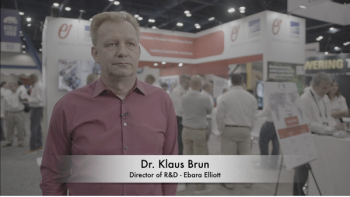
At TPS 2024, Klaus Brun of Ebara Elliott addresses the company’s rebranding, prominent industry challenges, and upcoming products for sustainability and green energy.
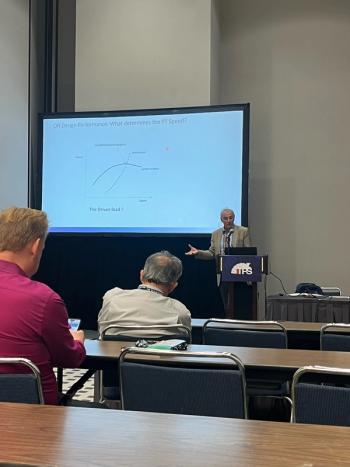
Session speakers offer an analysis of gas turbines, including their working principles, thermodynamics, condition monitoring and maintenance, and bottom-cycle performance.

Fabio Zanetti de Souza of Compressor Controls Corp. shares how a compressor’s control system is a central contributor to increasing energy efficiency and reducing emissions.

A steam turbine’s control system should ensure stable operation throughout each phase: start-up, shutdown, and parallel operation.
Texas A&M’s TPS 2024 hosts a full house of rotating equipment engineers and technicians from more than 50 countries.
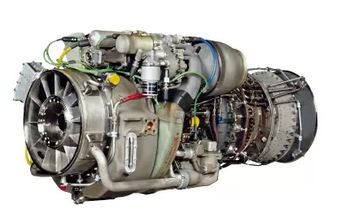
The Polish Ministry of National Defense will obtain a full engine depot and engine training capabilities, ensuring supply security for platforms using T700/CT7 engines.
Federal investment allows manufacturers to produce additional residential heat pumps, residential heat pump water heaters, school heat pumps, and heat pump compressors.
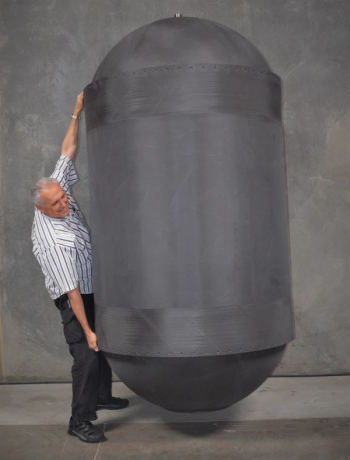
The composite tubing can reduce the chill-down time, hydrogen boil-off, and the dry mass of cryogenic fluid transfer lines.

The King Abdullah University of Science and Technology (KAUST) will conduct sustainability research, which includes hydrogen, carbon capture and storage, renewables, and more.
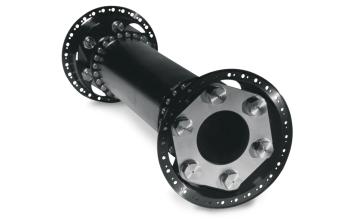
Regal Rexnord manufactures products for turbomachinery applications, including diaphragm and disc couplings.

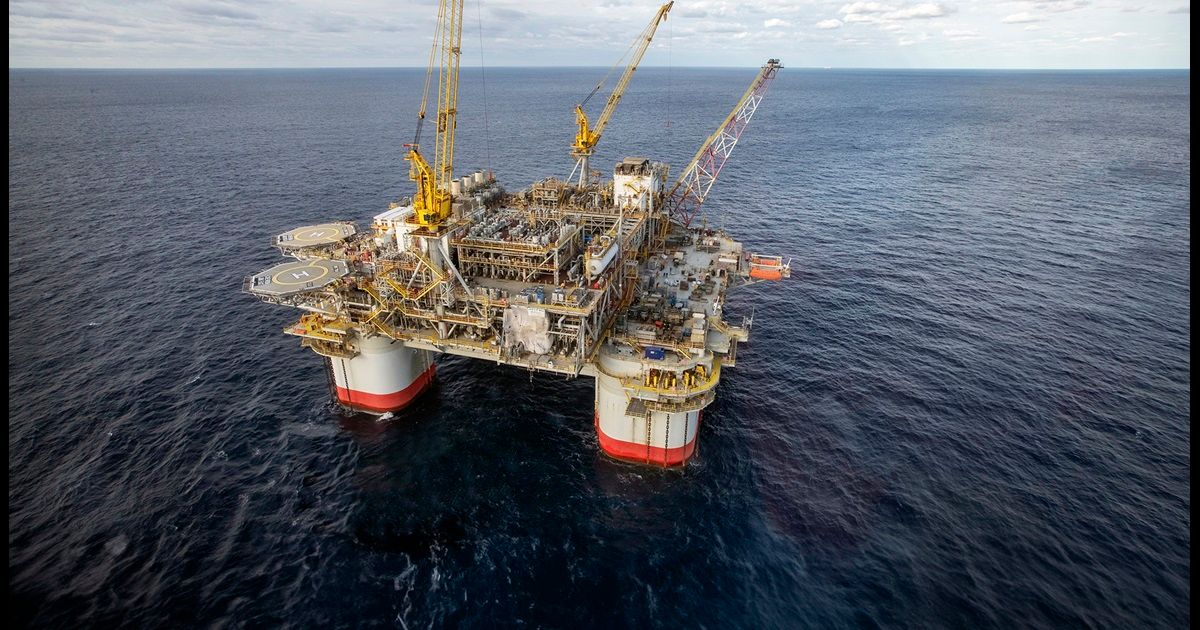
The Anchor floating production unit (FPU) is an all-electric facility with electric motors and electronic controls to reduce carbon emissions.

During this episode, the Myth Busters break down the many terms associated with degradation, what components degrade, how it can be measured and minimized, and more.
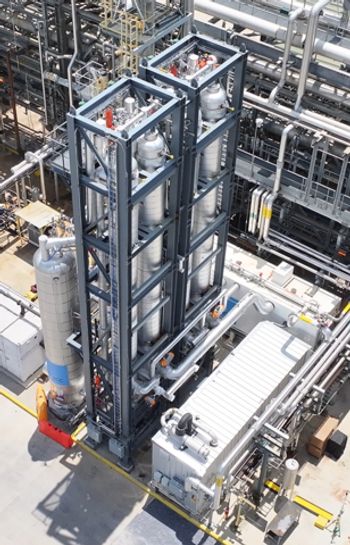
During testing at the National Carbon Capture Center (NCCC), FrostCC successfully captured CO2 and co-pollutants from flue gas.
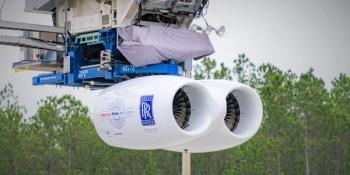
Test data from NASA’s Stennis Space Center informs the production configuration of the F130 engine’s Critical Design Review (CDR), scheduled for fall 2024.
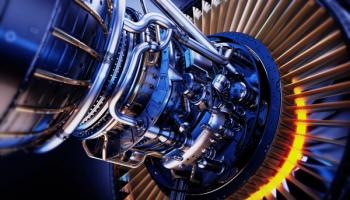
A proper turbine-oil lifecycle management strategy ensures a varnish-free lubricating system.

The Turkish Naval Forces, as part of its MILGEM project, will install LM2500 engines on its Ada-, Barbaros-, and Gabya-class frigates and corvettes.
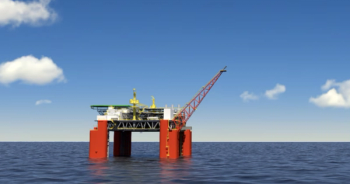
Existing platform and subsea equipment designs will drive cost efficiencies across the Kaskida hub’s construction, commissioning, and operations.
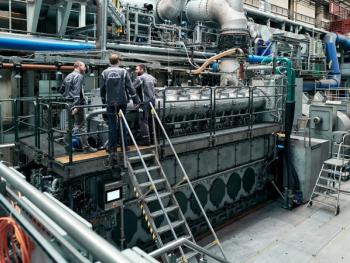
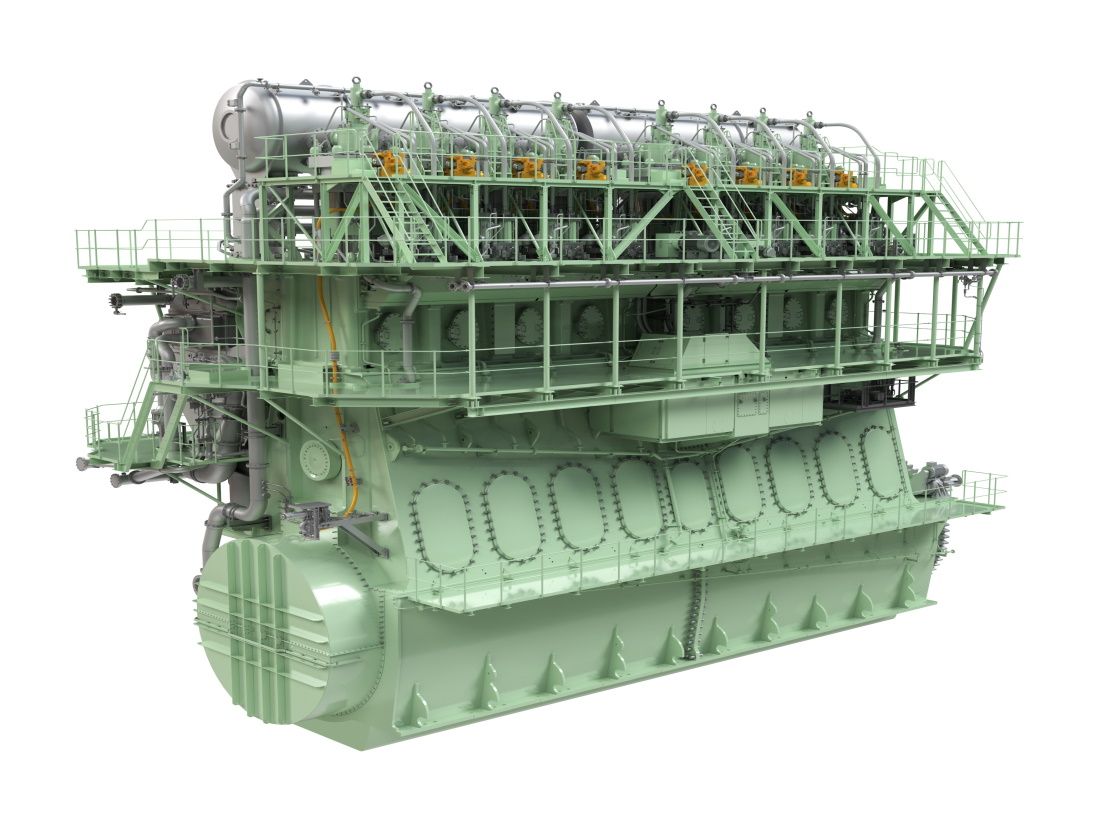
In addition to the dual-fuel methanol upgrade, the engines will achieve higher efficiency during diesel operation and feature control and safety systems.

Hydropower’s continued use as a renewable energy source requires complex hydro turbines and other rotating machines to electrify many regions worldwide.